
Lieferung heute & morgen

Qualitätsgarantie

Willkommens-Angebote freischalten: KOSTENLOSE Lieferung | Bis zu 80 % RABATT | Kostenlose 30-Tage-JoyPlus-Testphase
App herunterladen
Snack rings, often referred to as savory rings, are a specific category of savory snacks distinguished by their uniform ring shape. Unlike classic potato chips, which are made from sliced potatoes, snack rings are typically formed from a dough of various flours or powders and then baked or fried. This production method allows for a wide variety of textures and flavor profiles, depending on the base ingredient and seasoning.
The selection of ring-shaped snacks is extensive, ranging from classic European products to international specialties. This article provides an objective overview of the relevant selection criteria and presents a selection of different products to help you make an informed purchasing decision.
Snack rings can be evaluated based on several objective criteria. These parameters directly influence the product's texture, taste, and potential use.
The foundation of the snack is crucial for its mouthfeel and fundamental flavor.
The cooking method has a direct impact on the fat content and crispiness.
The seasoning defines the final character of the snack.
The net weight is a practical factor that should be matched to the intended use. Smaller bags (approx. 75–90 g) are suitable for individual snacking, while larger packages (300 g and up) are designed for parties or for stocking up.
Based on the criteria above, here is an analysis of three different products from the snack ring segment.
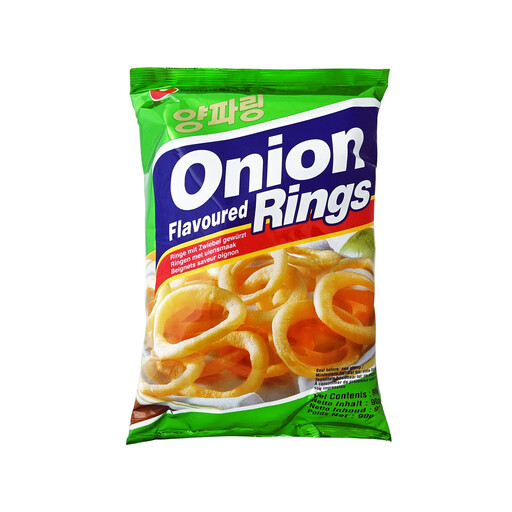
Why we're analyzing this product: These onion ring snacks from the Korean manufacturer Nongshim are based on wheat flour and contain 15% onion powder, according to the manufacturer. This suggests an intense and authentic onion flavor that goes beyond simple artificial flavoring.
Pros:
Who it's for:
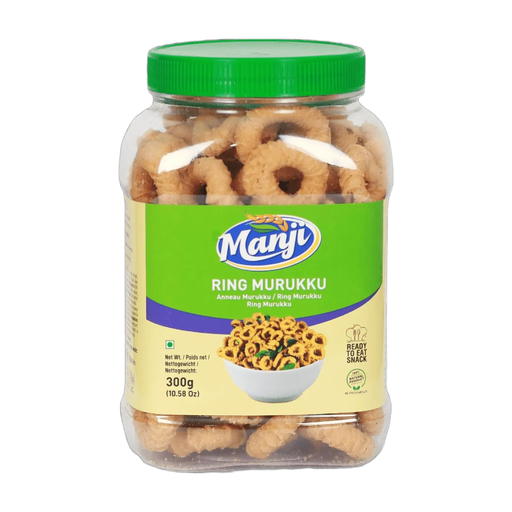
Why we're analyzing this product: Murukku is a traditional South Indian snack that is fundamentally different from European savory rings. The recipe is based on rice and chickpea flour and is enhanced with spices like cumin and sesame seeds. This creates a completely unique product profile.
Pros:
Who it's for:
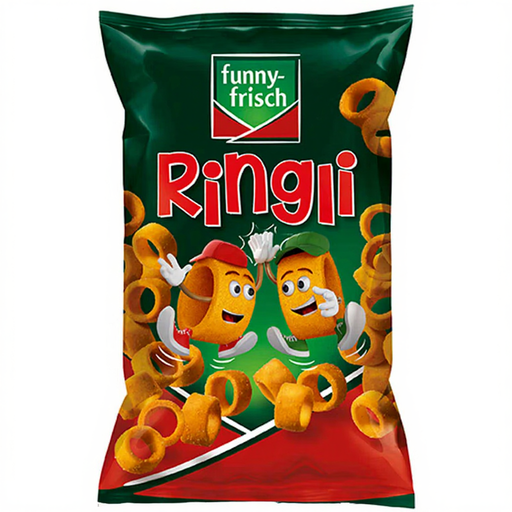
Why we're analyzing this product: The Ringli product from Funny-frisch is an established classic among paprika-flavored rings in the German market. According to the manufacturer, the base consists of 42% potato powder, which promises a characteristically light and airy consistency.
Pros:
Who it's for:
While this analysis focuses on savory snack rings, the ring shape is also common in the sweet snack and pastry segment. For consumers interested in sweet alternatives, a separate assortment exists. You can find a selection of corresponding products in the sweet rings category.
The primary difference lies in the manufacturing process and ingredients. Classic potato chips are made from thinly sliced, whole potatoes. Onion ring snacks, on the other hand, are formed from a dough, typically based on wheat or corn flour, and seasoned with onion powder. This results in a more uniform shape and a different, often lighter texture.
The spiciness level of Murukku can vary depending on the manufacturer and recipe. The Manji Ring Murukku featured here is described as savory, which suggests a mild to moderate heat from the spices used. It is generally not comparable to extremely spicy snacks but offers a noticeably more savory profile than classic paprika-flavored chips.
For parties, products with a universally popular flavor profile and in a larger package size are advantageous. The Funny-frisch Ringli with paprika flavor are a safe bet, as they appeal to a broad audience. For an internationally-themed party or to expand the snack selection, the Manji Ring Murukku in the 300g package can be an interesting addition.