
Lieferung heute & morgen

Qualitätsgarantie

Willkommens-Angebote freischalten: KOSTENLOSE Lieferung | Bis zu 80 % RABATT | Kostenlose 30-Tage-JoyPlus-Testphase
App herunterladen
Roasted nuts and seeds are a staple in many pantries—whether as a protein-rich snack, a crunchy topping for salads, or for social gatherings. But buying them isn't always straightforward. Packaging often promises more than the contents deliver, and low-quality products can spoil the experience. As your Joybuy Product Recommendation Officer, I'm here to help you separate the wheat from the chaff and find products that live up to their claims.
Before you buy healthy snacks again, you should be aware of these three common problems to avoid disappointment and unnecessary expense.
To ensure you're getting a high-quality product, check these three objective features before you buy.
A look at the back of the package is essential. A short and understandable ingredient list is usually a good sign. Ideally, it consists only of the nuts or seeds themselves and, if applicable, salt. For products roasted in oil, the type of oil is relevant—sunflower or rapeseed oil are common. Be sceptical of products with added sugar, flavourings, or a long list of E-numbers if you're looking for a snack that's as natural as possible. High-quality protein-rich snacks generally don't need artificial additives.
There are two basic roasting methods: dry roasting without additional fat, and roasting in oil. Dry-roasted nuts often have a more intense, purer flavour. The salt content is also an important factor. Products labelled roasted and salted nuts can vary greatly in their salt content. A look at the nutritional information per 100g helps you keep track and make a conscious choice.
Especially with nut mixes, the percentage declaration of individual ingredients (Quantitative Ingredient Declaration) is revealing. This legally required information tells you the actual proportion of expensive nuts compared to cheaper fillers. This makes it easy to see if the value for money is right and you're not primarily paying for peanuts.
Here are some recommendations tailored to different needs and occasions.
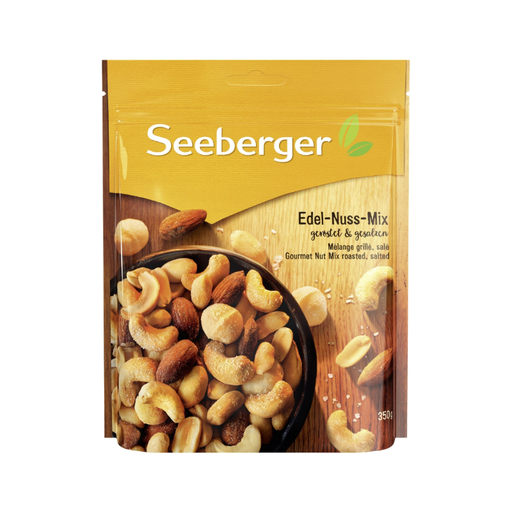
Why this product is a great fit: This mix is ideal for parties or casual get-togethers. It offers a diverse selection that appeals to different tastes—from smoky almonds and buttery macadamia nuts to classic cashews and peanuts.
It sidesteps the "misleading mix ratios" trap with a high-quality composition. The quantitative declaration (80% nut mix, 20% smoked almonds) reveals a thoughtful blend that goes beyond a simple peanut mix.
The combination of four different types of nuts, including the specially seasoned smoked almonds, provides a complex flavour experience.

Why this product is a great fit: Anyone looking for **cashews online** who values pure flavour and nutritional benefits will find their match here. Ideal as a high-protein snack after a workout, an ingredient in muesli, or simply for guilt-free snacking.
This product is the direct answer to the "hidden additives" trap. The ingredient list consists of a single item: roasted cashew kernels. No salt, no oil, no sugar.
The gentle, oil-free roasting process intensifies the mild, slightly sweet aroma of the cashews. The protein content is 20g per 100g.
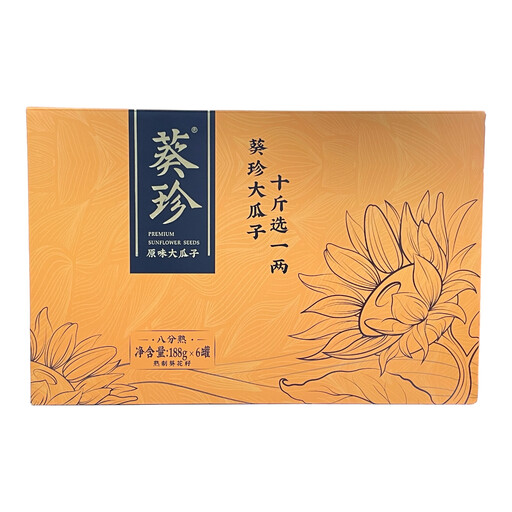
Why this product is a great fit: For anyone looking for a change from almonds and the like. These **roasted sunflower seeds** from the well-known brand ChaCha offer an authentic Asian snacking experience. The elegant gift box also makes them a special gift.
Addresses the "questionable roasting" problem with a specific process. The "80% roasted" claim is not an empty phrase but describes a technique designed to maximally preserve the natural aroma and ensure a full, easy-to-crack kernel.
Selected large sunflower seeds with a pure and savoury flavour and very low salt content (0.02g per 100g). The 6-pack in the gift box is practical for sharing.
We have compiled a complete, up-to-date list of products that fully meet these strict selection criteria and local regulations.
Fresh roasted nuts should have a crisp texture and a pleasant, nutty aroma. A soft or chewy consistency (for nuts that should be crunchy) and a musty, paint-like, or sour smell are clear signs that they have gone rancid. Always check the best-before date and store opened packages in an airtight container.
The roasting process can slightly alter the nutritional profile, but the main difference lies in the additives. Roasted and salted nuts contain extra sodium, which should be consumed in moderation. Nuts roasted in oil also have a higher fat and calorie content than dry-roasted or raw versions. If the focus is purely on nutritional value, unsalted, dry-roasted or raw nuts are a great choice.
To maintain freshness and prevent them from going rancid, you should store opened snacking nuts in an airtight container in a cool, dark, and dry place. A pantry or kitchen cupboard is ideal. For longer shelf life, especially in warm temperatures, they can also be stored in the refrigerator.