
Lieferung heute & morgen

Qualitätsgarantie

Willkommens-Angebote freischalten: KOSTENLOSE Lieferung | Bis zu 80 % RABATT | Kostenlose 30-Tage-JoyPlus-Testphase
App herunterladen
Roasted sunflower seeds are more than just a snack; they're a cultural staple and a beloved pastime. However, when shopping in the UK, you're often faced with a dizzying array of choices, making it difficult to distinguish authentic quality from overly sweetened or inferior products. This guide will help you navigate the common pitfalls and find the right roasted sunflower seeds for your taste.
Before you pick a bag, you should be aware of three common issues that often lead to a disappointing snacking experience.
To avoid these problems, you should check three core parameters. These will help you objectively assess quality and make an informed decision the next time you're buying Asian snacks.
The origin of the sunflower seeds is an often-overlooked quality indicator. Certain growing regions, such as Inner Mongolia, are known for their large-kernel varieties with relatively thin shells. Brands that are transparent about their raw material source, like Sanpangdan, often signal a higher commitment to quality. Look for product descriptions that include phrases like "selected large kernels," as this indicates meticulous sorting.
The preparation method largely determines the texture and flavour. Classic salted sunflower seeds are typically dry-roasted and then seasoned. Some brands, such as ChaCha Sunflower Seeds, use a process where the seeds are first boiled and then roasted. According to the manufacturer, this ensures deeper flavour penetration and clean fingers while snacking.
With flavoured sunflower seeds, the composition of the seasoning blend is crucial. Authentic Asian varieties often use traditional blends like five-spice powder, while others focus on sweet notes such as caramel, honey butter, or coconut. A look at the ingredient list will tell you whether natural spices or artificial flavourings are used.
A short and clear ingredient list is usually a good sign. Check the nutrition table, especially the salt (sodium) and sugar content per 100 grams. Products with no added sugar or salt offer the purest kernel flavour and are a great choice for health-conscious consumers. If sweeteners are used, they must be listed in the ingredients. This allows you to make a conscious choice that fits your dietary habits.
Based on the criteria above, we have compiled a selection of products suitable for different preferences and requirements.
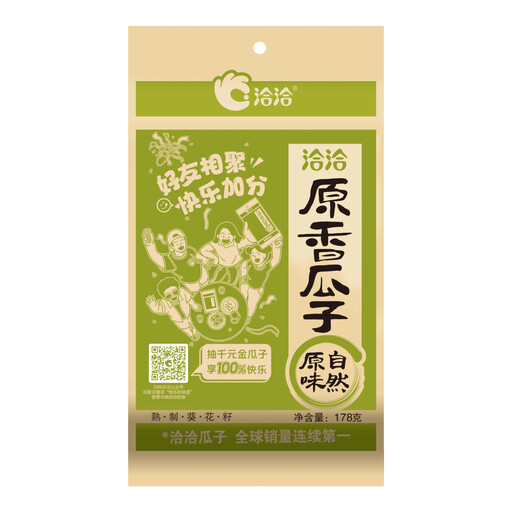
Why This Fits Their Persona: Ideal for those who seek the authentic, classic roasted and lightly salted flavour of sunflower seeds. A familiar snack without any flavour experiments.
This product avoids the trap of misleading flavours by focusing on the pure, original roasted taste. The ingredient list is short and clear: sunflower seeds and salt.
Consistent quality from an established brand. According to the manufacturer, the sunflower seed content is ≥95%, which indicates full, crunchy kernels.

Why This Fits Their Persona: Perfect for snack lovers looking for a change from the classic salted flavour who appreciate a sweet-and-salty, tropical note.
Instead of a vague sweetness, this product offers a distinct coconut flavour, which is backed up by coconut powder in the ingredient list. The seasoning is present but not overpowering.
A successful combination of sweet and salty. The 200g bag is great for sharing at social gatherings.
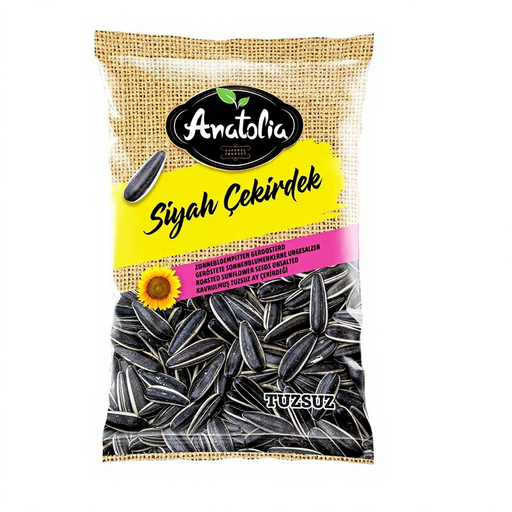
Why This Fits Their Persona: For anyone who wants to watch their salt intake and enjoy the pure, nutty flavour of roasted sunflower seeds without any additives.
This product consistently avoids the trap of hidden additives and high salt content. The ingredient list consists of just one item: sunflower seeds. Maximum transparency.
No added salt. Versatile, not just as a snack but also as a topping for salads or muesli.
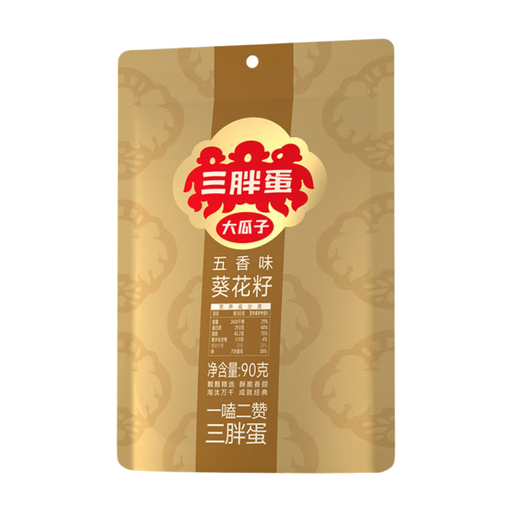
Why This Fits Their Persona: For connoisseurs who appreciate the authentic, complex flavour of the traditional Chinese five-spice blend (star anise, pepper, cinnamon, fennel, clove).
This product offers a specific, traditional flavour profile instead of a vague "savoury" note. The ingredient list explicitly names the spices used.
Uses large kernels from Inner Mongolia, according to the manufacturer, which speaks to its high quality. The salt content is moderate and supports the spice aromas.
Beyond the classic varieties, there are also more unique flavours to discover. Explore our selection for other exciting variations.
1. What's the easiest way to open sunflower seeds in the shell? The most common method is to place the seed vertically between your incisors and bite down gently until the shell cracks. You can then use your tongue and fingers to free the kernel from the shell. Alternatively, you can use your fingernails to break the shell open along its seam. It takes a little practice, but it quickly becomes second nature.
2. Are flavoured roasted sunflower seeds less healthy? That depends on the specific ingredients. Flavoured varieties often contain more salt, sugar, or sweeteners than the plain, roasted version. A look at the nutrition table per 100g will provide clarity. If you're following a health-conscious diet, unsalted or lightly salted sunflower seeds in the shell are the better choice. Flavoured varieties are best considered an occasional treat.
3. How can I tell if packaged sunflower seeds are fresh? Check the best-before date on the packaging. Once opened, the kernels should be crunchy and have a fresh, nutty aroma. A rancid or musty smell indicates that the fats in the kernels have oxidised and the product is no longer fresh. Always store opened packages in an airtight container in a cool, dry place to maintain freshness.