
Lieferung heute & morgen

Qualitätsgarantie

Willkommens-Angebote freischalten: KOSTENLOSE Lieferung | Bis zu 80 % RABATT | Kostenlose 30-Tage-JoyPlus-Testphase
App herunterladen
A Roborock robot vacuum with mopping function can make daily floor care easier, but it won't automatically replace every manual clean. There are significant differences between a basic robot vacuum with mopping function and a model with an auto-empty dock, automatic mop washing and intelligent obstacle detection. What really matters isn't just the printed suction power, but the combination of navigation, brush design, dock and app features.
The suction power in Pascals describes the negative pressure stated by the manufacturer. A robot vacuum with 18,500 Pa may look impressive on paper, but brush shape, airflow, filter condition and distance from the floor all affect the result. For pet hair, the right brush design is just as important as the raw number.
Many devices simply drag a damp cloth across the floor. That's a far cry from a system with a liftable mop, adjustable water flow, automatic mop washing and drying. Before you buy, you need to decide whether you just want occasional damp mopping or you want to minimise the cleaning effort as much as possible.
A robot vacuum with auto-empty dock empties its dustbin automatically. But with docks that also wash the mop, you've got fresh water, dirty water, mop pads and possibly a dust bag to think about. Water tanks need regular checking, and the dock must be cleaned according to the manufacturer's instructions. Automation reduces the work, but it doesn't eliminate it entirely.
A robot vacuum with LiDAR navigation uses laser measurements to create a map of your room and can plan cleaning routes systematically. Multiple map levels, virtual no-go zones and room-specific cleaning schedules are all practical features. Additional intelligent obstacle detection can take cables, furniture or smaller objects into account. Even so, you should still remove loose cables, toys and fragile items before starting.
Pet owners should look for an anti-tangle system. Models with main and side brushes that actively guide hair away or reduce tangling can limit the manual cleaning effort. However, the name alone isn't proof that no maintenance is needed. Brushes, wheels and filters still need regular checking.
For homes with hard floors and carpets, a liftable mopping system and flexible app configuration make sense. This way, the robot can vacuum carpets and mop in specific areas. With a dock that offers automatic mop washing, check whether it just rinses with water or uses hot water mop washing as well. The Roborock Qrevo Edge and Qrevo Curv S5X are stated to wash the mop at up to 75 °C.
The footprint matters too: a docking station needs a level, hard surface, a power socket and enough space to drive on and off. Dimensions and weight can vary significantly between models.
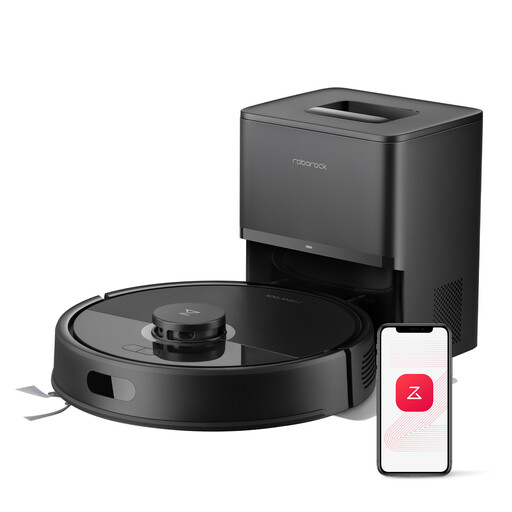
Why this product fits the profile: This model combines 8,000 Pa suction power, LiDAR navigation, app control and automatic dust emptying. It's ideal for households that want key comfort features without needing a dock with mop washing.
The LiDAR mapping is clearly stated, and the auto-empty dock isn't confused with full mop care.
8,000 Pa, Dual Anti-Tangle, LiDAR navigation and automatic dust emptying.
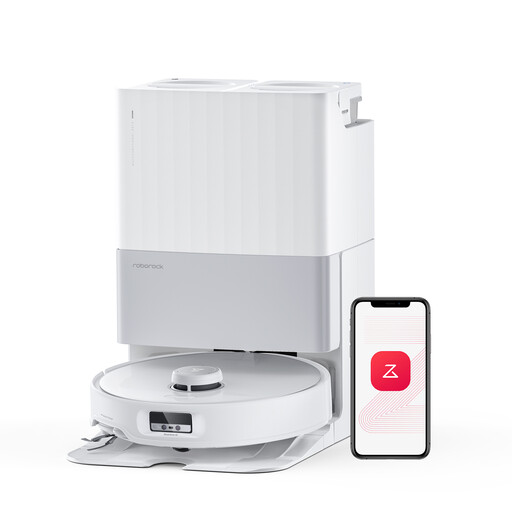
Why this product fits the profile: This device is designed for a high level of automation, combining 18,500 Pa, Dual Anti-Tangle, edge cleaning and a dock with dust collection and mop washing.
Suction power, mop washing and edge cleaning are listed as separate features, making it easier to match against your own needs.
18,500 Pa, 75 °C mop washing, automatic dust collection and FlexiArm edge cleaning.
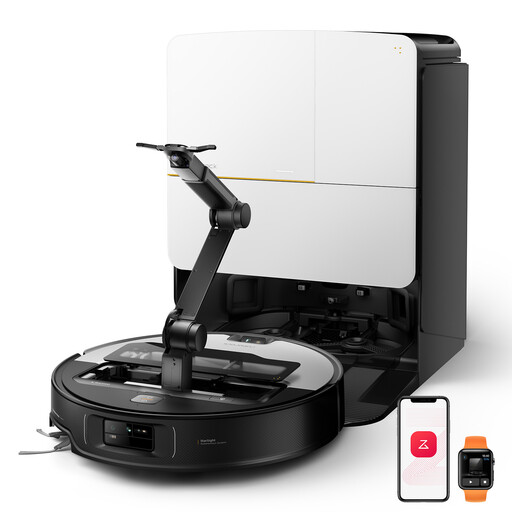
Why this product fits the profile: The Saros Z70 is aimed at users who want an exceptionally comprehensive feature set with 22,000 Pa, a slim body, OmniGrip Arm and hot water mop washing plus drying.
The selection is based on specific build and dock features, not just the "AI" label or a single suction power figure.
22,000 Pa, 7.98 cm body height, OmniGrip Arm and hot water mop washing and drying.
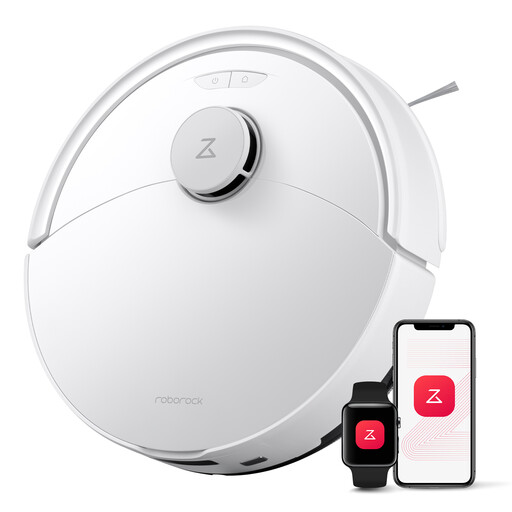
Why this product fits the profile: 10,000 Pa, Dual Anti-Tangle, JawScrapers brush, liftable mopping system and LiDAR navigation are all designed for regular cleaning of hard floors and carpets.
This model explicitly states anti-tangle and carpet use features; at the same time, regular brush maintenance is still required.
10,000 Pa, PreciSense LiDAR, three water flow levels and automatic mop lifting.
Beyond the purchase price, there are ongoing costs for dust bags, filters, mop pads and possibly cleaning solution. With a dock that offers automatic dust emptying, check how big the bag is and whether replacement parts are available. The app can manage cleaning schedules, no-go zones, multiple map levels and child lock. For consistent performance, keep filters dry when fitting them, clean sensors carefully and maintain mops after use.
We've put together a full, regularly updated list of products that fully meet these strict selection criteria and the safety regulations in force in the EU.
Models with anti-tangle, a liftable mopping unit and carpet detection are designed to combine hard floors and carpets in one cleaning schedule. If there's a lot of shedding, you should empty the dustbin more often and check the main brush.
That depends on usage, floor area and how dirty things get. Check the fresh and dirty water tanks according to the app's instructions. Mop pads, the washing tray and filters need regular care, even if the dock handles washing and drying automatically.
An auto-empty dock saves time on manual emptying, but it does create costs for dust bags and replacement parts. Whether the extra expense is worth it depends on your floor space, cleaning frequency and the amount of dust or hair. For working people and households with pets, the reduced daily maintenance can be a deciding factor.