
Lieferung heute & morgen

Qualitätsgarantie

Willkommens-Angebote freischalten: KOSTENLOSE Lieferung | Bis zu 80 % RABATT | Kostenlose 30-Tage-JoyPlus-Testphase
App herunterladen
The automation of floor cleaning has made significant strides in recent years. Models that not only vacuum but also mop and then self-maintain at a docking station offer incredible everyday convenience. For tech-savvy households, working couples, families, and pet owners, the key question is often which device best meets their specific needs.
This guide is here to help. It highlights the crucial features of modern combo devices and presents a selection of top models for 2026, providing you with a solid basis for making an informed decision.
Selecting the right model depends on several technical factors that should be tailored to your specific living conditions.
A robot's ability to move systematically and efficiently through rooms is fundamental. Modern devices predominantly use Laser Navigation (LiDAR) to create precise maps of your home and plan optimal cleaning routes. This ensures complete coverage.
An equally important aspect is the robot vacuum's obstacle avoidance capabilities. Advanced systems, often described as 3D or AI-powered detection, use cameras and sensors to identify and navigate around even low-profile objects like cables, shoes, or toys in real-time. This minimises the risk of the robot getting stuck or damaging items.
Cleaning effectiveness is determined by the combination of suction power, brush system, and mopping function.
Another key feature is a robot vacuum with carpet detection. The device automatically identifies carpets, lifts its mop pads, and increases suction power to ensure optimal cleaning without getting the carpet wet.
For pet owners, a robot vacuum designed for pet hair is a worthwhile investment. High suction power and a specially designed main brush are crucial. Anti-tangle technology significantly reduces maintenance by preventing long hairs from wrapping around the brush roll. An effective filtration system is also important for removing allergens from the air.
Based on the criteria above, we've compiled a selection of devices that cater to different needs.
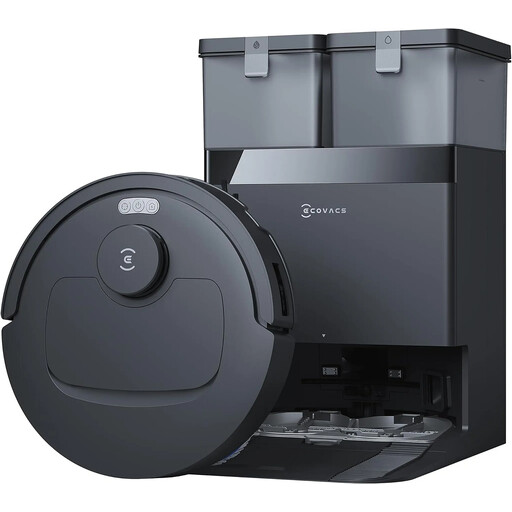
Why this model stands out: The DEEBOT T30e OMNI combines exceptionally high suction power with advanced technologies for edge cleaning and hair tangle prevention. Its fully automated OMNI station handles nearly all maintenance tasks.
Advantages:
Who is this model for? This model is an excellent choice for users who demand top-tier cleaning performance, especially in homes with pets or carpets. Its precise edge cleaning and comprehensive automation make it ideal for medium to large living spaces.
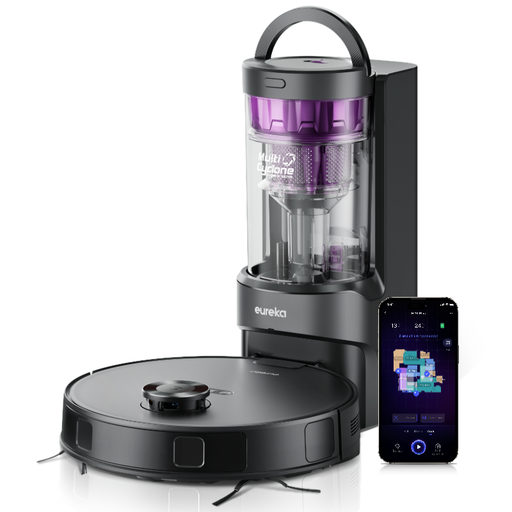
Why this model stands out: The Eureka E20 Plus features a bagless auto-empty station, which eliminates the ongoing cost of replacement dust bags. With solid suction power and intelligent mop lifting, it represents a feature-rich option.
Advantages:
Who is this model for? This device is aimed at budget-conscious users who don't want to sacrifice the convenience of a fully automated station. The bagless design and effective carpet adaptation make it a practical solution for homes with mixed flooring.
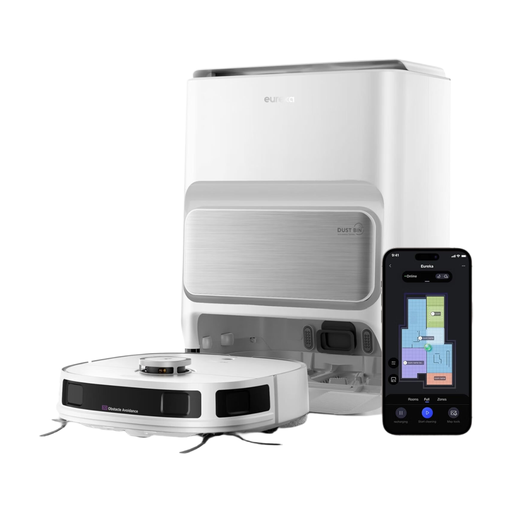
Why this model stands out: The J12 Ultra relies on highly advanced Dual-LiDAR navigation and an all-in-one station that allows for up to 75 days of hands-free self-emptying. The 55°C mop drying ensures hygiene.
Advantages:
Who is this model for? Ideal for owners of large houses or apartments who value maximum automation and exceptionally precise navigation. The versatile cleaning modes and long maintenance-free period appeal to users looking for a "set-it-and-forget-it" solution.
The models featured here cover common user profiles. If your needs are more specific or you simply want to compare more devices, you can find a wider selection in our range.
? Discover all robot vacuums here
After cleaning, the robot returns to its station. There, dust is suctioned from the robot's onboard bin into a larger bag or container in the station. Simultaneously, the mop pads are washed with fresh water, and the dirty water is collected in a separate tank. Many stations then dry the mops with warm air to prevent the growth of bacteria and odours.
Three factors are crucial here:
The frequency depends on the size of the dust container in the station, the size of your home, how often you clean, and the amount of debris (e.g., from pets). Depending on the model and usage, intervals can range from approximately 30 to 75 days. Most devices will notify you via an app when the dust bag or bin is full.