
Lieferung heute & morgen

Qualitätsgarantie

Willkommens-Angebote freischalten: KOSTENLOSE Lieferung | Bis zu 80 % RABATT | Kostenlose 30-Tage-JoyPlus-Testphase
App herunterladen
Finding the right robot vacuum with mopping and an auto-empty station can quickly become overwhelming. Manufacturers advertise ever-increasing suction power figures and a vast array of features. However, not every innovation is genuinely useful in daily life. This guide will help you identify the crucial characteristics and avoid common purchasing mistakes, ensuring you find a device that truly meets your needs.
The market for home robotics is filled with marketing promises. Three aspects in particular frequently lead to buyer's remorse:
To separate the wheat from the chaff, you should closely examine three core technical areas. These largely determine the device's autonomy and cleaning quality.
A modern auto-empty station does far more than just empty the dustbin. Look for the following features that offer real added value:
A robot's ability to move seamlessly through your home is crucial.
For households with pets or long-haired individuals, good anti-tangle technology is essential. Systems like ZeroTangle use specially designed main and side brushes to channel hair directly into the suction stream, minimizing the need to manually remove tangled hair from the brushes.
Instead of making a one-size-fits-all recommendation, we have identified models tailored to specific living situations and needs.
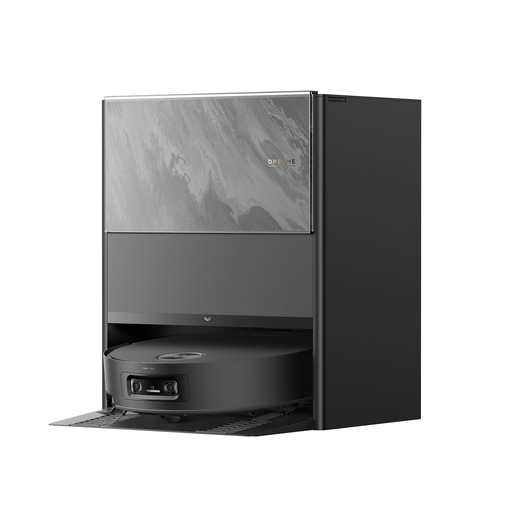
Why this model is a good fit: Ideal for homes with high door sills, carpet edges, or low-profile furniture. The TripleUp chassis with retractable legs is specifically designed for traversing complex obstacles.
Solves the "inadequate obstacle detection" problem with a physical solution. According to the manufacturer, the chassis can overcome obstacles up to 6 cm, where other robots get stuck.
The combination of the TripleUp chassis for obstacle traversal and a station with 100°C hot-water mop cleaning provides high autonomy in challenging environments.
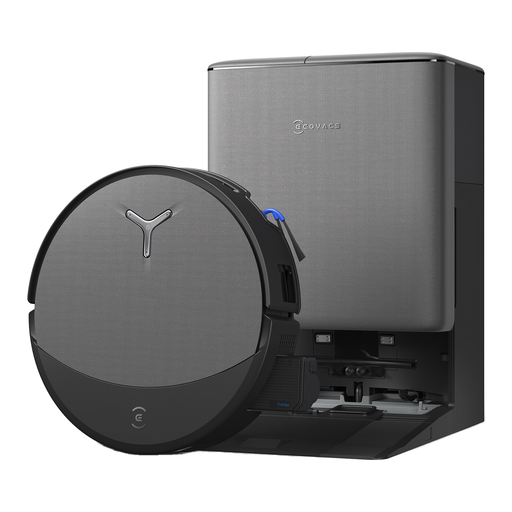
Why this model is a good fit: Suitable for users who demand high cleaning performance on mixed floor types (carpet, hard floors) and in households with pets.
Avoids the "suction power trap" by combining high suction power (30,000 Pa according to the manufacturer) with the effective ZeroTangle 4.0 anti-tangle system and the self-cleaning OZMO ROLLER 3.0 mopping system.
The TruePass Adaptive 4WD climbing system enables it to cross sills up to 24 mm, while the AIVI 3D 4.0 navigation ensures precise cleaning.
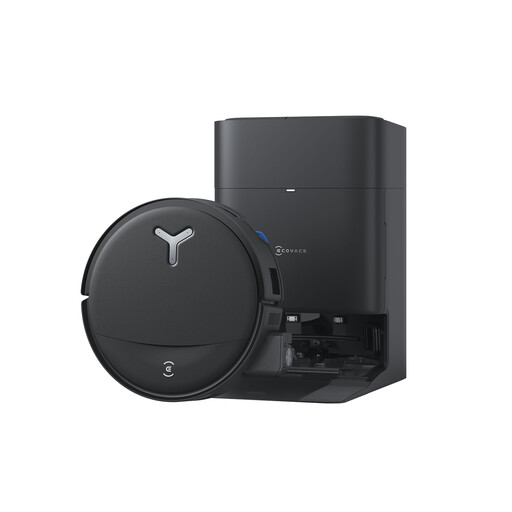
Why this model is a good fit: Perfect for families, allergy sufferers, or pet owners for whom a flawlessly hygienic clean is the top priority.
Directly addresses the "wet wipe illusion." The station washes the mops with temperature-controlled hot water (40–75°C) and adjusts the intensity based on AI-powered stain recognition (AI Stain Detection 2.0).
The Triple-Lift system raises mops on carpets and brushes when encountering liquids to prevent cross-contamination and ensure a consistently hygienic clean.
We have compiled a complete, up-to-date list of products that fully meet these strict selection criteria and UK safety regulations.
1. How high can a robot vacuum climb? Most robot vacuums and mops can overcome obstacles like door sills or carpet edges up to a height of about 2 cm. For higher barriers, there are special models like the Dreame Aqua10 Ultra, which, according to the manufacturer, can handle obstacles up to 6 cm with its liftable chassis. Before purchasing, check the maximum sill height in the device's technical specifications.
2. How often does the dust bag in the station need to be changed? The frequency of changing the bag depends heavily on usage, the size of your home, and the presence of pets. On average, the dust bags in the stations hold dirt from 60 to 90 days. Most devices will notify you via an app when the bag is full and needs to be replaced.
3. Is hot-water mop cleaning really necessary? Hot-water cleaning offers objective advantages over cold-water cleaning. Hot water dissolves greasy and dried-on stains (e.g., in the kitchen) much more effectively. Additionally, the higher temperature helps reduce bacteria and germs on the mopping pads, which improves overall household hygiene and prevents odours from developing in the station.