
Lieferung heute & morgen

Qualitätsgarantie

Willkommens-Angebote freischalten: KOSTENLOSE Lieferung | Bis zu 80 % RABATT | Kostenlose 30-Tage-JoyPlus-Testphase
App herunterladen
As a Joybuy Product Recommendation Officer, I see every day how advanced home technology can make life easier. A robot vacuum with an auto-empty dock and mopping function promises exactly that: more time for the important things in life while your floors are cleaned automatically. However, the market is saturated with devices that have impressive technical specs but often fail to deliver on their promises in real-world use.
Many buyers invest in a high-end model, only to find it requires constant manual intervention. To help you avoid making a poor purchase, we will uncover the most common pitfalls and highlight the features that are truly essential for your selection.
Before you make a decision, it's important to understand the common issues that often only surface after the purchase, significantly diminishing the device's value.
To bypass these issues, you should focus on three core areas. These will determine whether a robot vacuum and mop is a true convenience or just another chore.
Raw suction power, measured in Pascals (Pa), is only half the story. The critical factor is how that power is delivered to the floor. Pay close attention to the design of the main brush. Advanced systems like a HyperStream Detangling DuoBrush combine rubber fins and bristles to pull in hair directly without it getting tangled. This is an essential feature for any robot vacuum for pet hair. High suction power is especially important for deep-cleaning carpets.
A good robot vacuum with Laser Navigation (LDS) creates a precise map of your home for systematic, gap-free cleaning. The next step up is a robot vacuum with obstacle detection powered by 3D structured light. This technology enables the device to recognise and avoid even flat objects like cables, socks, or slippers in real time. This ensures smooth, uninterrupted operation.
A fully automated station is the heart of any modern system. Besides automatically emptying the dustbin into a large bag (which can last for up to 150 days), it should perform additional tasks:
All of these functions can be conveniently managed with a robot vacuum with app control, allowing you to set cleaning schedules and define no-go zones.
Instead of presenting an overwhelming list, we've selected models that meet specific needs and are engineered to avoid the pitfalls discussed earlier.
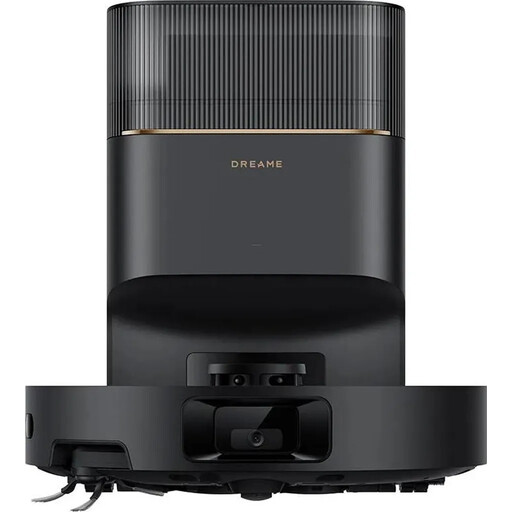
Why this model is a great fit: The combination of a 5L dust bag for up to 150 days of autonomous operation, the HyperStream Detangling DuoBrush, and 13,000 Pa of suction power is designed for households with high levels of dirt from children and pets.
The auto-empty station minimises maintenance. The tangle-free dual brush solves the problem of rollers constantly getting clogged with hair.
Extremely long autonomy thanks to the large auto-empty station and effective pet hair removal due to the specialised brush design.
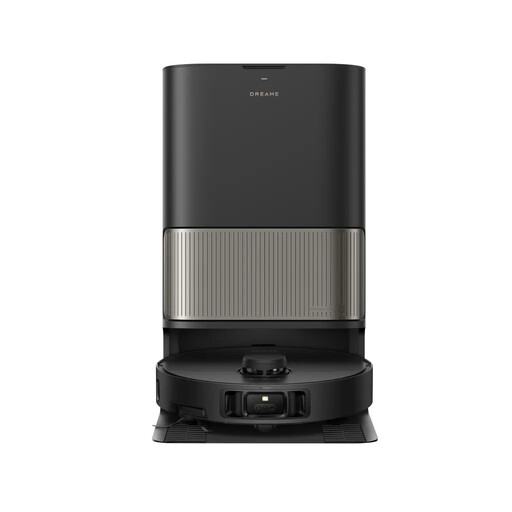
Why this model is a great fit: This device offers cutting-edge technology, including mop washing with 75°C hot water, extendable mops for seamless edge cleaning, and precise 3D obstacle avoidance.
The 3DAdapt Obstacle Avoidance system recognises over 180 different objects and reliably navigates around cables and toys. The fully automated station is self-cleaning and self-drying.
Outstanding mopping performance thanks to hot water and edge cleaning, plus superior navigation intelligence for uninterrupted operation.
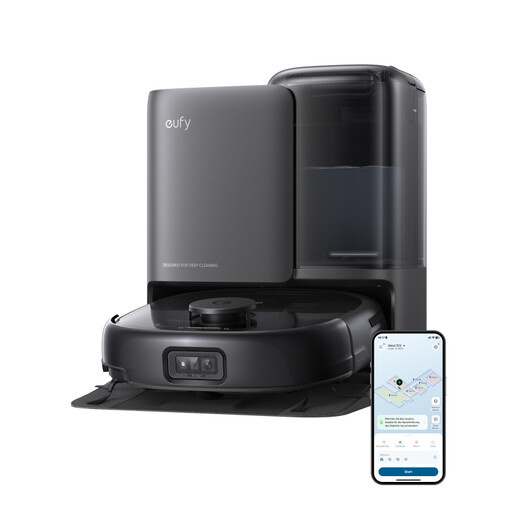
Why this model is a great fit: Its high suction power of 20,000 Pa is engineered for deep-cleaning carpets, while the HydroJet system uses a continuously cleaned dual roller to mop hard floors without leaving streaks.
It solves the problem of robot vacuums that perform poorly on carpets. The immense suction power makes it an excellent choice for homes with many carpets.
Very high suction power for carpets and a specialised mopping system that keeps the mop fresh throughout the cleaning process, ensuring pristine hard floors.
We have compiled a complete, real-time list of products that fully meet these strict selection criteria and all relevant safety regulations.
How often does a robot vacuum's auto-empty station need to be emptied? The frequency largely depends on the model and the level of debris in your household. Basic stations might need emptying every 60 days. Advanced models like the Dreame D20 Pro Plus feature a 5L dust bag, providing capacity for up to 150 days, which considerably reduces maintenance.
Can a robot vacuum and mop damage my carpets? Modern devices are equipped with ultrasonic sensors to automatically detect carpets. When the robot moves onto a carpet, it lifts the mop pad or halts the water supply while simultaneously boosting suction power. This ensures the carpet is only vacuumed, not wet. It's recommended to look for this carpet detection feature when making a purchase.
What is the advantage of Laser Navigation (LDS) with 3D Obstacle Detection? A robot vacuum with Laser Navigation (LDS) scans its surroundings to create a highly accurate map, enabling efficient, methodical cleaning paths. The addition of 3D obstacle detection (often using structured light) takes it a step further: it also recognises small, flat objects on the floor in real time, like cables, socks, or pet waste. The robot can then actively avoid them, which dramatically increases the reliability of the cleaning process.