
Lieferung heute & morgen

Qualitätsgarantie

Willkommens-Angebote freischalten: KOSTENLOSE Lieferung | Bis zu 80 % RABATT | Kostenlose 30-Tage-JoyPlus-Testphase
App herunterladen
Purchasing a robot vacuum with a mopping function and a fully automatic cleaning station is a significant investment in your home's comfort. These devices promise to almost completely take over floor care. However, the market is filled with marketing promises that don't always hold up to reality. Many buyers soon find that their expensive device requires more manual work than expected or neglects certain areas of their home. This guide highlights which technical features truly matter and how you can avoid the most common purchasing pitfalls.
Before you make a decision, you should be aware of the most common problems that often only become apparent after the purchase.
To avoid these pitfalls, you should focus on specific technical parameters that make a real difference in daily use.
A truly autonomous robot vacuum is distinguished by a station that does more than just suck up dust. Look for the following functions that minimise maintenance:
A thorough clean depends on the robot's ability to reach all areas.
For households with pets, this is a crucial criterion.
Based on the criteria above, we have identified several models that offer a suitable solution for different user profiles.
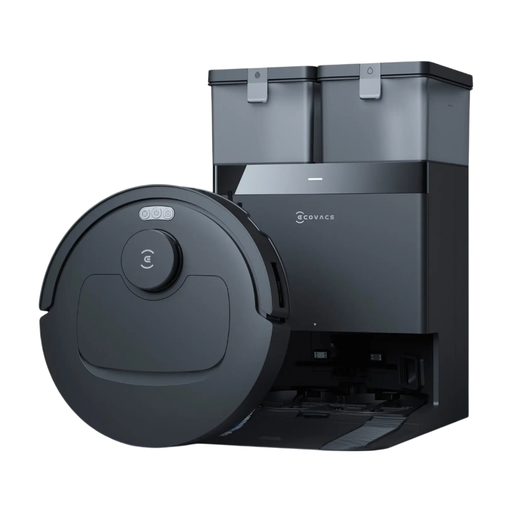
Why it's a match: This device is aimed at users seeking the highest level of automation and cleaning performance. It combines high suction power with advanced mopping and maintenance functions for comprehensive, low-maintenance floor care.
The OMNI station washes the mops with 75°C hot water and then dries them, avoiding the "pseudo-automatic" trap. The TruEdge 2.0 technology with its extendable mop solves the problem of uncleaned edges.
The combination of hygienic hot-water mop washing and effective edge cleaning delivers a superior level of cleanliness and convenience.
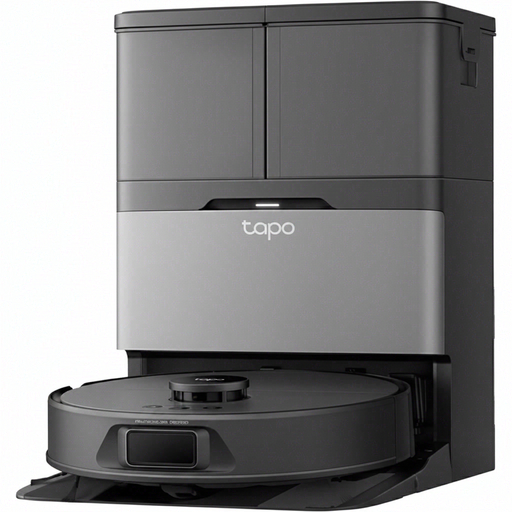
Why it's a match: For pet owners and families, hair removal is a priority. This model places a clear focus on preventing tangles without compromising on mopping and station functions.
The Tangle-Free Cutting Brush system actively counters the tangle problem and minimises manual brush maintenance. The station with 60°C hot water washing ensures hygienically clean mops.
The comprehensive anti-tangle system significantly reduces maintenance, making it a practical choice for households with a high volume of hair.
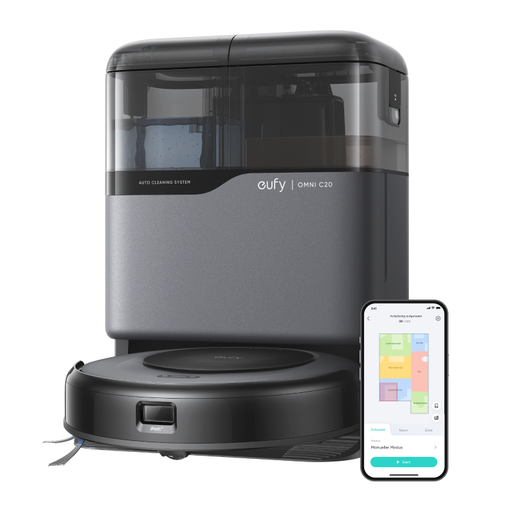
Why it's a match: This device offers the core features of an all-in-one station at a more accessible price point. It's a solid choice for users who want the convenience of automation but don't need all the premium features.
The model provides a functional all-in-one station that auto-empties, washes, and dries (with ambient air), thus bypassing the trap of a basic vacuum-only robot. The Pro-Detangle CombTM system helps reduce hair tangles.
A very slim design of only 8.5 cm in height allows it to clean under low furniture. It offers essential automation features in a compact package.
We've compiled a complete, up-to-date list of products that fully meet these strict selection criteria and safety regulations.
The maintenance for modern stations is low, but not zero. Typically, you'll need to empty the dirty water tank and refill the clean water tank every few weeks. The dust bag in the station needs to be replaced approximately every 60 to 90 days, depending on usage and household size. An occasional cleaning of the station itself is also recommended.
Suction power, measured in Pascals (Pa), is an important indicator of the robot's ability to pick up dirt and dust. High values are particularly beneficial on carpets. However, suction power alone is not the deciding factor. The design of the brushes, the effectiveness of the mopping system, and the precision of the navigation are at least as important for the overall result. A device with moderate suction but a superior brush design and intelligent navigation can be more effective than a model with a very high Pa value but poorer features.
Modern robot vacuums that use laser navigation (LiDAR) generally have no problems with dark floors. However, the cliff sensors, which protect the robot from stairs, can sometimes be a challenge. These infrared sensors might misinterpret very dark, non-reflective carpets or floors as a drop-off and avoid the area. However, many manufacturers have addressed this issue in newer models with improved sensor technology.