
Lieferung heute & morgen

Qualitätsgarantie

Willkommens-Angebote freischalten: KOSTENLOSE Lieferung | Bis zu 80 % RABATT | Kostenlose 30-Tage-JoyPlus-Testphase
App herunterladen
A robot toy for children can be programmed, dance, play stories or act as a digital playmate. However, models vary considerably in how they are controlled, their power supply, materials, range of movement and recommended age. If you focus only on the number of features or flashy light effects, you could end up buying a toy that rarely gets used.
An interactive robot with a remote control, gesture control and a programming mode sounds versatile. But for younger children, a large number of buttons and sequences can be confusing. So think about whether your child prefers simple movements, role-play, music or their first programming tasks.
A robot with lights and sounds is entertaining, but that doesn’t automatically mean it teaches technical concepts. For genuine educational value, look for specific features such as freely combinable movement sequences, voice recordings, obstacle detection or guided learning activities. The term ‘AI robot’ alone tells you little about what it can actually do.
Battery type, charging time, spare parts and supervision guidance are often overlooked when buying. A remote-controlled robot that uses disposable batteries will have different ongoing costs from a model with a built-in rechargeable battery. Small parts, moving joints and automatic arms also need to be suitable for use at home.
The recommended age is a useful guide, but it doesn’t replace a parent’s judgement. When choosing a gift for children aged 5 and over, pay particular attention to small parts, volume controls and how complex the controls are. Models with an automatic arm, small figures or delicate mechanisms may need closer supervision.
Most walking and dancing robots are best suited to flat, hard indoor floors. Stairs, damp surfaces and table edges can lead to falls or damage. Before buying, also check that you have enough clear space.
A programmable robot should clearly state how many actions can be combined and whether it is programmed directly on the device or through an app. A gesture-controlled robot needs enough space and reliable motion detection. For a learning robot for children, clear content, adjustable volume and age-appropriate controls are all important.
If you’re mainly looking for movement and entertainment, you could choose a dancing robot with music and LED effects. For parents and children who want to create their first sequences together, memory functions and freely programmable routines are more important.
ABS plastic is used in many toy robots because it is lightweight and retains its shape. However, the quality of the joints, rounded edges and a secure battery compartment are still important. According to the product information, the Dreamora robot is made from ABS plastic and has a built-in lithium battery; the remote control requires batteries.
Also check:
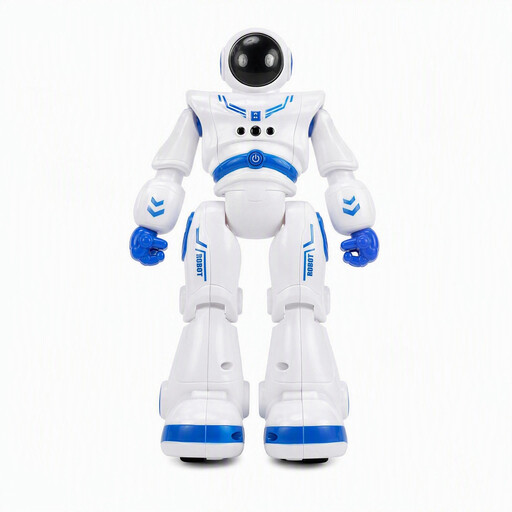
Why it suits this profile: According to the product information, this model is designed for children aged 6 and over and combines remote control with gesture control. Stories, music and adjustable volume make it a good choice for indoor playtime together.
The age recommendation, rechargeable battery in the robot and guidance on using it on flat indoor surfaces make key buying considerations clear.
Two control options, an LED display, music and voice content, plus programmable and pre-set movements.
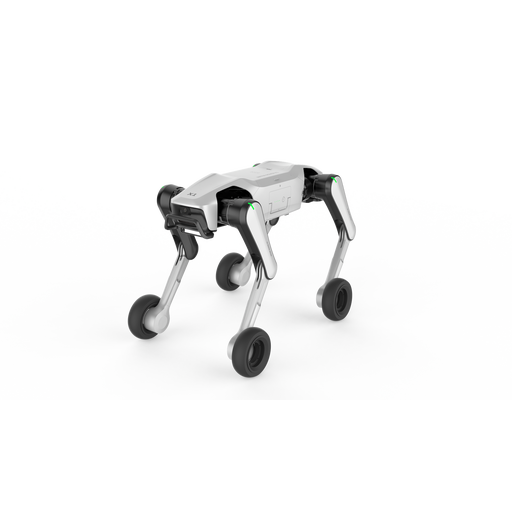
Why it suits this profile: This robot dog is aimed at users looking for a technically focused robotic system with a wheel-and-leg dual mode, voice interaction, vision and UWB follow functions.
The product name spells out its intended interaction and follow features, rather than relying solely on light or sound effects to attract attention.
Two ways to move, voice interaction, and vision and UWB follow features, according to the product name.
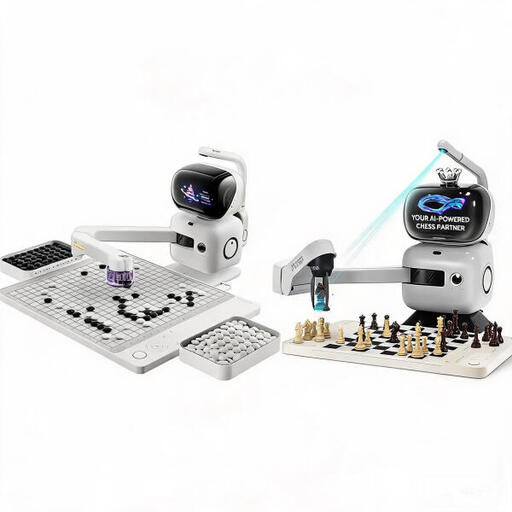
Why it suits this profile: This set is designed for chess and Go players looking for a digital practice partner that makes moves mechanically, offers spoken prompts and includes several difficulty levels.
It is designed for a specific game, making it easier to decide before buying whether it matches the user’s interests.
According to the product information, it offers 25 chess difficulty levels, over 1,200 exercises and can be used without a smartphone permanently connected once set up.
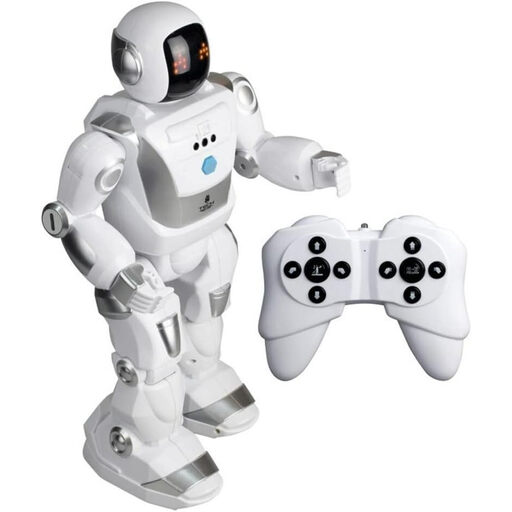
Why it suits this profile: This model combines remote control, motion sensors and programmable sequences. At 40 cm tall, according to the product information, it’s also easy to spot in the play area.
The product information lists 48 programmable functions and the type of batteries required, making it easier to plan for both the features and ongoing costs.
Gesture control, infrared remote control, LED eyes, sound effects and programmable movements, according to the product description.
We’ve put together a complete, regularly updated list of products that meet these strict selection criteria and fully comply with the safety regulations in force in the EU.
It depends on the child’s development and interests. An easy-to-use dancing robot with a remote control is a good choice for movement and entertainment. Programmable models are great for children who enjoy experimenting with sequences. Check the recommended age, small parts and supervision requirements before buying.
There’s no single answer. Battery life depends on motor movements, volume, lighting and battery capacity. Check whether the manufacturer gives an estimated run time and whether a charging cable is included. For a battery-powered model, remember to plan for compatible replacement batteries.
Not every model has ongoing costs. Some only need charging or replacement batteries. App connectivity, optional content or online services may come with additional requirements. Before buying, check whether you need an account, Wi-Fi, a subscription or a smartphone.