
Lieferung heute & morgen

Qualitätsgarantie

Willkommens-Angebote freischalten: KOSTENLOSE Lieferung | Bis zu 80 % RABATT | Kostenlose 30-Tage-JoyPlus-Testphase
App herunterladen
The idea is appealing: a single device that vacuums and mops on its own, while you use your time for more important things. But the market for robot vacuums with a mopping function is crowded, and many devices don't live up to their advertising claims. As a Joybuy Product Recommendation Officer, I'll help you identify the crucial features and avoid common purchasing traps, so you can make an informed decision for your household.
Before we dive into the technical details, let's highlight the three most common problems that arise from ill-considered purchases. These often lead to frustration and the feeling of having spent money on an inadequate product.
To avoid the pitfalls mentioned above, you should focus on three core aspects. These determine whether a robot vacuum and mop will be a real help or a technical nuisance in your home.
A robot vacuum's high suction power is the foundation, but only the interplay with the brush system ensures a clean result. Look for the following features:
You can recognize superior mopping performance by its active cleaning systems. Instead of a rigid cloth, these use:
Navigation is the robot's brain. There are clear differences here:
Based on these criteria, we have identified some products that offer a suitable solution for specific user profiles and their requirements.
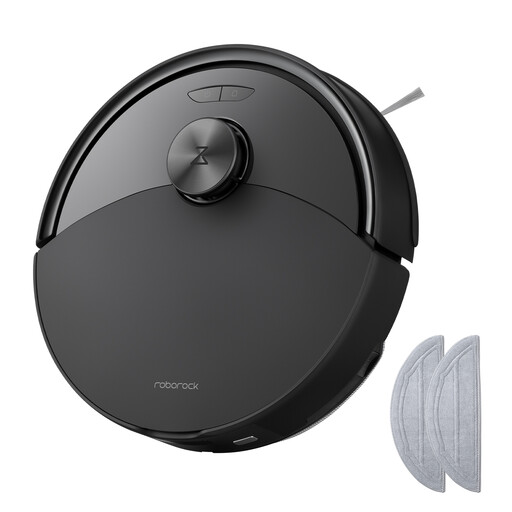
Why This Fits Their Persona: Ideal for households with mixed flooring and pets, where high and reliable cleaning performance is required without constant manual intervention.
The dual anti-tangle brush system and high suction power of 10,000 Pa (according to the manufacturer) bypass the "Pascal Trap" by effectively picking up hair. The automatic lifting mop function prevents the "damp cloth dragging" issue on carpets.
Auto-Lifting Mopping: The mop automatically lifts on carpets, enabling seamless cleaning of hard floors and carpets in a single run. Dual Brush System: Reduces maintenance by minimising hair tangles.
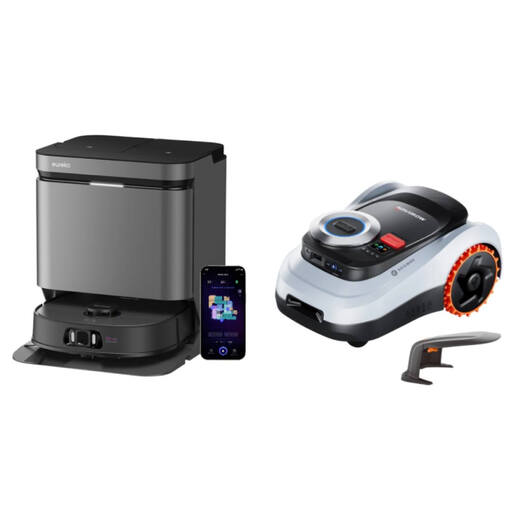
Why This Fits Their Persona: The complete solution for homeowners seeking comprehensive automation for indoor and outdoor cleaning, who value advanced technology.
The Eureka J15 Pro Ultra avoids "Navigation Chaos" with AI-powered dirt and obstacle detection. Its mopping function, featuring 75°C hot water cleaning (according to the manufacturer), is far more than just "damp cloth dragging" and provides a hygienic deep clean.
Combined Automation: A single package for fully automated floor cleaning indoors and lawn care outdoors. Advanced Cleaning Station: The robot vacuum's base station washes the mops with hot water and dries them, minimising maintenance.
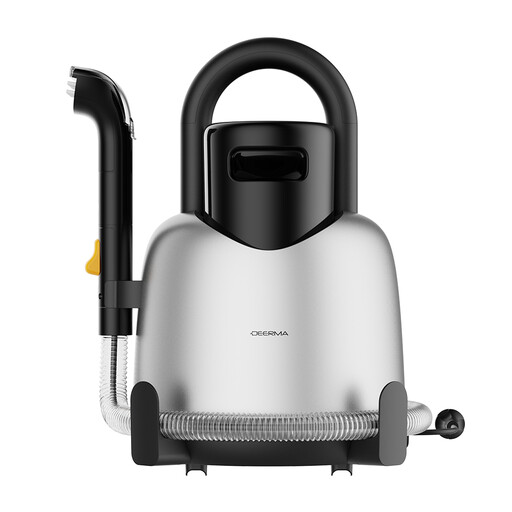
Why This Fits Their Persona: Perfect for users seeking a powerful solution for stubborn stains on carpets, upholstery, or in the car, and who want to supplement the limitations of daily robotic cleaning.
This device avoids the trap of an inadequate mopping function by making no compromises. It is a specialist for wet cleaning, using high-temperature steam and powerful suction to tackle stains that no robot can remove.
Multi-Mode Cleaning: Offers steam, hot water, and normal temperature washing modes for different fabric types, according to the manufacturer. Powerful Suction: The 13 kPa suction power (according to the manufacturer) extracts dirt and moisture from deep within the fabric for quick drying.
We have compiled a complete, up-to-date list of products that fully meet these strict selection criteria and German safety regulations.
1. Does a mopping robot with carpet detection really work reliably? Yes, with modern devices using ultrasonic sensors or cameras, this feature is very reliable. The robot accurately detects carpet edges and typically lifts the mop pad in a fraction of a second. This prevents wet carpets and allows for uninterrupted cleaning in homes with mixed flooring. However, for very high-pile carpets (over 1.5 cm), it may be wise to also define them as a no-go zone in the app.
2. What is the maintenance effort for a robot vacuum for pet hair? The effort heavily depends on the model. Devices with anti-tangle dual rubber brushes, like the Roborock Q10 S5, significantly reduce manual cleaning effort as hair is less likely to wrap around the brushes. For models with bristle brushes, you should expect to free the brush from hair about once a week. Regardless of the model, the dustbin should be emptied after every two to three cleanings and the filters checked regularly, unless you have a model with a self-emptying station.
3. How often do I need to empty the dustbin and water tank? With a standard robot without a self-emptying station, the dustbin (approx. 300-450 ml) needs to be emptied every 1-3 cleaning cycles, depending on the amount of dirt and the size of your home. The water tank (approx. 200-300 ml) is usually sufficient for an area of 60-100 m?, depending on the set water flow rate. Models with a fully automatic cleaning station handle this work for you and only require maintenance every few weeks (dust bag) or after several cleaning cycles (fresh and dirty water tanks).