
Lieferung heute & morgen

Qualitätsgarantie

Willkommens-Angebote freischalten: KOSTENLOSE Lieferung | Bis zu 80 % RABATT | Kostenlose 30-Tage-JoyPlus-Testphase
App herunterladen
The idea of an ever-clean home without the daily chore of vacuuming and mopping is a desirable goal for many. A robot vacuum with a mopping function and an auto-empty station promises just that: largely automated floor cleaning. However, the market is filled with technical promises that don't always deliver. As your Joybuy Product Recommendation Officer, I'll help you identify the crucial features and avoid common purchasing pitfalls, ensuring your investment pays off in the long run.
Before we dive into the key performance features, let's highlight three common problems that often only become apparent after the purchase, leading to disappointment.
To avoid the issues mentioned above, you should pay close attention to a few key technical specifications. These parameters are crucial for reliable, low-maintenance operation.
The robot's ability to move intelligently and efficiently through your home is fundamental.
A good automatic floor cleaner must be able to adapt to different floor types.
A truly useful station does more than just empty the dustbin. A mopping robot with self-cleaning should have a station that offers the following features:
Comprehensive app control for the robot vacuum rounds out the package, allowing you to set up no-go zones, schedule cleaning times, and select specific rooms for cleaning.
Based on the criteria above, we have identified a few models that are well-suited for different needs and households.
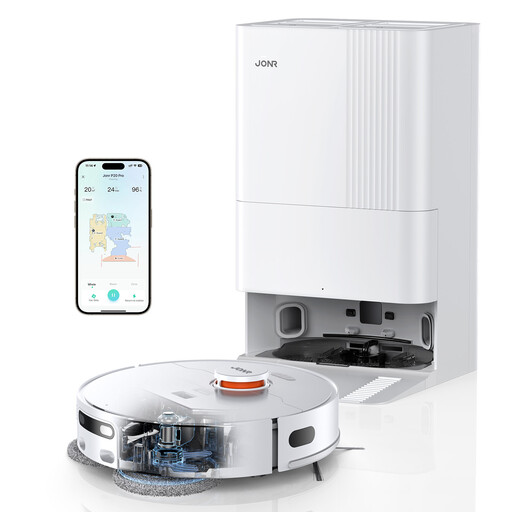
Why This Fits Their Persona: This model offers a well-balanced package for households with mixed floor types. It combines solid suction power with a fully automatic station and reliable laser navigation, making it a practical solution for everyday life.
The all-in-one station cleans and dries the mopping pads with hot air. This avoids the pitfall of a high-maintenance station where mops must be cleaned manually.
The combination of laser navigation for structured cleaning and a station with hot-air drying provides a high degree of autonomy and hygiene.
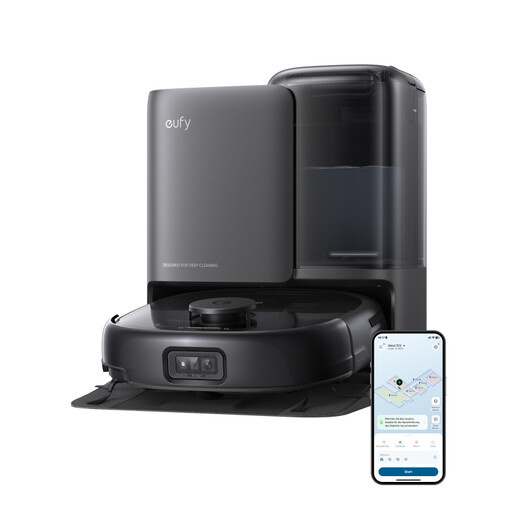
Why This Fits Their Persona: For demanding users, especially in households with children and pets, this model is worth considering. Its very high suction power, paired with advanced AI obstacle detection and special anti-tangle brushes, is designed for maximum cleaning performance and reliability.
The HydroJet system actively cleans the mopping roller during operation, ensuring a thorough wet clean instead of just dragging a damp cloth. The AI obstacle detection avoids collisions with objects left on the floor.
According to the manufacturer, the device offers 20,000 Pa of suction power for deep-cleaning carpets. The DuroSpiral brushes are specifically designed to prevent hair tangles.
We have compiled a complete, up-to-date list of products that fully meet these strict selection criteria and German safety regulations.
1. How often does a robot vacuum's auto-empty station need to be emptied? The frequency depends on the size of the dust bag in the station, the cleaning schedule, and the amount of dirt (e.g., from pets). On average, the bag in most models only needs to be replaced every 30 to 70 days. Keep in mind that the dust bags are a recurring cost.
2. Can a robot vacuum with a mopping function detect and avoid carpets? Yes, modern devices are typically equipped with ultrasonic or infrared sensors to detect carpets. When the robot is in a combined vacuuming and mopping mode, it will either automatically lift its mopping pads (if the feature is available) or bypass the carpeted area completely to prevent it from getting wet.
3. What is the lifespan of a robot vacuum and its battery? With proper care, the device itself can last for several years. The battery, usually a lithium-ion type, is subject to natural wear and tear. It typically maintains its full capacity for about two to four years before the runtime noticeably decreases. For many major brands, battery replacement is possible.