
Lieferung heute & morgen

Qualitätsgarantie

Willkommens-Angebote freischalten: KOSTENLOSE Lieferung | Bis zu 80 % RABATT | Kostenlose 30-Tage-JoyPlus-Testphase
App herunterladen
The search for the right robot vacuum and mop with a self-emptying station can quickly become overwhelming. Manufacturers advertise ever-increasing suction power figures and a multitude of automatic functions. However, not every advertised feature actually leads to a cleaner home in practice. Many devices turn out to be a poor investment because they fail at basic, everyday challenges.
This guide will help you separate the wheat from the chaff. We'll highlight the most common pitfalls and explain which technical features truly matter, so you can make an informed decision.
Before you invest, you should be aware of the typical weaknesses that often only become apparent during daily use after the purchase.
To avoid the pitfalls mentioned above, you should focus on three core technical areas. These determine the actual cleaning quality and convenience in everyday life.
Precise navigation is the foundation for complete cleaning coverage. Modern devices primarily use two technologies:
For households with pets or long-haired individuals, the design of the main brush is crucial.
A modern station should do more than just empty dust. Look for the following convenience features that offer real added value:
Based on the criteria above, we have identified several models that represent a smart choice for different user profiles and their specific requirements.
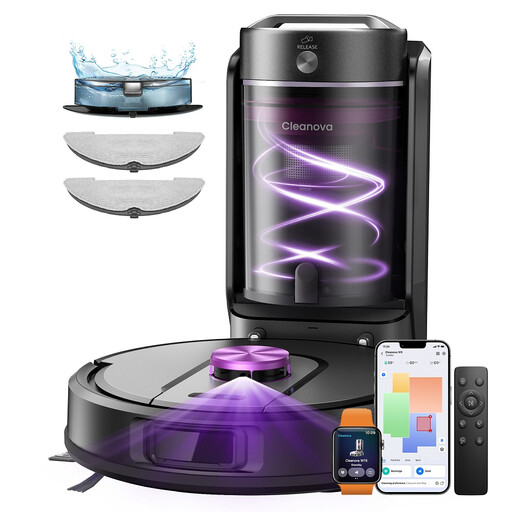
Why This Fits Their Persona: This model offers a solid set of essential features, including LiDAR navigation and a self-emptying station, at a very accessible price point. It's a great choice for users who want to enter the world of fully automated cleaning without a premium budget.
The bagless, multi-cyclone self-emptying station bypasses the pitfall of hidden recurring costs for dust bags. Its LiDAR navigation ensures systematic cleaning, avoiding the chaotic patterns of simpler models.
The combination of 10,000 Pa suction power (manufacturer's claim), LiDAR navigation, and a bagless self-emptying station offers a strong feature set in this price range.
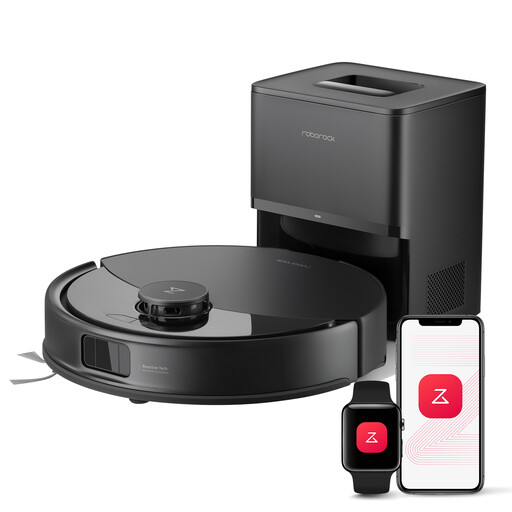
Why This Fits Their Persona: For households with pets and children, high suction power and a reliable anti-tangle system are essential. This model combines both with intelligent obstacle detection to handle daily challenges.
The dual anti-tangle system with two rubber brushes actively counters the problem of brushes getting blocked by pet and human hair. This significantly reduces hidden maintenance.
The combination of 10,000 Pa suction power (manufacturer's claim), Reactive Tech obstacle avoidance, and the special brush design makes it a great choice for the demanding task of cleaning up pet hair.
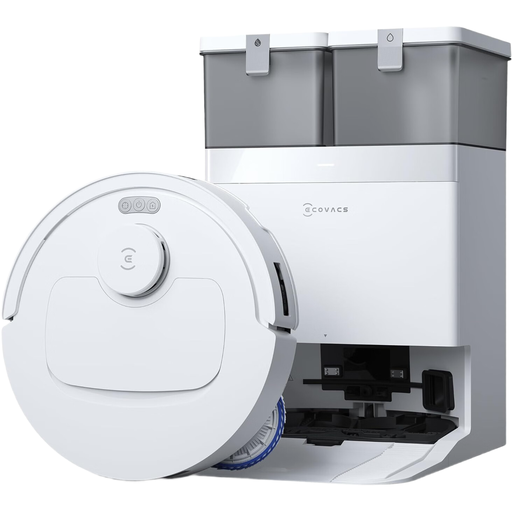
Why This Fits Their Persona: This model is aimed at users who value maximum automation and advanced cleaning technologies. It offers a comprehensive solution that addresses many of the common weaknesses of robot vacuums.
The TruEdge 2.0 edge cleaning with its extendable mop solves the problem of dirty corners. The all-in-one station, featuring 75°C / 167°F hot water mop washing and hot air drying, effectively prevents the formation of odours and bacteria.
The combination of advanced edge cleaning, hygienic mop self-cleaning, and the ZeroTangle 3.0 anti-tangle system offers a superior level of convenience and cleaning performance.
We have compiled a complete, up-to-date list of products that fully meet these strict selection criteria and UK/EU safety regulations.
The lifespan of a robot vacuum and mop depends heavily on the intensity of use and regular maintenance. With good care, such as regularly cleaning sensors, brushes, and filters, you can expect it to function for three to five years. The battery is often the first component to lose capacity and can be replaced on some models.
Modern mopping systems with rotating pads and downward pressure, like the OZMO Turbo 2.0 system, are significantly more effective than basic models that just drag a damp cloth. They can handle fresh spills and everyday dirt well. However, for old, dried-on stains (e.g., coffee or wine), manual pre-treatment or a second cleaning run may be necessary.
Even with an all-in-one station, a few maintenance tasks remain. Typically, you'll need to refill the fresh water tank and empty the dirty water tank every few weeks. Depending on the model, the dust bag in the station needs to be changed every 6 to 8 weeks (this is not necessary for bagless systems). It is also recommended to regularly clean the robot's sensors and the station's cleaning tray to ensure optimal performance.