
Lieferung heute & morgen

Qualitätsgarantie

Willkommens-Angebote freischalten: KOSTENLOSE Lieferung | Bis zu 80 % RABATT | Kostenlose 30-Tage-JoyPlus-Testphase
App herunterladen
Modern robot vacuums, complete with mopping functions and self-emptying stations, have evolved into sophisticated, autonomous cleaning systems. They combine powerful suction with advanced mopping technologies and fully automated docking stations that reduce manual maintenance to a minimum. Selecting the right device depends on a detailed analysis of technical specifications and their relevance to your household's unique needs. Features such as hot water mop washing, precise AI navigation, and effective robot vacuum edge cleaning are key differentiators in the premium market.
This article analyses the key technical parameters and presents a selection of current models to help you make an informed purchasing decision.
The performance of a robot vacuum and mop is determined by the interplay of several core components. A rational evaluation should be based on the following objective criteria.
Suction power, measured in Pascals (Pa), is an indicator of the device's ability to remove dirt, dust, and especially pet hair from various floor types. Models with ratings over 20,000 Pa offer superior cleaning performance, even on deep-pile carpets. The brush system is just as important: dual rubber brushes reduce hair tangles, while extendable side brushes improve cleaning along edges and in corners.
The mopping function has evolved from a simple damp cloth to highly sophisticated systems. Current technologies include:
The navigation method determines the efficiency and safety of the cleaning process. LDS (Laser Distance Sensor) technology allows for fast and precise mapping of your home. This is increasingly supplemented by AI-powered camera systems (robot vacuums with AI navigation). These systems can identify and navigate around a wide variety of objects—such as cables, shoes, or toys—in real time, reducing the need to tidy up beforehand.
The station is the heart of the robot's autonomy. A self-cleaning robot vacuum should have a station with the following features:
The following models stand out for their advanced technical specifications and high degree of automation.
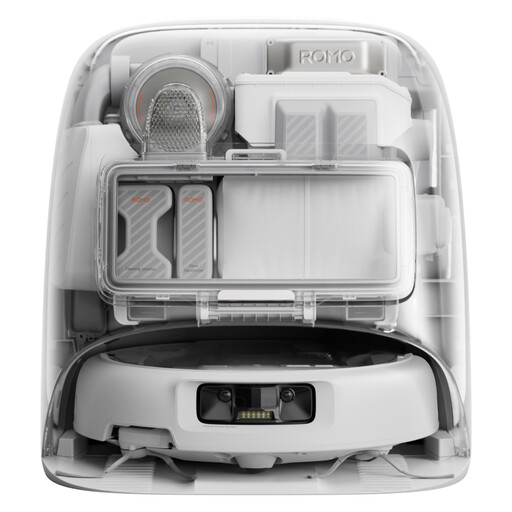
Why we recommend this product: The DJI ROMO P combines powerful suction with a unique mechanical design for edge cleaning. Its dual robotic arms extend the side brushes and mops to ensure complete coverage along baseboards and in corners—an area where many round robots fall short. The sensor system, based on DJI's drone technology, enables precise navigation and obstacle avoidance.
Pros:
Who it's for: This model is designed for tech-savvy users who value innovative design and maximum cleaning coverage, especially in corners and along edges.
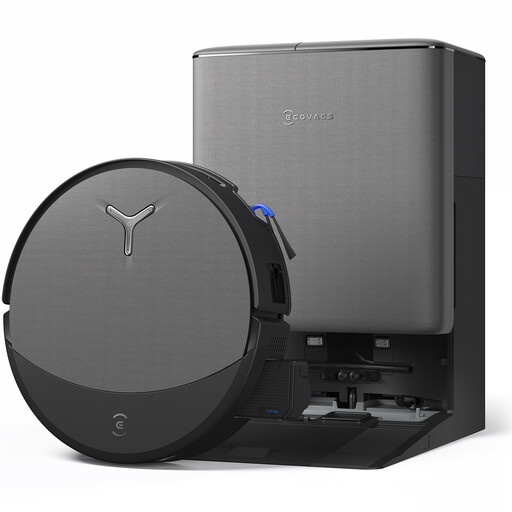
Why we recommend this product: The DEEBOT T90 PRO OMNI focuses on maximum suction power and an efficient, self-cleaning mopping technology. With up to 30,000 Pa of suction, it is particularly well-suited for challenging surfaces like high-pile carpets and homes with pets. The ZeroTangle 4.0 system minimises hair entanglement in the brush, further reducing maintenance.
Pros:
Who it's for: Ideal for pet owners and users with large spaces or carpeted floors who require extremely high suction power and a low-maintenance brush system.
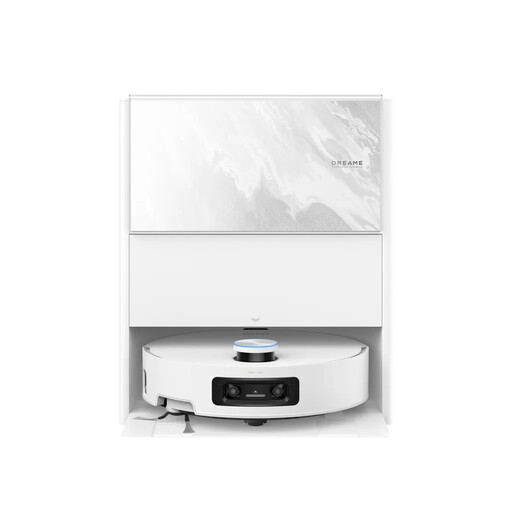
Why we recommend this product: The Dreame Aqua10 Ultra Track Complete integrates multiple advanced technologies for a fully automated cleaning process. Its cleaning station washes the mop with 100°C hot water, ensuring a hygienic clean. The extendable mop system improves edge cleaning, and its OmniSight AI Navigation recognises a wide range of objects.
Pros:
Who it's for: This device is aimed at users seeking the highest level of automation and hygiene. The hot water washing feature is especially beneficial for households with high hygiene standards, such as those with small children.
The models featured here represent the cutting edge of autonomous floor cleaning technology. If you are looking for devices with different specifications or in another price range, you can find a wider selection in our Robot Mops category.
The effectiveness of edge cleaning has improved significantly. While standard round robots often leave a small gap from the wall, premium models use specialised technologies. These include D-shaped bodies, extendable side brushes, or, as seen on the DJI ROMO P, mechanical arms that guide the mop and brush directly to the edge. This allows for a nearly seamless clean along baseboards and in corners.
Yes, these systems are particularly advantageous for homes with pets. High suction power (over 20,000 Pa) is crucial for effectively removing hair from carpets. The automatic self-emptying station prevents the robot's small dustbin from filling up mid-clean. Furthermore, anti-tangle brush systems, like ECOVACS's ZeroTangle, significantly reduce the need to manually clean the brush roll.
With hot water mop washing, the cleaning station heats the water used to wash the robot's mop pads (e.g., to 100°C on the Dreame model). Hot water can dissolve greasy and dried-on messes more effectively than cold water. This leads to a more hygienic cleaning result on hard floors. Afterwards, the mops are dried with hot air to inhibit the growth of bacteria and prevent odours.