
Lieferung heute & morgen

Qualitätsgarantie

Willkommens-Angebote freischalten: KOSTENLOSE Lieferung | Bis zu 80 % RABATT | Kostenlose 30-Tage-JoyPlus-Testphase
App herunterladen
A fully automated home assistant that vacuums, mops, and cleans itself sounds like the ideal solution for effortlessly spotless floors. However, the market for robot vacuums with mopping and auto-empty docks is filled with marketing claims that often fail to deliver in practice. Before you invest, it's crucial to understand the common pitfalls that can lead to disappointment and unnecessary expense.
As your Joybuy Product Recommendation Officer, I'm here to help you objectively evaluate technical specifications and make an informed decision. This guide focuses on the critical features that separate a high-performance robot vacuum from an inadequate one.
Many devices look impressive on paper, but their weaknesses only become apparent in daily use. Pay close attention to these three points to avoid a bad purchase:
To distinguish the best from the rest, you should focus on the following core parameters. These define the true performance and degree of automation of a modern device.
The robot's ability to move intelligently and safely through your home is fundamental.
The station is the centrepiece of a fully automated system. A self-cleaning robot vacuum is only as good as its base. Look for the following functions:
Powerful suction is only half the battle. The brush system must be able to effectively lift dirt.
Instead of presenting a generic list, we have selected models that solve specific problems and are designed to avoid the pitfalls mentioned earlier.
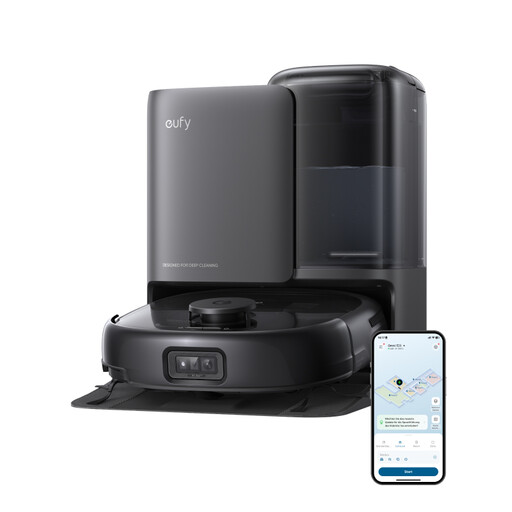
Why it's a great fit: This device is designed for demanding households. Its AI-powered obstacle detection reliably identifies toys and other small objects, while the tangle-free dual brushes and high suction power (20,000 Pa according to the manufacturer) effectively pick up pet hair.
The CornerRover arm is specifically designed for edge cleaning, solving the problem of unclean borders. The all-in-one station washes and dries the mops to prevent odour build-up.
The combination of DuroSpiral anti-tangle brushes and advanced AI object recognition makes it a reliable solution for homes where unexpected obstacles are a daily occurrence.
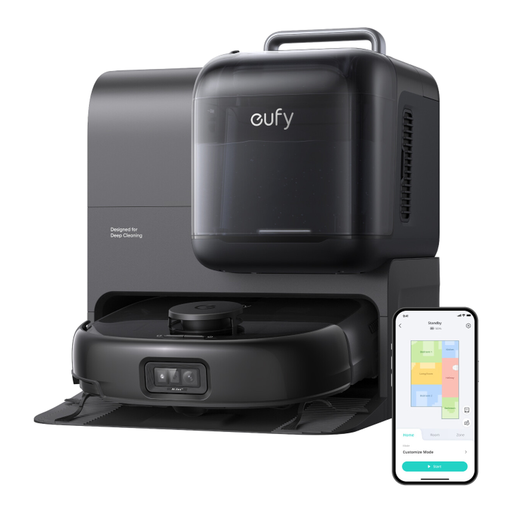
Why it's a great fit: The eufy Omni E28 expands on the E25's features with a crucial component: a detachable, portable deep cleaner. This allows you to tackle stubborn messes not only on floors but also on upholstery, carpet stains, or car interiors.
This model goes beyond the typical "all-in-one" definition. It addresses the fact that robot vacuums alone cannot clean upholstery and integrates this function directly into the ecosystem.
The integration of the portable deep cleaner eliminates the need for separate spot-cleaning devices, offering a comprehensive cleaning solution for the entire household in a single system.
We have compiled a complete, real-time updated list of products that fully meet these strict selection criteria and rigorous safety standards.
1. How often do the docking station's dust bag or water tanks need maintenance? The frequency heavily depends on the size of your home, the presence of pets, and how often you clean. In an average family home, a dust bag in the station can last 30 to 60 days. The fresh and dirty water tanks typically need to be emptied or refilled after a few full cleaning cycles.
2. Can a robot vacuum with mopping detect and avoid carpets? Yes, modern devices use ultrasonic sensors to identify carpeted floors. When the robot is in mopping mode, it will automatically lift its mop pads (if the feature is available) or avoid the carpeted area entirely to prevent it from getting wet. This is an essential feature for homes with mixed flooring.
3. Is the installation and setup process complicated? Usually not. The process involves choosing a suitable location for the station (with enough clearance on the sides), connecting it to power, and filling the water tank. You then connect the robot to your Wi-Fi network via a smartphone app. The app will then guide you step-by-step through the initial mapping of your home.