
Lieferung heute & morgen

Qualitätsgarantie

Willkommens-Angebote freischalten: KOSTENLOSE Lieferung | Bis zu 80 % RABATT | Kostenlose 30-Tage-JoyPlus-Testphase
App herunterladen
A robot vacuum can make everyday cleaning easier, but it won’t necessarily replace a conventional vacuum cleaner altogether. The key is choosing one whose navigation, brushes, battery life and maintenance suit your household. Families, people with busy working lives and pet owners in particular should check carefully which features they really need before buying.
Suction power in pascals describes the maximum suction pressure, but it isn’t the only measure of quality. Brush design, airflow, filters, ground clearance and cleaning route all affect the results too. A powerful robot vacuum with a high Pa rating may perform better on carpets, but it could also use more energy and be noisier during operation.
A robot vacuum with a mopping function spreads water using a cloth or rotating mop pads. This can be handy for dry dust and light everyday marks. Dried-on stains, larger spills and heavily soiled areas may still need to be cleaned by hand. Reliable carpet detection is important, as is sufficient mop-lifting height if you have a mix of floor types.
A robot vacuum with an auto-empty station can empty its dust container automatically. All-in-one stations also clean and dry the mop pads or refill the water tank. Even so, you’ll still need to check the filters, brushes, sensors, water tanks and dust container regularly. Consumables such as dust bags can add ongoing costs. Bagless stations avoid this particular expense, but need to be emptied by hand.
A robot vacuum with laser navigation uses LiDAR or DToF sensors to map your home and plan systematic cleaning routes. This is especially useful in larger homes, homes with several rooms and when setting virtual no-go zones. Gyroscope navigation may be enough for simple layouts, but generally offers less precise mapping.
Good obstacle detection should identify cables, slippers, toys and furniture legs. Even so, it’s best to clear loose items from the floor before starting the robot. No sensor can reliably prevent every tangle. For stairs, cliff sensors are important; raised areas should also be protected with a physical barrier.
If you’re choosing a robot vacuum for pet hair, look for a main brush that resists tangles, a suitable side brush and easy access for maintenance. Long hairs can collect around bearings or at the ends of brushes, even with anti-tangle systems. Check whether you can remove and clean the brush without tools.
If you have carpets, it’s also worth checking whether the robot has automatic carpet detection. Depending on the model, it may increase suction or lift the mop pad. Check the product information for details on carpet height and suitability for deep-pile carpets.
The stated runtime is usually a maximum and depends on the suction setting, floor type, room layout and whether mopping is in use. In larger homes, it’s handy if the robot can return to its charging dock and resume cleaning afterwards. Also check the robot’s height to make sure it can fit under sofas and cupboards.
The dock needs space too. For combined stations, leave the recommended clearance at the sides and in front. Make sure the clean and dirty water tanks are easy to reach. App controls such as schedules, no-go zones and room selection can make everyday use easier. Also check whether the robot supports your Wi-Fi band.
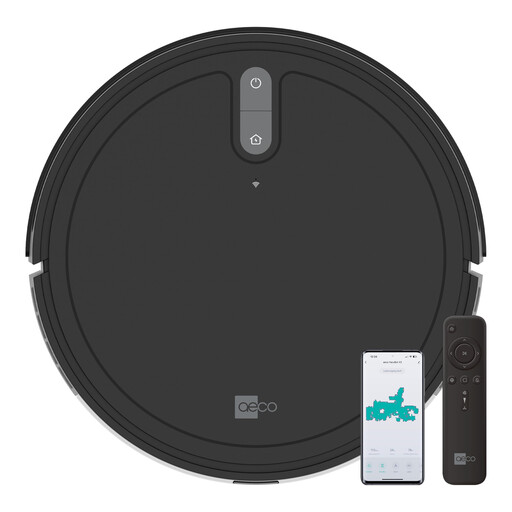
Why this product suits this household: The Aeco X3 combines 5,000 Pa suction power with gyroscope navigation, app and remote control, and a runtime of up to 190 minutes. It’s a good choice if you want everyday cleaning on autopilot without the extra features of a multifunction station.
Its three suction settings and 0.6-litre dust container make day-to-day use straightforward. There’s no separate auto-empty station to buy or maintain.
Up to 190 minutes’ runtime, a 77 mm height, app control and virtual boundaries.
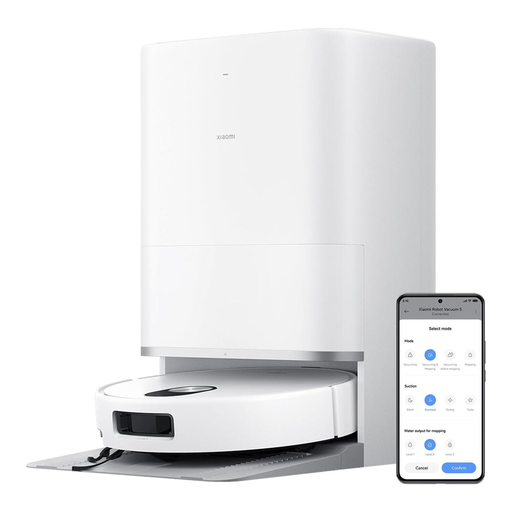
Why this product suits this household: This model combines 20,000 Pa suction power and LiDAR navigation with app and voice control, plus an all-in-one station that cleans the mop pads and dries them with warm air.
Its carpet detection lifts the mop pad by 15 mm, helping to reduce the risk of dampening carpets while mopping.
LiDAR mapping, automatic mop cleaning with water heated to around 80 °C, and a 2.5-litre dust bag.
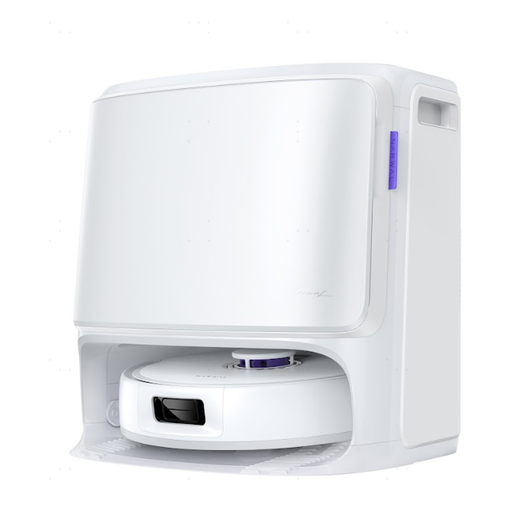
Why this product suits this household: This robot vacuum for pet hair offers 11,000 Pa suction power, anti-tangle brushes, laser navigation and obstacle sensors, as well as a station that washes, dries and empties the robot.
The dual anti-tangle brush tackles a common maintenance issue with hair. The station takes care of several cleaning tasks, but regular checks are still needed.
Up to 220 minutes’ battery life, a 2.5-litre dust bag, and systematic obstacle detection using LiDAR and other sensors.
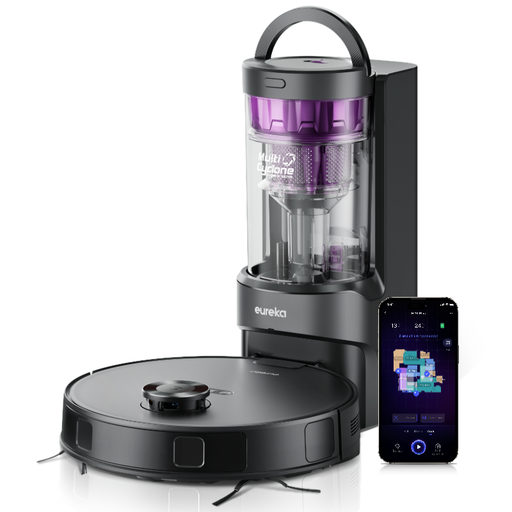
Why this product suits this household: Designed for hard floors and carpets, this model combines 8,000 Pa suction power and up to 180 minutes’ runtime with app control and a bagless station.
The 10 mm mop lift helps prevent carpets from getting wet. The bagless station means you won’t need to buy replacement dust bags regularly.
DuoDetect 3D obstacle detection, automatic carpet detection, and Alexa and Google Assistant control.
We’ve put together a complete, regularly updated list of products that meet these strict selection criteria and fully comply with the safety regulations in force in the EU.
It depends on how much dust builds up, the size of your home and whether you have pets. For many households, regular short cleaning cycles are more useful than occasional long runs. If you have pets, running the robot daily can help reduce visible hair, as long as you check the brushes and dust container regularly.
Its lifespan depends on the battery, brushes, filters, sensors and how often you use it. Keeping the charging dock dry and clean, replacing worn parts in good time and using the original accessories can make maintenance easier. Check the warranty and spare-parts terms with the seller before buying.
As well as electricity, you may need to pay for filters, brushes, mop pads, cleaning products and dust bags. Depending on the station system, a robot vacuum with an auto-empty station can have different ongoing costs from a model with a dust container that you empty yourself. Before buying, check which spare parts are available and how often the manufacturer recommends replacing them.