Homes with low furniture
If dust builds up under your sofa or sideboard, measure the lowest gap, including any crossbars, and compare it with the robot’s full height.


First, measure the lowest gaps beneath your furniture and the narrowest passages. A low profile alone doesn’t guarantee that a robot can reach every spot or avoid getting stuck. Then compare navigation and dust pickup. Automatic emptying can reduce the effort involved, but the station needs space. CHIP treats height, suction power and obstacle handling as separate factors, so a manufacturer’s height specification doesn’t tell you how reliably a device will clean your home.
If dust builds up under your sofa or sideboard, measure the lowest gap, including any crossbars, and compare it with the robot’s full height.
Between chair legs and closely spaced furniture, it’s important to consider how well the robot navigates rooms and whether it has a clear route back to its station.
If you regularly have your floors cleaned of dust, you can weigh the convenience of automatic emptying against the space needed for the station and the care it requires.
First check that the robot can reach the areas you want it to clean. Then compare its navigation, dust pickup and emptying requirements.
The percentages below relate to consumers choosing a robot vacuum to pick up dust every day in rooms with closely spaced furniture.
| Priority | What to check before buying | Who it matters most to |
|---|---|---|
| Fitting under furniture and through narrow gaps | Measure the lowest gap and the narrowest passages, then compare both with the full dimensions of the specific model. | If dust builds up under the sofa, I want to check both the gap and the access between the furniture legs. Around 33 % of consumers say these clearances are their main priority. |
| Navigating around closely spaced furniture | Check the navigation features of the specific model and, during its first mapping run, make sure it records the key routes and rooms. | If chairs and other objects narrow the route, I want to know whether the robot can find the areas I want cleaned and its way back to the station. Around 27 % of consumers put reliable navigation first. |
| Picking up dust from floors every day | Compare cleaning tests for your type of flooring. A single performance figure doesn’t tell you how well a robot picks up dust. | If the robot is going to pick up dust from my floors regularly, I look at the cleaning results on my flooring rather than relying on a performance figure alone. This is the main priority for around 27 % of consumers. |
| Emptying and maintenance | Compare the station’s dimensions, where you plan to put it and which consumables are available for the model. | If I want to empty the dust container by hand less often, I also need to allow space for the station and plan for its upkeep. Around 13 % of consumers put this convenience first. |
There may be enough vertical clearance beneath a piece of furniture, but the legs or crossbars could still make the entrance too narrow.
Measure the gap and the approach separately, then compare both with the full dimensions of the specific model.
A single manufacturer’s figure doesn’t tell you how much dust the robot will pick up from your floors. CHIP treats suction power and navigation as separate factors to assess.
Consider your flooring and how well the robot picks up dust rather than relying on a performance figure alone.
A blocked route back to the station can prevent the robot from docking. ECOVACS offers separate replacement and accessory kits for the DEEBOT T50 OMNI.
Measure the space for the station and keep the route back to it clear.
An automatic station needs space, so also check which consumables are compatible with your model.
Roborock lists a height of 7.98 cm for the Saros 10R and describes its StarSight-2.0 system. These specifications apply to this model.
ECOVACS lists a height of 81 mm for the DEEBOT T50 OMNI, along with LiDAR navigation, an extendable side brush and automatic emptying.
Dreame lists a height of 7.95 cm for the X50s Ultra and describes its mapping and camera-based obstacle avoidance features.
This selection includes robot vacuums for everyday floor cleaning, including models with features for navigating around furniture and, depending on the model, a low profile or automatic emptying.
 No image available
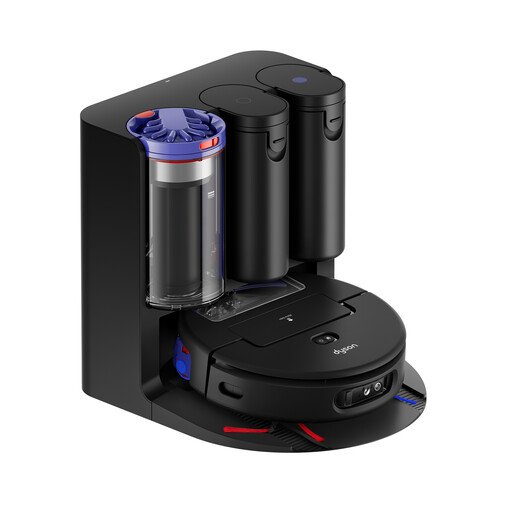
The listed LiDAR navigation and obstacle avoidance are useful for cleaning between furniture. Compare the stated height of 110 mm with the lowest gap beneath your furniture.
Up to 18,000 Pa suction power; listed as a wet and dry robot vacuum.
 No image available
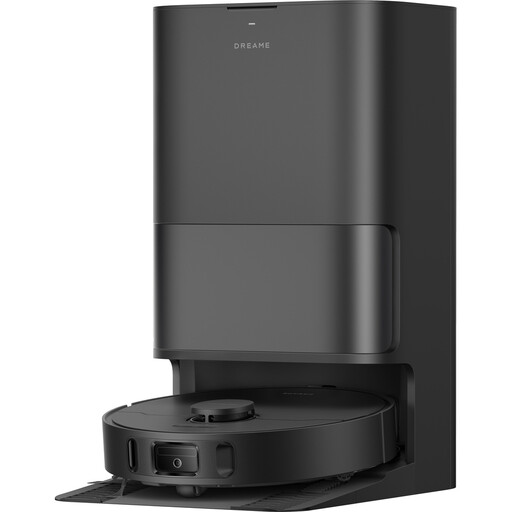
Its stated 8-cm profile may be useful when comparing it with low furniture, but measure the clearance in your home and allow some extra room.
25,000 Pa suction power; self-emptying and self-cleaning base station; 50 °C hot-air mop drying.
 No image available
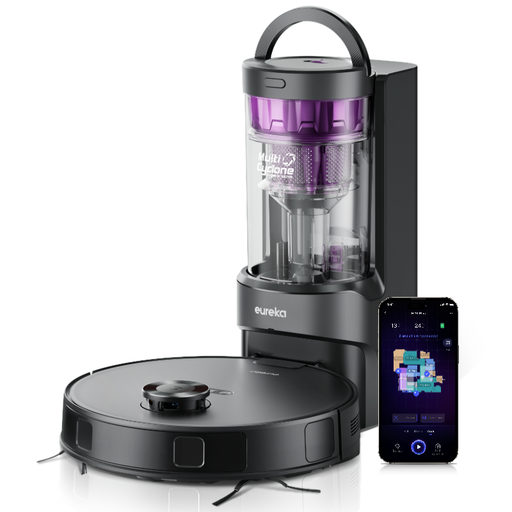
LiDAR navigation and 3D obstacle detection are useful for moving between furniture. According to the product description, app features require 2.4-GHz Wi-Fi.
8,000 Pa suction power; up to 180 minutes’ runtime; self-emptying station.
 No image available
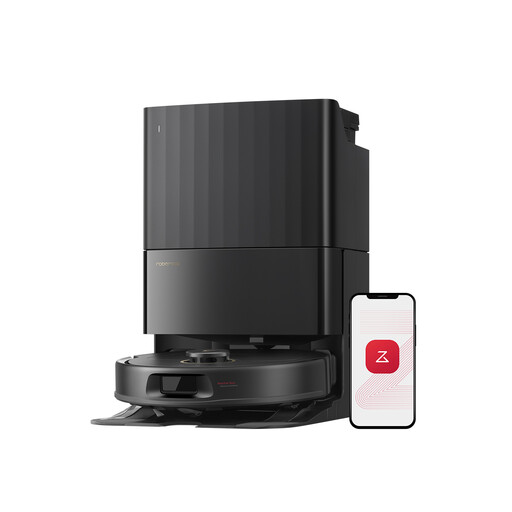
The listed navigation and obstacle detection features are useful for moving around furnished rooms. As no height is given here, check it before buying if you want the robot to fit beneath low furniture.
12,000 Pa suction power; station and dual anti-tangle system.
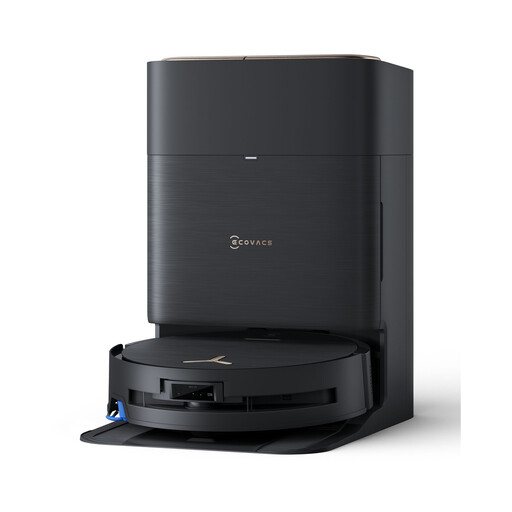 No image available
The listed AIVI 3D navigation and obstacle avoidance features are useful for navigating narrow routes between furniture. Check the height and clearances in your own home separately.
16,600 Pa suction power; OZMO roller mop and Omni station.
Measure the clearance at its lowest point, including beneath any crossbars, and compare it with the selected model’s full height. Allow some extra room: if the gap is only just higher than the robot, it could get stuck.
Let the robot create a map, then check that it can reach the areas you want cleaned and return to its station. For DEEBOT devices, ECOVACS recommends checking that the route back to the station isn’t blocked if the robot has trouble returning.
No. Automatic emptying can take care of emptying the robot’s dust container, but it doesn’t replace all maintenance. Keep the route to the station clear. ECOVACS also offers separate replacement and accessory kits for the DEEBOT T50 OMNI.
No. A single Pascal figure doesn’t prove how well a model will pick up dust from your floors. Consider your flooring and the robot’s dust pickup. CHIP treats suction power and navigation as separate factors to assess.
When monitoring the market, the German Federal Network Agency checks for things including correct CE marking, identifiable product and manufacturer details, a German instruction manual and a declaration of conformity. A product page alone doesn’t prove that a specific device has already been checked.