
Lieferung heute & morgen

Qualitätsgarantie

Willkommens-Angebote freischalten: KOSTENLOSE Lieferung | Bis zu 80 % RABATT | Kostenlose 30-Tage-JoyPlus-Testphase
App herunterladen
The idea is appealing: a single device that not only vacuums but also mops and then cleans itself. A robot vacuum with a mopping function and a self-empty station promises just that—a high degree of autonomy and significant time savings in your household. However, the market is filled with devices whose marketing promises often exceed their actual performance. Before you buy a robot vacuum, it's crucial to know the most common pitfalls to make an informed decision.
As your Joybuy Product Recommendation Officer, I'll help you understand the technical specifications and identify the features that truly matter for a durable and effective cleaning assistant.
Many devices look impressive on paper, but their weaknesses quickly become apparent in practice. Pay close attention to these three points to avoid disappointment:
To separate the wheat from the chaff, you should focus on the technical fundamentals. These three parameters largely determine the performance and reliability of your device.
A robot's ability to move intelligently and systematically through your home is fundamental.
The station is the brain of the autonomous system. Pay attention to the details of the self-cleaning functions.
Mechanical cleaning is just as important as suction power.
Based on the criteria above, we have identified a few models that represent a considered choice for different needs and households.
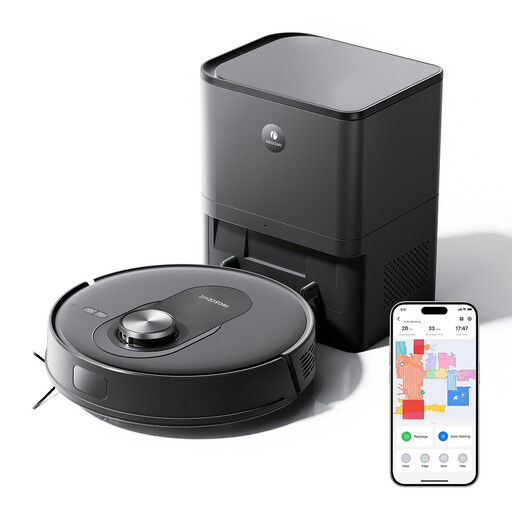
Why It's a Good Fit: Ideal for users looking for a reliable all-in-one solution without breaking the bank. It provides a solid foundation for automated cleaning with the essential features for daily use in apartments or smaller homes.
The LiDAR navigation ensures systematic cleaning, avoiding the pitfall of uncoordinated routes. The self-empty station with a dust bag is straightforward and hygienic to maintain.
Offers good suction power of 5000 Pa for hard floors and low-pile carpets. The long battery life of up to 200 minutes is also suitable for larger areas.
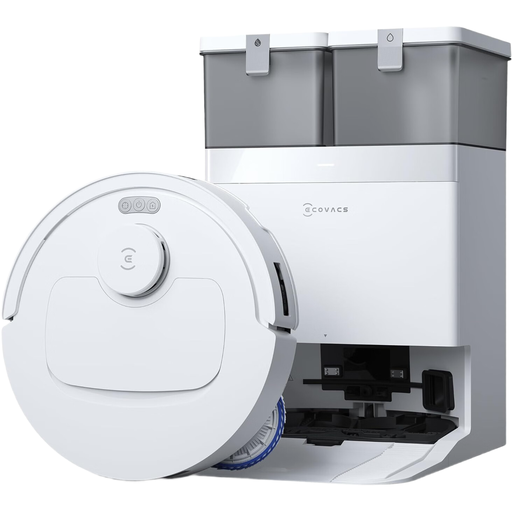
Why It's a Good Fit: Designed for the challenges of homes with pets. The combination of very high suction power, advanced anti-tangle technology, and hygienic hot water mop washing effectively tackles pet hair, dirt, and odours.
The ZeroTangle 3.0 technology with its special brush structure minimises hair tangles. The 75°C hot water mop washing and hot air drying in the station effectively prevent germ growth and odours—a direct counter to the maintenance pitfall.
According to the manufacturer, it has a very high suction power of 20,000 Pa for deep cleaning. The TruEdge 2.0 edge cleaning ensures cleanliness right up to the baseboards, solving the problem of dirty edges.
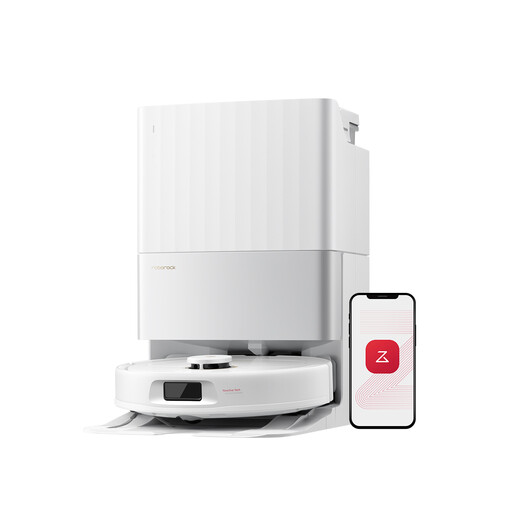
Why It's a Good Fit: For users who value innovative technology and maximum efficiency. This model combines intelligent navigation with advanced mechanical solutions for a thorough clean on both hard floors and carpets.
The FlexiArm mops actively extend to reach corners and edges, solving one of the biggest problems with robot vacuums. The dual rubber brush is effective against hair tangles.
Strong suction power of 12,000 Pa according to the manufacturer. In addition to self-emptying, the station also offers hot air drying for the mops. Intelligent obstacle avoidance ensures smooth operation.
We've compiled a complete, up-to-date list of products that fully meet these strict selection criteria and quality standards.
1. How often does a robot vacuum's self-empty station need to be maintained? Maintenance intervals depend on the model and usage. Dust bags in the station typically need to be replaced every 30 to 90 days, depending on their size and the amount of debris collected. The fresh and dirty water tanks need to be emptied or refilled every few days with regular mopping. It is recommended to clean the station itself, especially the charging contacts and sensors, monthly with a dry cloth to ensure optimal function.
2. Can a robot vacuum with a mopping function damage carpets? Modern, high-quality devices are equipped with automatic carpet detection. When the robot detects a carpet, it lifts its mopping pads (typically by 7 to 12 mm) or stops the water supply and only vacuums over it. This prevents carpets from getting wet or dirty. You should look for this feature when buying if you have mixed floor types.
3. Is a high Pascal (Pa) number always an indicator of better cleaning performance? Not exclusively. While high suction power (measured in Pascals) is beneficial for picking up deep-seated dirt, especially from carpets, the overall cleaning performance depends on several factors. These include the design of the main and side brushes (e.g., tangle-free rubber brushes for pet hair), the efficiency of the navigation path, and the quality of the filter system. A device with a well-designed overall system can be more effective than a model that only boasts a high Pa value.