
Lieferung heute & morgen

Qualitätsgarantie

Willkommens-Angebote freischalten: KOSTENLOSE Lieferung | Bis zu 80 % RABATT | Kostenlose 30-Tage-JoyPlus-Testphase
App herunterladen
A robot vacuum can make daily floor care much easier. However, not every model will automatically mean less work around the home. Buyers often focus only on the stated suction power or long battery life, overlooking important factors such as navigation, carpet detection, maintenance and the station’s actual features.
This guide explains what households in the UK should consider when buying a robot vacuum, and which models suit different needs.
The Pascal rating describes the appliance’s maximum suction pressure. However, it doesn’t tell you everything about how well a robot vacuum picks up dirt. The brush design, airflow, filter, clearance from the floor and automatic power adjustment all affect the results.
A robot vacuum with strong suction can be an advantage on carpets. For pet hair, you’ll also want a main brush that’s less prone to tangling and easy to access for maintenance.
A robot vacuum with a mopping function is best suited to light dust and everyday marks. A simple damp cloth won’t necessarily replace a thorough manual clean. So check the type of mopping system, how it dispenses water and whether the mop lifts when the robot moves onto carpets.
If you’re considering a robot mop, also check whether the station simply stores the mop or actually washes and dries it. These features have a direct impact on how much maintenance is needed.
App control, schedules and virtual no-go zones are useful. But they only work reliably if the robot can identify rooms correctly and navigate around obstacles appropriately. Cables, socks, toys and low furniture can still cause problems, even with modern sensors.
Before buying, check whether the model uses LiDAR, DToF, a gyroscope or a combination of sensors.
For many households, moderate suction is enough for hard floors. Carpets, larger debris and pet hair demand more. Ratings such as 5,500 Pa, 8,000 Pa, 12,000 Pa or 20,000 Pa make it possible to compare models technically, but should always be considered alongside the brush design.
Look for:
A robot vacuum for pet hair shouldn’t just have strong suction; it should also have a brush that’s easy to clean.
LiDAR navigation uses a laser to create maps and plan systematic cleaning routes. DToF and optical sensors can provide additional help with obstacle detection. A gyroscope is a simpler navigation option, which may produce less accurate room maps depending on your home’s layout.
Before buying, check:
A robot vacuum with an auto-empty station can reduce the need to empty the dust container by hand. Depending on the model, the station uses dust bags or a bagless container. Dust bags involve ongoing costs, while bagless systems need to be emptied and cleaned regularly.
If you’re looking for a self-cleaning robot vacuum, consider these details:
Bear in mind that a station doesn’t take care of every maintenance task. Brushes, sensors, filters and water tanks still need to be checked in line with the manufacturer’s instructions.
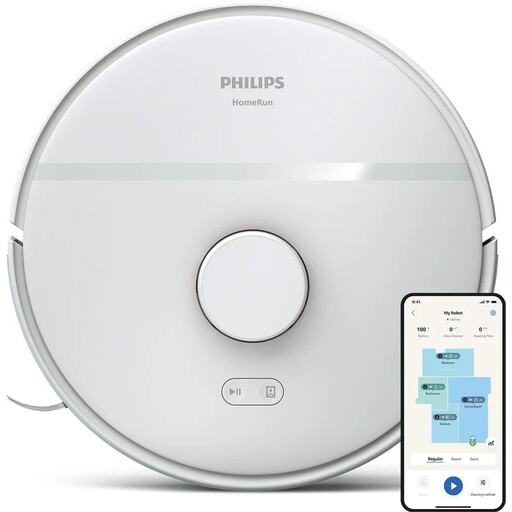
Why this product suits this profile: This model offers 6,000 Pa suction power, up to 120 minutes of run time, Wi-Fi connectivity and app control for scheduled cleaning.
The specifications clearly state the suction power, run time, container capacity and filter type. This makes it easier to assess the features before you buy.
0.38-litre dust container, EPA filter, Alexa compatibility and a height of 97 mm.
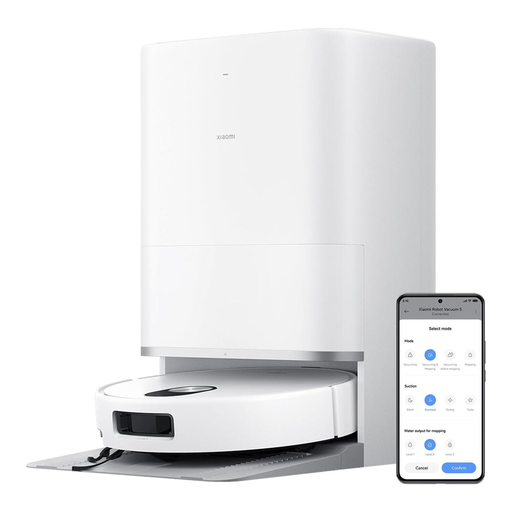
Why this product suits this profile: LiDAR navigation, 20,000 Pa suction power and an all-in-one station make this a good fit for homes with different floor types and a preference for greater automation.
According to the product details, carpet detection raises the mop attachment by 15 mm. This reduces the risk of the robot going over carpets with a wet mop.
LiDAR mapping, app and voice control, automatic dust emptying, and mop cleaning with water heated to around 80 °C, according to the product description.
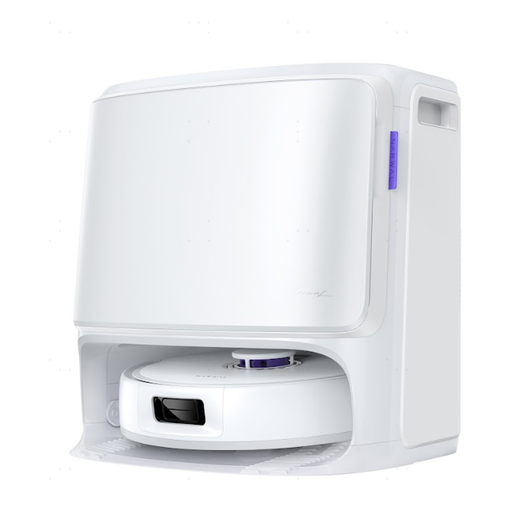
Why this product suits this profile: Pet owners and frequent users get 11,000 Pa suction power, anti-tangle brushes, 220 minutes of battery life and a station that washes, dries and empties the robot.
The dual anti-tangle design tackles one of the common causes of maintenance when dealing with hair. Even so, you should check the brushes regularly.
LDS-LiDAR navigation, a 2.5-litre dust bag and a stated run time of up to 220 minutes.
We’ve put together a comprehensive, regularly updated list of products that meet these strict selection criteria and fully comply with the safety regulations in force in the EU.
Its lifespan depends on how often it’s used, how well it’s maintained, battery quality and the availability of spare parts. Filters, side brushes, main brushes and mop pads are all wear-and-tear parts. Clean the sensors and brushes regularly, and don’t leave the robot running with a blocked airflow path.
Its energy use comes from cleaning and charging cycles. The actual cost depends on the appliance’s power, the size of your home, how often it cleans and your electricity tariff. A longer battery life doesn’t automatically mean higher energy use, as many models switch to standby mode once charged.
An auto-empty station can be useful in larger homes, family households and homes with pets, as you won’t need to empty the dust container by hand as often. However, remember to factor in the ongoing cost of dust bags or cleaning products, as well as the extra space needed for the station.