
Lieferung heute & morgen

Qualitätsgarantie

Willkommens-Angebote freischalten: KOSTENLOSE Lieferung | Bis zu 80 % RABATT | Kostenlose 30-Tage-JoyPlus-Testphase
App herunterladen
The idea is enticing: a robot that not only vacuums but also hygienically mops your floors with hot water and then cleans itself. Modern robot vacuums with hot water mopping functions promise exactly that. However, the market is flooded with devices whose advertised features often fail to deliver in practice. Before you invest a significant amount of money, it's crucial to separate the wheat from the chaff. This guide will walk you through the most common pitfalls and the critical technical features you need to look for.
Many high-end devices advertise advanced features that, upon closer inspection, have significant flaws. Pay close attention to these three points to avoid disappointment:
To avoid making a poor purchase, base your decision on objective technical parameters. The following three features are crucial for the performance and convenience of a robot vacuum and mop.
Water at 55°C or higher can dissolve grease and stubborn dirt far more effectively than cold or lukewarm water. High-end models even offer temperatures up to 75°C and intelligently adjust them based on the level of dirt detected. Check the exact specifications for water temperature and verify that it's also used for washing the mop in the cleaning station. This is a clear indicator of a well-engineered and effective cleaning performance.
The ability to thoroughly clean edges and corners is what separates good devices from great ones. Look for technologies that physically extend into these areas. One example is an extendable mopping arm that purposefully moves the rotating mop beyond the edge of the robot's chassis. Systems like TruEdge allow the robot to clean with millimetre precision along walls and furniture, leaving a visibly cleaner result throughout the entire room.
An all-in-one robot vacuum should reduce manual effort to an absolute minimum. A high-quality robot vacuum with an auto-empty station offers more than just dust collection. Indispensable features include:
Only when all these functions work together reliably do you get the convenience you expect from a premium device.
Based on the criteria mentioned, we have curated a selection of devices that are particularly well-suited for specific user profiles.
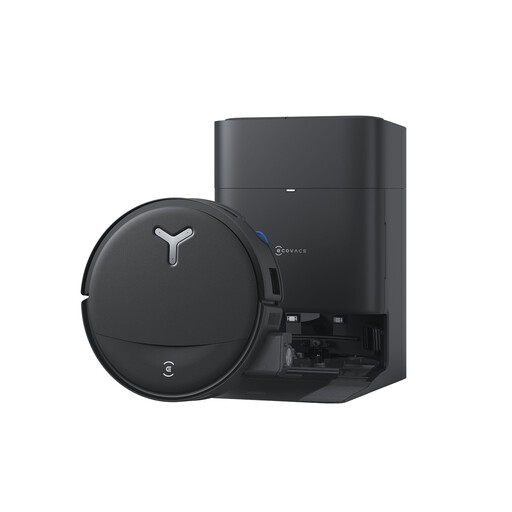
Why it's a good fit: This model is designed for households seeking a nearly fully autonomous cleaning solution. It combines high suction power with an advanced hot-water mopping and self-cleaning station, making it ideal for busy professionals and families.
The station washes the mop with intelligently controlled hot water (40–75°C). The TruEdge 3.0 technology ensures precise edge cleaning, and the all-in-one station dries the mop with hot air to prevent odours.
The combination of OZMO ROLLER 2.0 scrubbing technology and AI Stain Detection 2.0 enables intelligent, on-demand deep cleaning of stubborn stains.
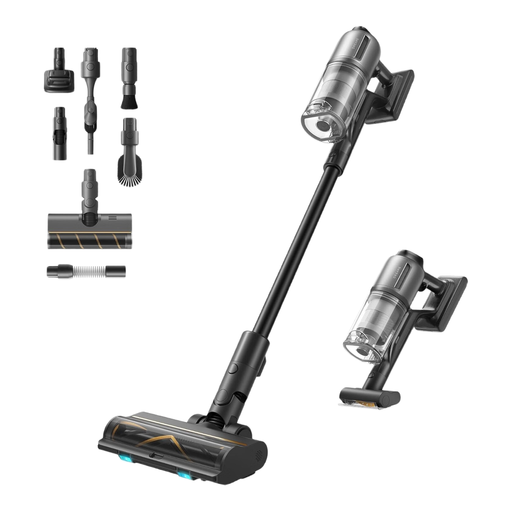
Why it's a good fit: As a complement to a robot vacuum, this powerful cordless vacuum is ideal for the targeted removal of pet hair from upholstery, stairs, or in the car—areas that are difficult for a robot to access.
This device solves the problem of "missed spots" by providing a flexible and powerful solution for manual spot-cleaning and detailing that complements a fully automated system.
The high suction power of 310 AW and the specialised pet hair attachment enable efficient and effortless removal of hair and deep-seated dirt from a wide variety of surfaces.
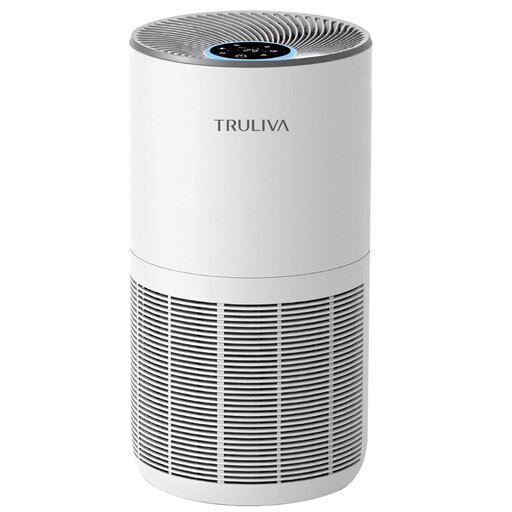
Why it's a good fit: For a holistically clean home, this air purifier complements floor cleaning by filtering allergens, fine dust, and pet dander from the indoor air. It's ideal for allergy sufferers and anyone who values high air quality.
While a robot vacuum cleans the floor, this device addresses the "invisible dirt" in the air. It creates a more comprehensive level of hygiene that goes beyond simple floor care.
The high Clean Air Delivery Rate (CADR 450 m?/h) combined with an H13 HEPA filter ensures the rapid and effective removal of 99.97% of particles as small as 0.3 microns.
We have compiled a complete, up-to-date list of products that fully meet these strict selection criteria and all relevant safety standards.
Yes, the higher water temperature helps reduce surface tension and liquefy grease, as well as oily and dried-on substances (like coffee stains). This allows the mop to absorb and remove dirt more easily, leading to a more hygienic and thorough cleaning result.
The frequency depends on the size of the area to be cleaned and the selected mopping intensity. A high-quality station has a large clean water tank (often 4 litres or more), which is typically sufficient for several complete cleaning cycles in an average-sized home (approx. 80–100 m?). Under normal use, you may only need to refill it every few days or once a week.
Modern robot vacuums with extendable mops or special side brushes achieve excellent cleaning performance along baseboards. They can remove dirt and dust to within a few millimetres of the edge. However, 100% coverage, like you would get with manual cleaning, cannot always be guaranteed, especially in very tight corners or along uneven baseboards. Nevertheless, the technology represents a significant improvement over standard models.