
Lieferung heute & morgen

Qualitätsgarantie

Willkommens-Angebote freischalten: KOSTENLOSE Lieferung | Bis zu 80 % RABATT | Kostenlose 30-Tage-JoyPlus-Testphase
App herunterladen
The search for a robot vacuum that not only vacuums but also hygienically mops floors leads many to models with a mopping function. However, the results are often disappointing. A damp cloth dragged across the floor frequently just spreads stubborn dirt and greasy stains instead of removing them. The latest generation of devices promises a solution: robot vacuums with hot water mopping. But before you make a purchasing decision, it's crucial to understand the common pitfalls that can compromise the performance of even the most expensive models.
Many users invest in a premium device only to find that its cleaning performance declines after just a few weeks. The reasons are often the same:
Understanding the core technologies that solve these problems is essential for making a satisfying choice.
To avoid the aforementioned weaknesses, you should pay attention to three technical parameters when selecting a robot vacuum with a mopping function. These features are the difference between a superficial clean and truly deep, automated floor care.
The ability to clean with hot water is a game-changer. Water at a temperature above 60°C dissolves grease, oils, and dried-on stains far more effectively than cold water. Pay attention to how the device handles edge cleaning. Some models feature extendable mops (robot mop with edge cleaning) that actively move towards walls and obstacles to ensure near-seamless coverage. Equally important is the station's self-cleaning capability: a high-quality robot vacuum with a self-emptying and self-cleaning station should not only wash the mops with hot water but also dry them with hot air afterwards to prevent mould and odour build-up.
Suction power, measured in Pascals (Pa), is an indicator of the robot's ability to pull dirt from carpet fibres and crevices. A high-suction robot vacuum (over 10,000 Pa) is particularly relevant for households with carpets or pets. However, high power is of little use if the brush is blocked. Look for specialised anti-tangle technologies. Some manufacturers integrate blades or special bristle-comb systems that actively cut and direct hair into the dustbin during the cleaning process. This is an indispensable feature for any robot vacuum for pet hair.
Modern robot vacuums use more than just Laser Distance Sensors (LDS). A robot vacuum with AI obstacle avoidance uses cameras and algorithms to identify and intelligently navigate around objects like shoes, cables, toys, or pet waste. This not only prevents the robot from getting stuck but also stops it from spreading dirt or liquids around the house. Precise navigation is the foundation for efficient and complete cleaning, especially in complex living spaces.
Based on these criteria, we have curated a selection of devices suited for specific user profiles and their requirements.
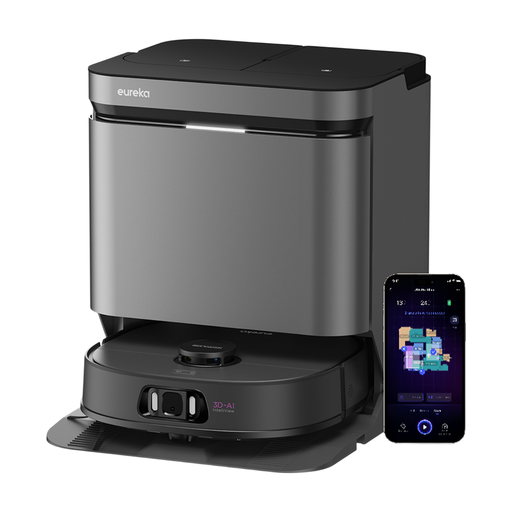
Why this model fits: Perfect for users who demand the highest standards of cleanliness on hard floors. The combination of hot water, extendable mops, and a fully automated station ensures a deep, hygienic clean, especially in kitchens and entryways.
The ScrubExtend technology with extendable mops solves the problem of ineffective edge cleaning. The station cleans the mops with 75°C hot water and then dries them, preventing odour and bacteria build-up.
The fully automated maintenance, including hot water mop washing and drying, offers a high level of convenience and hygiene. The 16,200 Pa suction power also ensures thorough carpet cleaning.
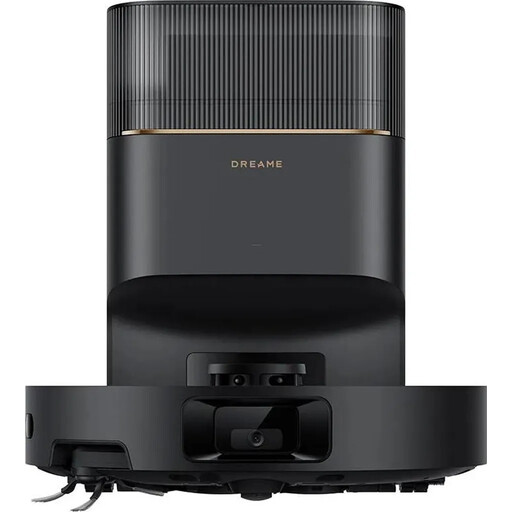
Why this model fits: Designed for households with pets, where pet hair is a daily challenge. The focus is on low-maintenance, powerful suction and a brush that doesn't get tangled.
According to the manufacturer, the HyperStream Detangling DuoBrush is 100% tangle-free, solving the core problem of wrapped hair. The large 5-litre dust bag in the station allows for up to 150 days of use without manual emptying.
The combination of a tangle-free dual brush and a long autonomous operating time makes this model exceptionally low-maintenance. The Vormax suction power of 13,000 Pa is designed to pick up pet hair on all floor types.
Why this model fits: For users in complex homes with lots of furniture and everyday objects. The intelligent navigation and dirt detection optimise the cleaning process and ensure a seamless result without constant intervention.
According to the manufacturer, the IntelliView AI Dirt Detection recognises and classifies over 150 types of dirt and obstacles. This prevents the robot from getting stuck on cables or shoes and ensures uninterrupted cleaning.
The combination of AI-powered navigation and FlexiRazor Anti-Tangle technology offers high operational reliability. The high suction power of 16,200 Pa also handles demanding cleaning tasks on various surfaces.
We have compiled a complete, up-to-date list of products that fully meet these strict selection criteria and rigorous safety standards.
Maintenance intervals depend on the model and frequency of use. For most devices with a fully automated station, you only need to refill the clean water tank and empty the dirty water tank every 1-2 months. The dust bag in the self-emptying station needs to be replaced approximately every 60 to 150 days, depending on its size and the amount of dirt collected. Regular cleaning of the station's base plate and the robot's sensors is also recommended to ensure optimal performance.
High suction power is advantageous, especially for deep cleaning carpets. However, it is not the only decisive factor. The design of the brush roll, the effectiveness of the edge cleaning, and the navigation intelligence are just as important for the overall result. In practice, a robot with moderate suction power but an excellent anti-tangle brush and precise navigation can deliver better results than a pure powerhouse with poor software.
Reliability in the dark depends on the technology used. Systems that rely solely on RGB cameras can struggle in low-light conditions. However, advanced models combine cameras with structured light or infrared sensors. These technologies enable reliable detection of obstacles even in poorly lit rooms or at night. Check the manufacturer's specifications to ensure the device is suitable for your lighting conditions.