
Lieferung heute & morgen

Qualitätsgarantie

Willkommens-Angebote freischalten: KOSTENLOSE Lieferung | Bis zu 80 % RABATT | Kostenlose 30-Tage-JoyPlus-Testphase
App herunterladen
A robot vacuum that not only vacuums but also mops and then cleans itself promises to be a significant time-saver in any household. However, the market is flooded with models making grandiose marketing claims that often fail to deliver in practice. Before you make a purchase, it's crucial to understand the common pitfalls and know which technical features truly matter.
As your Joybuy Product Recommendation Officer, I'm here to help you separate the wheat from the chaff. In this guide, we'll highlight the essential criteria for a reliable robot vacuum and mop with an auto-empty dock.
Many devices look impressive on paper, but their weaknesses quickly become apparent in daily use. Pay close attention to these three points to avoid a poor investment:
To avoid the problems mentioned above, you should look for specific technical characteristics when making your choice. These features are what separate a premium model from an average device.
The quality of the all-in-one station is just as important as the robot itself. A high-quality station automates maintenance and ensures hygienic cleanliness.
Modern robot vacuums use a combination of sensors to navigate. However, it's the interplay with the mechanical design that ensures a flawless result.
Based on the criteria above, we have identified a model that stands out from the crowd with its thoughtful engineering solutions.
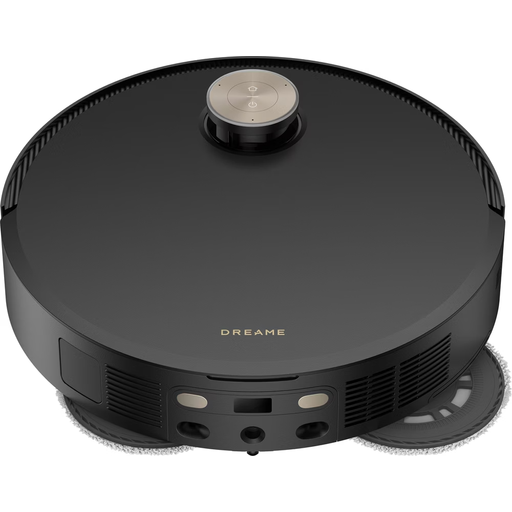
Why it's a great fit: Ideal for users seeking maximum automation and the most advanced cleaning technology to reduce time spent on floor care to an absolute minimum. It's aimed at households with complex layouts, pets, and high standards of hygiene.
The Dual-Flex-Arm technology extends both the side brush and the mop to clean corners and edges with precision. The station cleans the mops with 80°C hot water and then dries them, preventing odours and bacteria. According to the manufacturer, the ProLeap system allows it to overcome obstacles up to 6 cm high.
The combination of high climbing ability, extendable cleaning elements, and a hygienic hot-water cleaning station addresses the most common weaknesses of robot vacuum-mops. Its suction power of up to 20,000 Pa is designed to pick up fine dust and pet hair.
The technology of retractable components, as used in the Dreame X50 Master, enhances functionality in many areas of the home. Discover our selection of products that leverage this clever design principle.
The frequency heavily depends on the size of your home, how often you clean, and whether you have pets. With average use, the dust bag typically needs to be replaced every 30 to 60 days. Modern devices like the Dreame X50 Master, which uses a 3.2-litre dust bag, will notify you via the app when it's time for a change.
For daily maintenance cleaning, high-quality models can largely replace manual mopping. Devices with hot-water washing and rotating mops are very effective at removing fresh spots, dust, and light dirt. For old, dried-on, or particularly stubborn messes, an occasional manual clean-up may still be necessary.
The ability to overcome obstacles varies greatly between models. While basic robots often give up at thresholds as low as 1.5 cm, advanced devices are specifically designed for it. According to manufacturers, models with technologies like the ProLeap system are capable of crossing obstacles and door thresholds up to 6 cm high, which is sufficient for most homes. Check the manufacturer's specific claims before purchasing.