
Lieferung heute & morgen

Qualitätsgarantie

Willkommens-Angebote freischalten: KOSTENLOSE Lieferung | Bis zu 80 % RABATT | Kostenlose 30-Tage-JoyPlus-Testphase
App herunterladen
A robot vacuum that not only vacuums but also mops and then cleans itself in its station—the promise of a nearly autonomous home assistant is alluring. However, the market is flooded with models whose marketing terms often obscure more than they clarify. Before you make an investment, it's crucial to separate the wheat from the chaff. This guide will help you identify the key features and avoid common purchasing pitfalls.
Many devices look impressive on paper but prove to be high-maintenance or ineffective in daily use. Pay close attention to these three points to avoid disappointment:
To make the right decision, you should focus on the technical fundamentals that ensure reliable and thorough cleaning.
A robot's ability to move intelligently and efficiently through your home is fundamental. Two technologies are crucial here:
A robot vacuum and mop with a cleaning station can do much more than just empty the dustbin. The differences in functionality are significant and determine how much manual work is taken off your hands:
A high Pascal value alone is useless if hair clogs the brush. For households with pets, a robot vacuum for pet hair with an anti-tangle system is essential. Look for rubberised main brushes or special brush designs that feed hair directly into the suction stream. Equally important is carpet detection: the robot should automatically recognise carpets, increase suction power, and lift its mop pads to avoid soaking them.
Based on the objective criteria above, we have identified several models that represent a smart choice for specific user profiles.
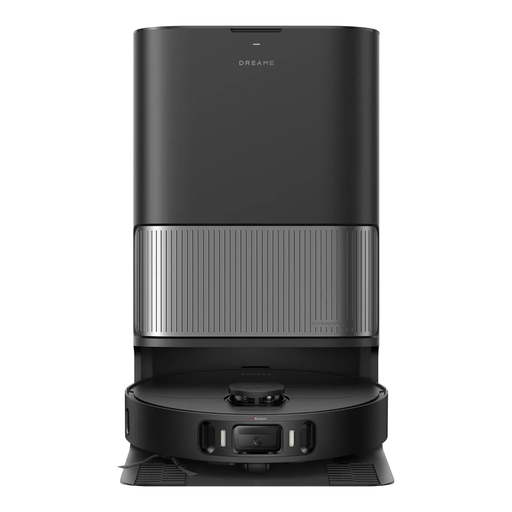
Why This Fits Their Persona: This model is aimed at users seeking the highest level of automation and cleaning performance. It combines advanced navigation with a fully-featured station for minimal manual intervention.
The combination of LDS laser distance measurement and 3D structured light bypasses the pitfall of inadequate navigation. The station, with its 75°C hot water mop cleaning and hot air drying, addresses the problem of high-maintenance and unhygienic stations.
The MopExtend technology, where the mop extends to clean edges, ensures more thorough coverage. Automatic dirt detection triggers a second cleaning pass if needed.
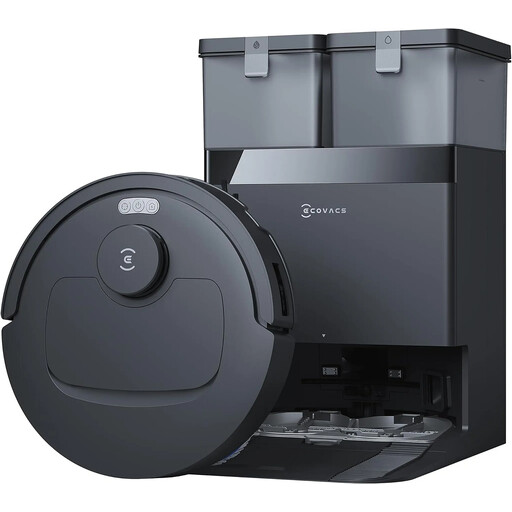
Why This Fits Their Persona: For pet owners, high suction power and an effective brush system that doesn't constantly need to be cleared of hair are crucial. This model is designed for that purpose.
The ZeroTangle 3.0 technology actively prevents hair from tangling in the brush, thus avoiding the high-maintenance trap. The high suction power of 25,000 Pa (according to the manufacturer) is not just a number but is effectively transferred to the floor by the brush system.
The TruEdge edge cleaning technology ensures cleanliness right up to the baseboards. The OMNI station handles all maintenance, including mop washing and drying, maximizing convenience for busy pet owners.
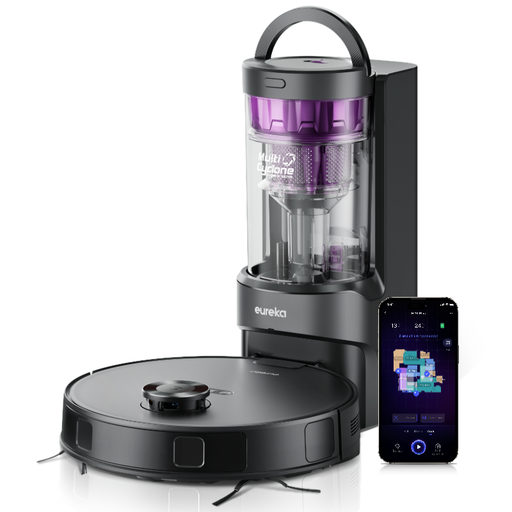
Why This Fits Their Persona: Those who want the benefits of a fully automatic station but don't want to pay the premium price will find a balanced solution here. This model offers high-end core features at a more accessible price point.
The bagless auto-empty station bypasses the trap of recurring costs for dust bags. The DuoDetect AI 3D obstacle avoidance provides more reliable navigation than basic models and prevents the robot from getting stuck.
The intelligent 10mm mop lifting on carpets is a feature often found only on more expensive devices. The long battery life of up to 180 minutes (according to the manufacturer) is also suitable for larger living spaces.
We have compiled a complete, real-time updated list of products that fully meet these strict selection criteria and UK safety regulations.
This largely depends on the model and usage. For stations with dust bags, the bag needs to be changed every 30 to 90 days, depending on the size of your household and the amount of dirt. The clean and dirty water tanks usually need to be emptied or refilled every few days or after several cleaning cycles. Regular cleaning of the station itself, especially the mop washing plate, is recommended every few weeks to prevent build-up and odours.
Modern robot vacuum and mop combos, especially those with rotating mops, high pressure, and hot water cleaning, achieve excellent cleaning performance on everyday dirt and light stains. They can largely replace regular manual mopping for maintaining basic cleanliness. However, for heavily dried-on or sticky messes, manual spot treatment may still be necessary.
The reliability depends directly on the technology used. Basic models with infrared sensors often struggle with low-lying objects like charging cables or socks. Advanced systems with LiDAR combined with 3D structured light or AI-powered camera detection are significantly superior. They can reliably identify and navigate around a wide variety of objects, greatly reducing the need to clear the floor before cleaning. However, no system can guarantee 100% error-free performance.