
Lieferung heute & morgen

Qualitätsgarantie

Willkommens-Angebote freischalten: KOSTENLOSE Lieferung | Bis zu 80 % RABATT | Kostenlose 30-Tage-JoyPlus-Testphase
App herunterladen
A robot vacuum and mop with a fully automatic cleaning station promises the ultimate in convenience: floors that practically clean themselves while you spend your time on more important things. However, the market is flooded with models whose marketing promises often suggest more than the technology delivers in everyday use. Before you make an investment, it's crucial to understand the common pitfalls that can lead to disappointment and unnecessary expense.
As your Joybuy Product Recommendation Officer, I'll help you separate the wheat from the chaff. We'll highlight the critical features that define a truly autonomous cleaning assistant and show you what to look for to make an informed decision.
Many devices look impressive on paper, but their weaknesses quickly become apparent in practice. Pay close attention to these three points to avoid a bad purchase:
To objectively evaluate a model's performance, you should focus on technical specifications that have a direct impact on the cleaning result and user convenience.
A robot vacuum and mop with self-cleaning should have a station that reliably automates multiple tasks. Look for the following features:
The robot's ability to move intelligently and safely through your home is fundamental.
The main brush is the heart of the vacuum's suction performance.
Based on the criteria above, we have identified a few models that are particularly well-suited for specific user profiles.

Why it's a good fit: The combination of high suction power at 25,000 Pa (according to the manufacturer) and ZeroTangle 3.0 technology is designed to tackle the challenges of pet hair and deep-seated dirt in large households. The long battery life of up to 180 minutes allows for cleaning large areas in a single run.
The ZeroTangle 3.0 system specifically addresses the problem of tangled hair, while the TruEdge 2.0 technology minimises inadequate edge cleaning. The OMNI station with 75°C hot water mop washing and hot air drying reduces maintenance effort.
Specialised anti-hair technology combined with a comprehensive and fully automatic cleaning station for maximum autonomy.
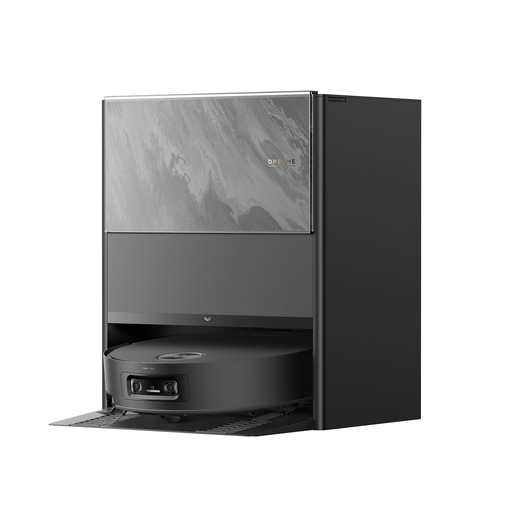
Why it's a good fit: For users who value innovative technology. The TripleUp chassis with retractable legs allows it to overcome obstacles up to 6 cm high. The base station cleans the mop with 100°C hot water, setting a high standard for hygiene.
The advanced obstacle traversal and precise LiDAR navigation minimise the risk of the robot getting stuck. The fully automatic station with 100°C cleaning and hot air drying effectively combats the pitfall of a high-maintenance station.
Unique obstacle traversal with retractable legs and exceptionally hygienic mop cleaning with 100°C hot water.
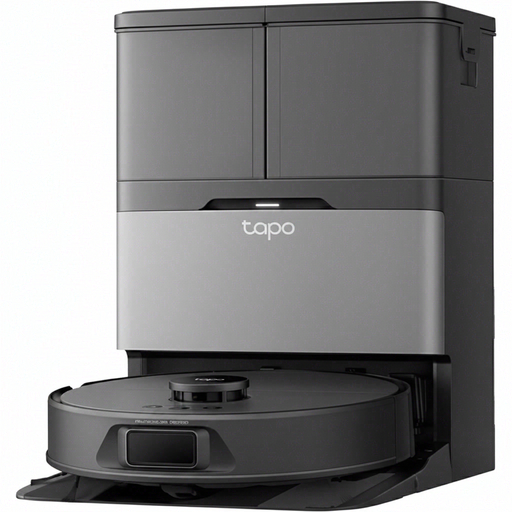
Why it's a good fit: For users who want seamless integration into their existing smart home ecosystem. Compatibility with Amazon Alexa, Google Home, and the future-proof Matter standard allows for centralised control and automation.
The Omni station with 60°C hot water washing and hot air drying ensures low maintenance. The dual-laser navigation avoids collisions and improves cleaning efficiency, while the extendable mop arm optimises edge cleaning.
Comprehensive smart home compatibility, including the Matter standard, combined with a fully-featured cleaning station.
We have compiled a complete, up-to-date list of products that fully meet these strict selection criteria and local safety regulations.
The frequency heavily depends on the size of your home, the number of occupants, and the presence of pets. On average, the dust bag in a station with a 3-litre capacity needs to be changed approximately every 60 to 90 days. Most models will notify you via the companion smartphone app when a replacement is needed.
Yes, modern, high-quality models are equipped with ultrasonic or other sensors for carpet detection. When the mop pads are attached, they react in one of two ways: they either automatically lift the mop plates (usually by 9 to 12 mm) to cross the carpet without getting it wet, or they avoid the carpeted area altogether. This feature is crucial for homes with mixed flooring.
No, the process is designed to be very user-friendly on most current devices. After unpacking and plugging in the station, you download the manufacturer's app and connect the robot to your Wi-Fi. The robot then starts an initial exploration run, using its LiDAR sensors or cameras to create a precise map of your living space. You can later edit this map in the app, name rooms, draw virtual walls, or create cleaning schedules.