
Lieferung heute & morgen

Qualitätsgarantie

Willkommens-Angebote freischalten: KOSTENLOSE Lieferung | Bis zu 80 % RABATT | Kostenlose 30-Tage-JoyPlus-Testphase
App herunterladen
A robot vacuum with mopping and an auto-empty station promises the ultimate in convenience: a single device that vacuums, mops, and maintains itself for weeks. But the market is crowded, and many models don't live up to their marketing claims. Before you make a purchase, it's crucial to understand the common pitfalls that often lead to disappointment and unnecessary follow-up costs.
As your Joybuy Product Recommendation Officer, I'm here to help you separate the wheat from the chaff. This guide focuses on the critical technical features and shows you how to navigate the most common flaws and marketing traps.
The temptation is strong, but glossy product descriptions often hide weaknesses that complicate daily life. Pay special attention to these three points:
To avoid these problems, you should base your choice on objective technical criteria. These three features are essential for reliable and efficient performance.
The type of navigation determines how efficiently and systematically a robot cleans your home.
For households with pets or carpets, the brush system is of central importance.
A modern robot vacuum with an auto-empty station can do far more than just empty the dustbin. Look for the following features that significantly increase convenience:
Instead of a one-size-fits-all recommendation, we've selected models that meet specific needs and are designed to avoid the pitfalls mentioned earlier.
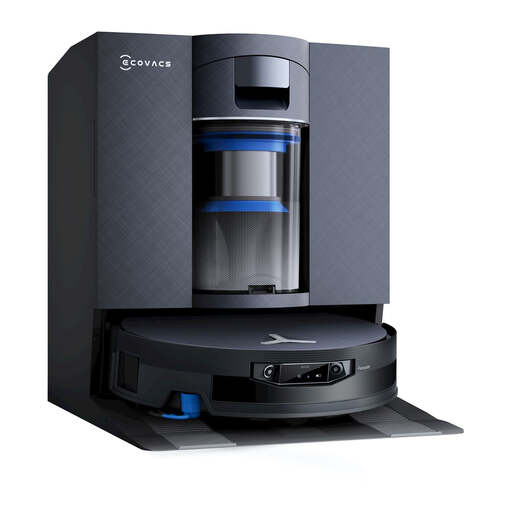
Why this model fits: Ideal for users seeking a fully automated "all-in-one" solution. The OMNI station not only handles dust emptying but also complete mop maintenance, including washing and detergent dispensing.
The AIVI 3D 4.0 Navigation combines laser with an AI-powered camera for precise detection of small obstacles, thus avoiding the pitfall of inadequate obstacle detection.
The OZMO ROLLER 3.0 mopping rollers ensure a thorough wet clean. The fully automatic station reduces manual maintenance to an absolute minimum.
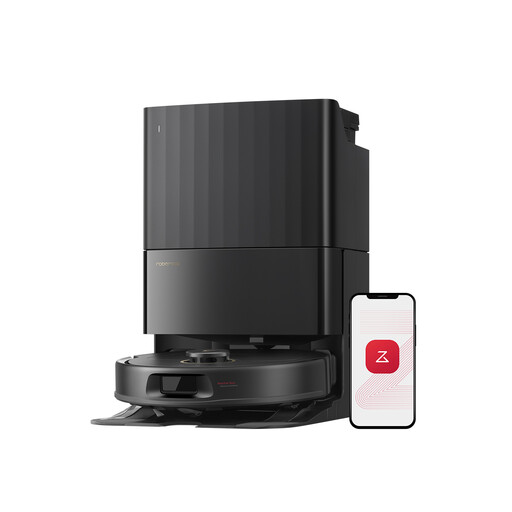
Why this model fits: Designed for the challenges of homes with pets. The high suction power and special brush system reliably pick up hair, while the liftable mops keep carpets dry.
The Dual Anti-Tangle System with rubber brushes prevents hair tangling, a common problem with simple bristle brushes. The 12,000 Pa suction power is an objective measure of high performance.
The FlexiArm Mops are automatically lifted on carpets. This allows the device to vacuum and mop in a single run without getting carpets wet.
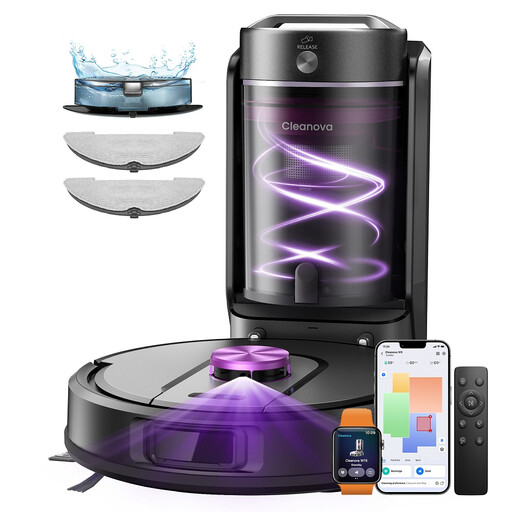
Why this model fits: A strong Roborock alternative for users who want modern technology without the premium price tag. It offers high-end features like LiDAR and strong suction, combined with a cost-saving, bagless station.
The innovative bagless auto-empty station with multi-cyclone technology avoids the pitfall of high running costs from expensive disposable bags. This saves money and is more environmentally friendly.
Despite its attractive price point, the device offers 360° Laser Navigation and 10,000 Pa of suction power, ensuring precise and thorough cleaning.
We have compiled a complete, up-to-date list of products that fully meet these strict selection criteria and all relevant safety regulations.
No, modern, high-quality models are designed to prevent this. They feature automatic carpet detection. When the robot approaches a carpet, it either lifts the mopping module (Auto-Lifting Function) or stops the water flow and increases suction power. This ensures the carpet doesn't get wet and is deep-cleaned at the same time.
The frequency depends on the station's capacity, the size of your home, the number of occupants, and the presence of pets. For most models, the dust bag or container in the station holds dirt for 30 to 90 days. The fresh and dirty water tanks for the mopping function need to be emptied or refilled more often, from every few days to weekly, depending on usage.
For optimal and reliable cleaning performance, LiDAR is highly recommended. It is essential, especially in homes with multiple rooms, complex layouts, or if you want to use features like virtual no-go zones and targeted room cleaning via the app. It ensures structured, fast, and complete cleaning that is far superior to simpler navigation methods.