
Lieferung heute & morgen

Qualitätsgarantie

Willkommens-Angebote freischalten: KOSTENLOSE Lieferung | Bis zu 80 % RABATT | Kostenlose 30-Tage-JoyPlus-Testphase
App herunterladen
The search for a robot vacuum and mop with an auto-empty station can quickly become overwhelming. The market is flooded with models promising fully automated cleaning, but the reality is often quite different. Many devices turn out to be a poor investment because crucial details are overlooked in the marketing. As your Joybuy Product Recommendation Officer, I'm here to help you separate the wheat from the chaff and identify the features that truly matter.
Before you make a decision, you should be aware of three common pitfalls that lead to dissatisfaction:
To avoid the problems mentioned above, you should carefully examine three technical aspects. These determine whether a device will actually make your daily life easier.
The term "auto-empty station" is often an understatement. Modern devices offer a comprehensive cleaning station that significantly reduces maintenance. Look for the following features that define a true all-in-one robot vacuum:
The navigation method determines the efficiency and thoroughness of the cleaning. A modern robot vacuum with obstacle avoidance should feature the following technologies:
The actual cleaning performance depends on the combination of suction power, brush technology, and mopping mechanism.
Based on the criteria above, we have identified several models suitable for different user profiles and their specific requirements.
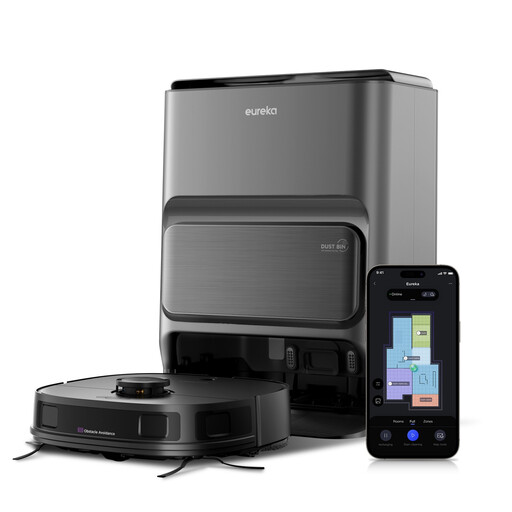
Why it's a match: The Eureka J12 Ultra offers a comprehensive suite of features usually reserved for more expensive models. It's a great choice for users who want full automation without compromising on navigation.
It bypasses the "gimmick mopping" pitfall with a station that washes the rotating mops and dries them with 55°C hot air. The "dumb navigation" issue is avoided thanks to Dual-LiDAR and 3D AI obstacle avoidance.
Offers an all-in-one station with automatic mop washing and drying, plus advanced AI obstacle avoidance, at an attractive price-performance ratio.
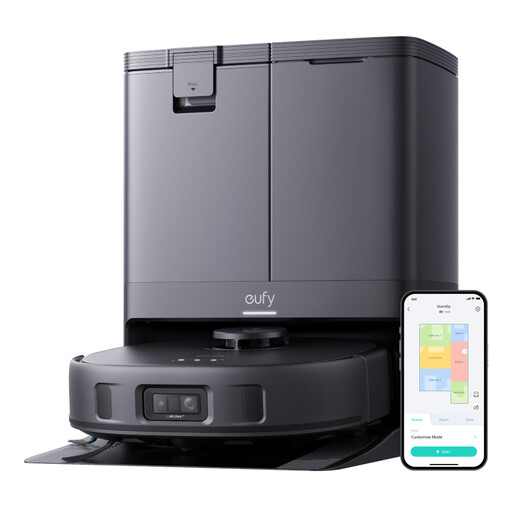
Why it's a match: This model is tailored to the challenges of homes with pets. Its high suction power and special brush system are designed for the efficient pickup of pet hair. Researching an eufy X10 Pro Omni review often highlights its reliable obstacle avoidance.
It escapes the "suction power trap" by combining 8,000 Pa with an active Pro-Detangle Comb that frees hair from the brush. Its AI-based obstacle avoidance prevents collisions with toys or food bowls.
Specialises in pet hair removal with high suction power and an active anti-tangle system. The rotating mops with 1 kg of downward pressure also remove paw prints.
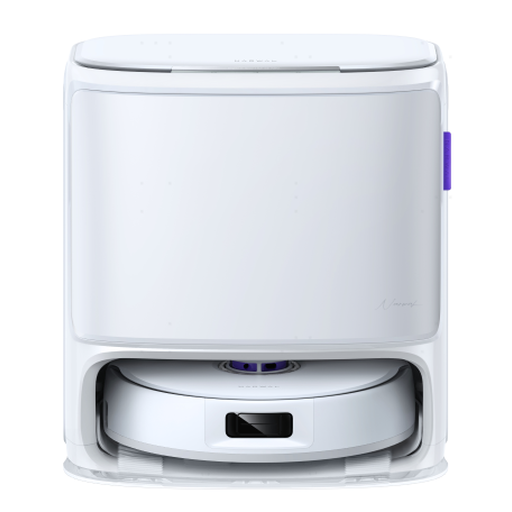
Why it's a match: The Freo Z10 is aimed at users with high standards for cleaning quality and automation, especially for edge and corner cleaning. The station offers a particularly long maintenance-free period.
It addresses the "gimmick mopping" pitfall with unique features like adaptive mop washing with hot water and extendable mops for thorough edge cleaning. The DualFlow Anti-Tangle System counteracts the brush-tangle trap.
Advanced mopping technology with hot water and dynamic movements to clean edges and hard-to-reach areas. According to the manufacturer, the station allows for up to 120 days of maintenance-free use.
We have compiled a complete, up-to-date list of products that fully meet these strict selection criteria and safety regulations.
1. How often does a robot vacuum's auto-empty station need to be emptied? The frequency depends on the size of the dust bag in the station and the amount of dirt in your home. For most models with a 2.5 to 3-litre bag, emptying is only required every 60 to 75 days in an average household. This interval may be shorter in homes with pets.
2. Can a robot vacuum and mop clean carpets and hard floors in a single run? Yes, modern devices with an automatic mop-lifting feature can do this. When the robot detects a carpet, it lifts its mops to avoid wetting it and often simultaneously increases suction power for a deep clean. After leaving the carpet, it lowers the mops again and continues mopping on hard floors.
3. What impact does obstacle avoidance have on cleaning performance? Advanced obstacle avoidance is crucial for efficiency. Instead of bumping into objects and recalculating their route, AI-powered systems navigate around obstacles with precision. This leads to faster, more complete cleaning, as the robot is less likely to get stuck or miss areas. It also protects furniture and items left on the floor.