
Lieferung heute & morgen

Qualitätsgarantie

Willkommens-Angebote freischalten: KOSTENLOSE Lieferung | Bis zu 80 % RABATT | Kostenlose 30-Tage-JoyPlus-Testphase
App herunterladen
A robot vacuum and mop with an auto-empty station promises to be a significant time-saver in any household. However, the market is flooded with models whose marketing claims often suggest more than the technology can deliver in daily use. Before you make a decision, it's crucial to understand the most common pitfalls that can lead to disappointment and unnecessary expense.
This guide focuses on the objective criteria that are essential for reliable and satisfying long-term cleaning performance. We will highlight three common problems and show you which technical features you should look for.
To avoid the problems mentioned above, you should focus on three core parameters that determine the actual performance and user convenience of a robot vacuum and mop.
The type of navigation determines how efficiently and systematically your home is cleaned.
A thorough clean depends on more than just raw suction power. Pay attention to the overall system.
The station is more than just a charging dock. Its features determine how much work is actually taken off your hands.
Instead of making a one-size-fits-all recommendation, we have identified models that are tailored to specific needs and household types.
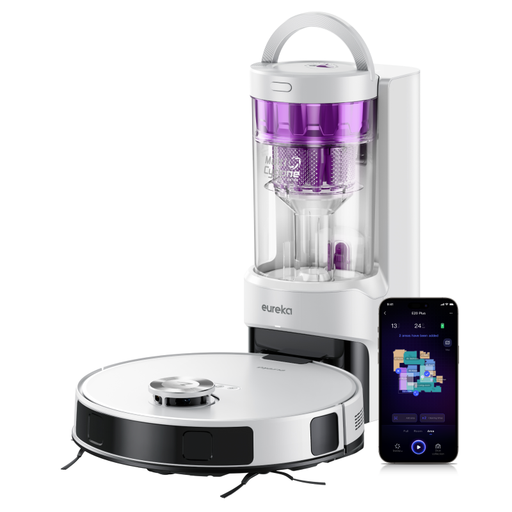
Why it's a good fit: Ideal for homes with mixed flooring. The combination of high suction power and an intelligent mopping function masters both pet hair on hard floors and cleaning around carpets.
The bagless auto-empty station avoids the recurring cost trap. The automatic mop lifting of 10 mm upon carpet detection prevents wet carpets—a common issue with simpler models.
The anti-tangle system with the "DragonClaw" side brush is specifically designed to pick up hair and reduces the need for manual brush cleaning.
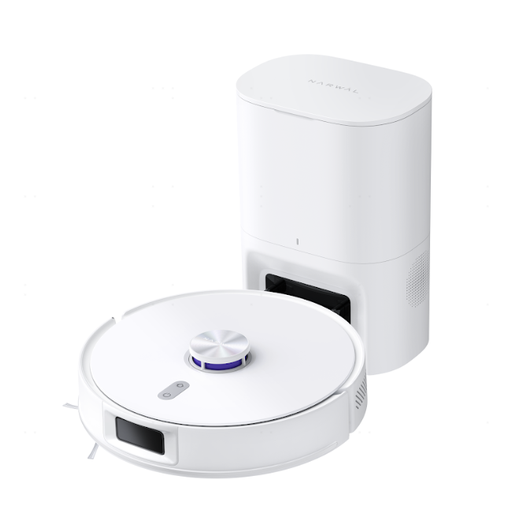
Why it's a good fit: For users looking for a "set-it-and-forget-it" solution. The combination of precise navigation and a station that collects dust for months minimises user interaction.
The LDS laser navigation ensures systematic cleaning, avoiding the navigation gap. The large 3.5-litre dust bag in the station reduces the frequency of replacement and, therefore, the operating costs.
According to the manufacturer, the mopping function operates with a downward pressure of 8 N, which allows for more effective removal of dried-on stains compared to passive mopping systems.
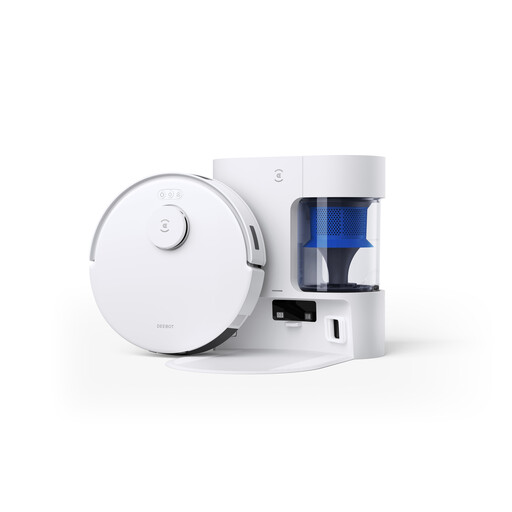
Why it's a good fit: For large houses or open-plan living areas where long battery life is crucial to clean the entire space in a single run.
The TrueMapping LiDAR navigation quickly creates precise maps and ensures gapless coverage, which avoids the navigation gap. The bagless station addresses concerns about high recurring costs.
The manufacturer-stated battery life of up to 300 minutes and a coverage area of up to 550 m? per charge (in quiet mode) are above average for devices in this category.
Browse our curated selection of robot vacuums that meet our criteria for performance and reliability. The right accessories are also crucial for smooth operation.
The frequency depends on the size of the dust container or bag in the station, the size of your home, the cleaning frequency, and the amount of dirt (e.g., from pets). Models with large containers (3 litres or more) often only need to be emptied every 45 to 60 days. Bagless stations offer flexibility but require manual emptying and cleaning of the container.
There is a potential risk if the device does not have carpet detection. Models with an automatic lifting function for the mopping module are the safe choice here. They detect carpets and lift the wet mops to prevent them from getting damp. Check the maximum lifting height to ensure it is sufficient for your carpet's pile height.
While a simple cleaning cycle can be started with the push of a button on the device, a modern robot vacuum only unleashes its full potential with the app. The app allows you to create detailed schedules, select specific rooms for cleaning, set up virtual walls and no-go zones (e.g., around a pet's food bowl), and adjust the suction and mopping intensity. For a personalised and efficient clean, app control is therefore highly recommended.