
Lieferung heute & morgen

Qualitätsgarantie

Willkommens-Angebote freischalten: KOSTENLOSE Lieferung | Bis zu 80 % RABATT | Kostenlose 30-Tage-JoyPlus-Testphase
App herunterladen
A robot vacuum with mop and auto-empty station is designed to pick up dust, pet hair and everyday dirt on its own, mop your floors and then return to its station. For families, busy professionals and pet owners, this can reduce the amount of cleaning you need to do yourself. However, models vary considerably in their navigation, maintenance and mopping technology.
Figures such as 8,000, 16,000 or 25,000 Pa describe the maximum suction power under certain conditions. On their own, they don’t tell you how well a robot handles carpet fibres, long hair or larger particles. Other important factors include:
A robot vacuum with strong suction can be a good choice if you have lots of carpets or pet hair. However, always consider the Pa rating alongside the brush system and navigation.
An auto-empty station automatically empties the robot’s dust container. Models with a mopping function also need to be filled with clean water and emptied of dirty water. Depending on the station, features may also include mop washing, self-cleaning and hot-air drying.
Even a self-cleaning robot vacuum needs regular checks. Filters, brushes, sensors, mops and the collection tray can still get dirty. If the station uses hot-air drying, make sure it has adequate ventilation.
An app-controlled robot vacuum can name rooms, set no-go zones and save cleaning schedules. This is handy if you have multiple floors, carpets or delicate areas. But app features won’t help much if the robot gets caught on cables, can’t fit under low furniture or has no suitable place to dock.
A robot vacuum with LiDAR navigation uses a laser to create a map of your home and plan systematic cleaning routes. This is particularly useful in larger homes, with multiple rooms or for recurring cleaning schedules. Additional obstacle-detection sensors can identify furniture and other objects, but they’re no substitute for picking up small cables, pieces of glass or clothes left lying around.
Before you buy, check:
A robot vacuum with a mopping function may use simple rotating or vibrating mops, or roller systems that clean continuously. A station with automatic mop washing reduces the work you need to do yourself. Even so, a mopping robot with an auto-empty station should have suitable water tanks, an accessible cleaning tray and replacement parts that are easy to find.
Hot-water washing and hot-air drying are useful features. The manufacturer should specify the exact temperatures and cycle times. High temperatures also mean you’ll need to place the station somewhere safe, out of reach of children and pets.
Measure not only the height of the robot, but also the space needed for the station. Depending on the model, you may need several decimetres of clearance at the sides and in front of the base. If the station has water and dust tanks, make sure there’s enough room to remove them.
The stated runtime often applies to a specific cleaning mode. Carpets, high suction power and mopping can affect how long the battery lasts. For larger homes, automatic returns to the station and the ability to resume cleaning are important features.
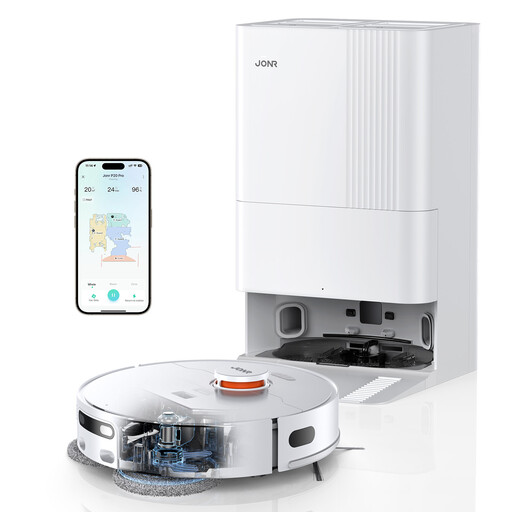
Why this product suits this profile: According to the product information, this model combines 8,150 Pa suction power, laser navigation, obstacle detection and an all-in-one station. Its stated combined cleaning time is up to 150 minutes.
The choice isn’t based on the Pa figure alone; it also takes laser navigation and a station with dust collection into account. The clean- and dirty-water tanks still need to be checked manually.
8,150 Pa according to the manufacturer; laser navigation; hot-air mop drying according to the product description.
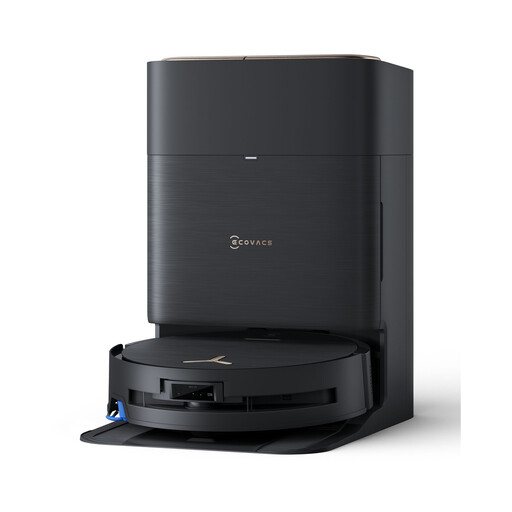
Why this product suits this profile: According to the manufacturer, this model offers 16,600 Pa suction power, OZMO roller-mop technology, automatic mop washing and hot-air drying. The station also supports automatic dust emptying.
The mopping function is described as a system combining roller cleaning, water changes and drying. Automatic mop lifting is designed for use on carpets.
16,600 Pa according to the manufacturer; 40–75 °C mop washing and 63 °C hot-air drying according to the product specifications.
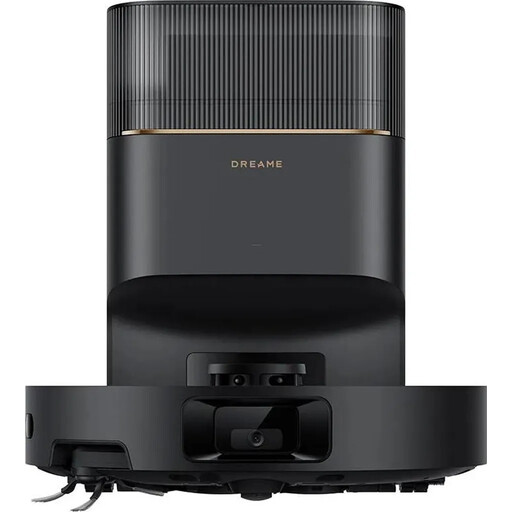
Why this product suits this profile: According to the product information, this model is designed for carpets and hard floors. It offers 13,000 Pa suction power, a 5-litre dust bag and up to 260 minutes of vacuuming.
The large dust bag and stated emptying interval of up to 150 days mean fewer frequent chores. The actual interval depends on how much dirt is collected and how often you clean.
5-litre dust bag; 3D structured-light obstacle detection; cleans up to 250 m² per charge according to the product specifications.
We’ve put together a complete, regularly updated list of products that meet these strict selection criteria and fully comply with the safety regulations in force in the EU.
In addition to the purchase price, you’ll need to budget for dust bags, filters, side brushes, main brushes and mop pads. If the station uses bags, check that compatible replacements are available and compare their prices. Bagless stations avoid the need to buy replacement bags, but the dust container and filters need regular cleaning.
To help your robot last longer:
It depends on the model. A clearance of around 50 centimetres at the sides and roughly 1 to 1.5 metres in front of the station is often recommended. Always follow the guidance in the relevant instruction manual.
There’s no single lifespan that applies to every model. It depends on how often you use it, how well it’s maintained, the condition of the battery and the availability of spare parts. Regularly cleaning the brushes, filters and sensors can help keep it working properly.
For homes with pets, a suitable main brush, anti-tangle features, sufficient suction power and automatic dust emptying are particularly useful. However, you should still check the brushes and wheels regularly for hair, as no feature can eliminate the need for all maintenance.