
Lieferung heute & morgen

Qualitätsgarantie

Willkommens-Angebote freischalten: KOSTENLOSE Lieferung | Bis zu 80 % RABATT | Kostenlose 30-Tage-JoyPlus-Testphase
App herunterladen
A robot vacuum with mopping and an auto-empty station can make everyday floor care much easier. However, models vary considerably in their navigation, carpet detection, maintenance requirements and station features. High Pa ratings or claims such as ‘intelligent’ aren’t enough to tell you whether a model is right for your home.
A figure such as 12,000 or 25,000 Pa describes the maximum suction power under certain conditions. On its own, it says little about how well a robot picks up pet hair from carpets or how reliably it cleans along edges. The brush design, airflow, filter, clearance from the floor and selected cleaning mode all affect the results.
For households with pets, an anti-tangle system is just as important as the Pa rating. Otherwise, long hair can wrap around the main and side brushes, increasing the amount of maintenance required.
An auto-empty station can empty the robot’s dust container automatically. Depending on the model, a combined robot vacuum with automatic mop cleaning may offer additional features, such as washing the mop pads, drying them, supplying fresh water or dispensing cleaning solution.
You’ll still need to check the dust bag or container, dirty-water tank, filters and brushes regularly. A bagless station means you won’t need to buy replacement dust bags, but you will need to clean the station’s dust container yourself.
A robot vacuum with LiDAR navigation can map rooms precisely and plan systematic routes. However, LiDAR won’t automatically detect every cable, toy or pet accessory reliably. Cameras, 3D sensors and infrared sensors can supplement intelligent obstacle detection.
Before the first cleaning run, remove cables, small objects and delicate ornaments. Virtual no-go zones in the app don’t replace preparing your living space safely.
When choosing a robot vacuum for carpets and hard floors, consider the following:
LiDAR- or laser-based systems create maps regardless of the room’s lighting. Also check the stated threshold clearance. For example, the ECOVACS DEEBOT T30e OMNI is listed as able to cross thresholds up to 20 millimetres high. This is a manufacturer’s specification and depends on the shape and edge of the obstacle.
For cleaning under low furniture, the robot’s height matters. The eufy RoboVac Omni C20 is described as having a slim 8.5-centimetre design. This could be useful for cleaning under beds or cupboards, provided there’s enough clearance.
Before buying, check:
More automation can save time, but consumables and cleaning products may add to the ongoing cost.
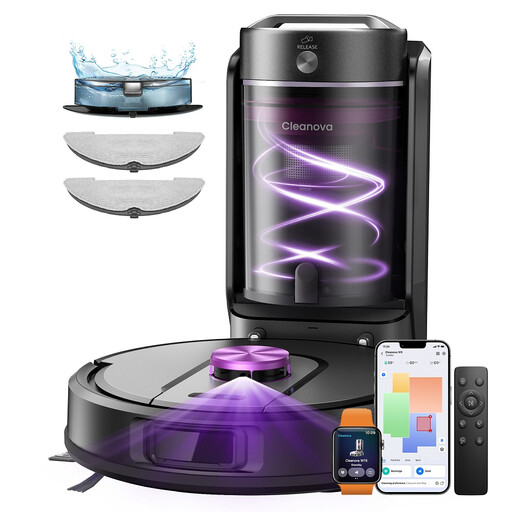
Why this product suits this buyer profile: The W15 combines vacuuming, mopping and automatic dust emptying in a bagless station. It’s listed with 10,000 Pa, LiDAR navigation, capacity for up to five maps and a runtime of up to 180 minutes.
The 4-litre bagless station reduces the need for dust bags. You’ll still need to clean the dust container and filters.
LiDAR mapping, app and voice control, and three suction and water settings give you flexibility.
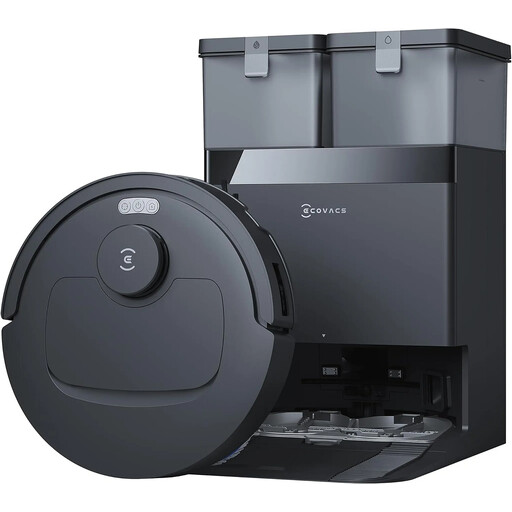
Why this product suits this buyer profile: Designed for hard floors and carpets, this model is listed with 25,000 Pa, ZeroTangle 3.0, TrueMapping 2.0 and an OMNI station with automatic emptying and mop cleaning.
Automatic mop lifting and carpet detection help prevent the mop pads from wetting carpeted areas.
The station empties the dust container, washes the mops and dries them. App control and four suction levels give you more control over cleaning.
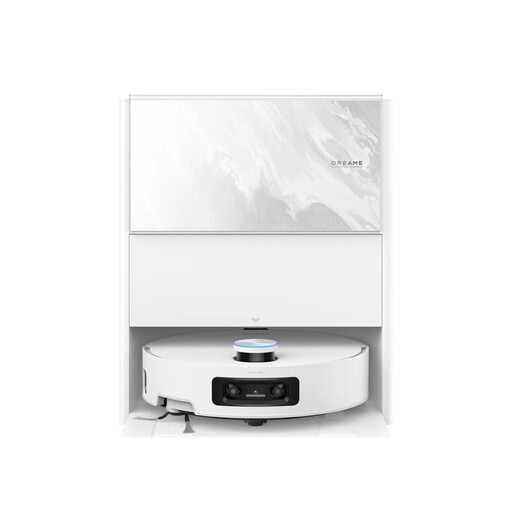
Why this product suits this buyer profile: This model is listed with 25,000 Pa, mop washing with 100-degree water, 50-degree warm-air drying, AI navigation and the ability to cross obstacles up to 6 centimetres high.
The stated object detection and extending navigation are designed for complex layouts and furniture at different heights. You should still remove small objects.
TrackSync mopping with 45-degree water and an all-in-one station that automatically refills the cleaning solution are designed for frequent use.
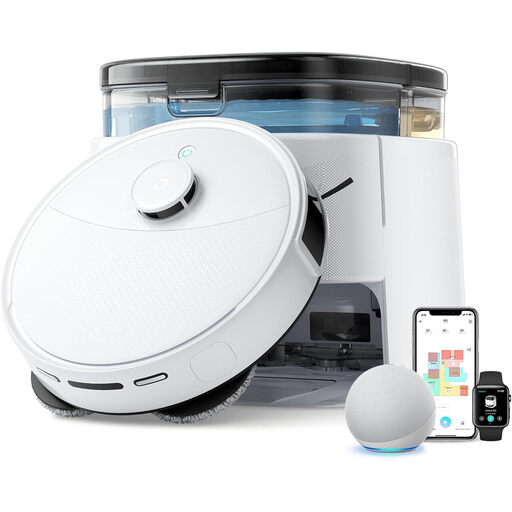
Why this product suits this buyer profile: The Lefant M3 is listed with 12,000 Pa, up to 220 minutes of battery life, DToF navigation and dual rotating mop pads. This makes it suited to larger areas that need regular vacuuming and mopping.
Its stated long runtime means fewer interruptions when cleaning larger living spaces. You’ll still need to remove cables and small objects before a cleaning run.
DToF mapping, app or remote control, and automatic return to the station help you plan your cleaning routine.
We’ve put together a complete, regularly updated list of products that meet these strict selection criteria and fully comply with the safety regulations in force in the EU.
Place the station on a level, dry surface and leave the clearance recommended by the manufacturer. Remove cables and small items, fully charge the robot and run a mapping cycle first. You can then set up rooms, schedules and no-go zones in the app.
Its lifespan depends on how often it’s used, the type of flooring, maintenance and the availability of spare parts. Brushes, filters and mop pads are wear-and-tear items. Regularly cleaning the sensors, brushes and contacts can help the robot continue to work as intended. Always follow the relevant manufacturer’s guidance.
You may need to budget for dust bags, filters, brushes, mop pads, cleaning solution and, in some cases, replacement batteries. Bagless stations reduce the need for dust bags, but you’ll need to clean the dust container manually. Check the price and availability of accessories before you buy.