
Lieferung heute & morgen

Qualitätsgarantie

Willkommens-Angebote freischalten: KOSTENLOSE Lieferung | Bis zu 80 % RABATT | Kostenlose 30-Tage-JoyPlus-Testphase
App herunterladen
A robot vacuum with mopping and an auto-empty dock promises the dream of a fully automated, clean home. But the market is flooded with marketing promises and technical specs that confuse more than they clarify. Many devices quickly turn out to be high-maintenance dust collectors that aren't worth the money. As your Joybuy Product Recommendation Officer, I'll help you identify the crucial features and avoid common purchasing traps.
Before you make a decision, you should be aware of the typical problems that often only become apparent after the purchase. Manufacturers often promote single, impressive numbers while hiding weaknesses in the overall system.
To avoid a bad purchase, focus on the technical features that make the biggest difference in daily use.
A modern station is the heart of the system. Look for the following features, which significantly increase convenience:
The ability to pick up dirt, and especially pet hair, depends directly on the brush design.
Instead of making a blanket recommendation, we've identified models that meet specific user needs and cleverly avoid the pitfalls mentioned above.
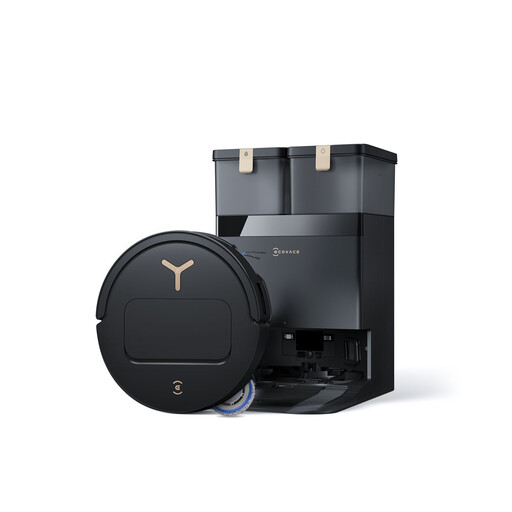
Why This Fits Their Persona: Ideal for users seeking an uncompromising cleaning solution for mixed floors and pet hair. The combination of very high suction power and intelligent anti-hair features ensures a thorough, low-maintenance clean.
The ZeroTangle 3.0 anti-tangle system actively combats the high-maintenance trap caused by pet hair. The TruEdge 2.0 technology ensures clean edges, bypassing the problem of dirty borders.
Fully-equipped OMNI station with hot water mop washing and hot air drying. The combination of 25,000 Pa suction power and advanced obstacle avoidance (AIVI 3D 3.0) delivers high cleaning performance.
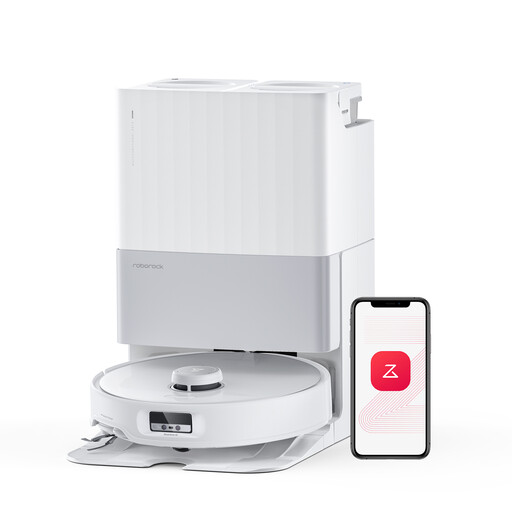
Why This Fits Their Persona: For users who are annoyed by unclean edges and corners and are looking for a targeted solution to this problem. This model is specifically designed to thoroughly mop even hard-to-reach areas.
The FlexiArm Design is the direct answer to the poor edge cleaning trap. The mop actively extends to reach right up to baseboards and into corners where round robots typically fail.
The station washes the mops with 75°C hot water, ensuring a high level of hygiene. The dual anti-tangle system reduces maintenance for brush cleaning.
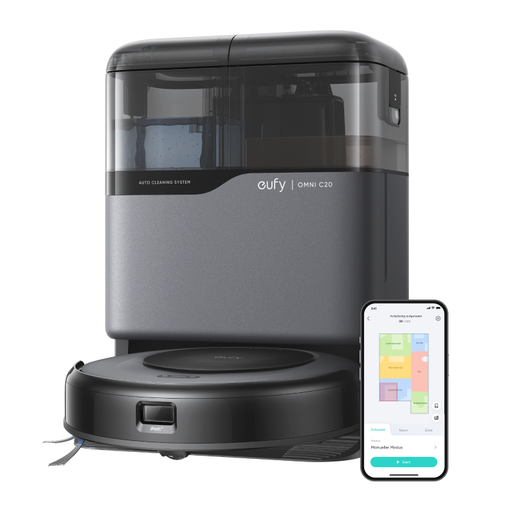
Why This Fits Their Persona: Perfect for anyone wanting to enter the world of fully automated floor cleaning without breaking the bank. This device focuses on essential convenience features and a slim design.
It offers a complete all-in-one station (empties, washes, dries, refills), thus avoiding the trap of a system that is only seemingly automatic. The Pro-Detangle Comb counteracts hair tangling and reduces maintenance.
Its especially slim design (8.5 cm) allows it to clean under furniture where other, taller models can't reach. The Mop Master technology with 6N of downward pressure ensures effective stain removal.
We have compiled a comprehensive, up-to-date list of products that meet these strict selection criteria.
The maintenance effort depends heavily on the model. With a system that has automatic dust collection, the dust bag in the station only needs to be changed every 60 to 90 days. The fresh and dirty water tanks should be emptied or refilled every few days, depending on usage frequency. A regular cleaning of the station itself (about once a month) is recommended to prevent build-up. Models with hot water mop washing and a station self-cleaning function reduce this effort even further.
Yes, modern devices are designed for this. The key feature is automatic carpet detection. When the robot detects a carpet, it lifts its mop pads to avoid getting the carpet wet. At the same time, it often increases suction power to pull deep-seated dirt from the fibres. Before buying, check how high the robot can lift its mops (e.g., 9 mm or 12 mm) to ensure it's sufficient for your carpets.