
Lieferung heute & morgen

Qualitätsgarantie

Willkommens-Angebote freischalten: KOSTENLOSE Lieferung | Bis zu 80 % RABATT | Kostenlose 30-Tage-JoyPlus-Testphase
App herunterladen
The idea is appealing: a single device that vacuums, mops, and then cleans itself at its station, all while you focus on more important things. But the market for robot vacuums with mopping and auto-empty stations is crowded, and not every model lives up to its advertising. Many devices turn out to be high-maintenance dust collectors that create more work than they save.
Before you invest, it's crucial to understand the common pitfalls. We'll show you the three key flaws to watch out for to make an informed decision.
To avoid these problems, you should focus on specific technical features when making your choice. These are often more important than pure marketing numbers, like high suction power alone.
A robot vacuum with intelligent navigation is the foundation for seamless and efficient cleaning. Look for systems that go beyond basic gyro-navigation:
A modern docking station does more than just empty the dustbin. A truly self-cleaning robot mop features a station with the following functions:
A high suction power, measured in Pascals (Pa), is an important indicator, but it's only effective when paired with a well-designed brush system. For homes with pets, a robot vacuum for pet hair with anti-tangle technology (e.g., ZeroTangle) is a must-have. These systems use specially shaped brushes and combs to direct hair into the suction inlet before it can get tangled. Equally important is the device's ability to adapt to different surfaces, for instance, by automatically lifting its mop pads on carpets. This ensures optimal cleaning on both carpets and hard floors.
Based on these objective criteria, we have identified several models suitable for different user profiles and their specific requirements.
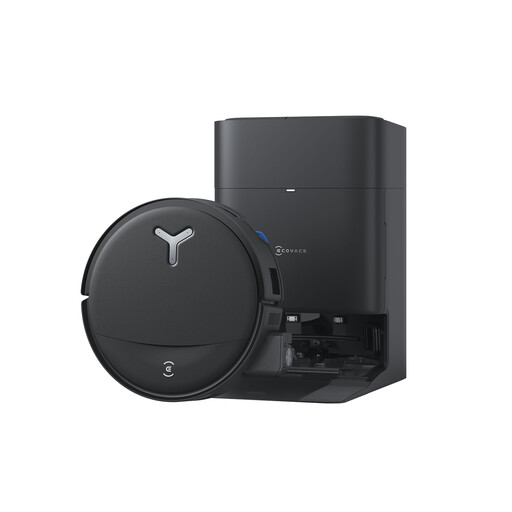
Why This Fits Their Persona: Ideal for users seeking reliable, high-performance automation of core tasks. This device offers a balanced combination of strong suction power and advanced mopping functions without unnecessary extras.
The intelligent hot water mop washing (40–75°C) and 45°C hot air drying actively combat the pitfall of unhygienic mop systems. The ZeroTangle 3.0 system significantly reduces hair tangles in the brush.
Strong suction power of 24,800 Pa; Triple-Lift system raises the mop and brushes based on the surface; AI Stain Detection 2.0 for on-demand cleaning.
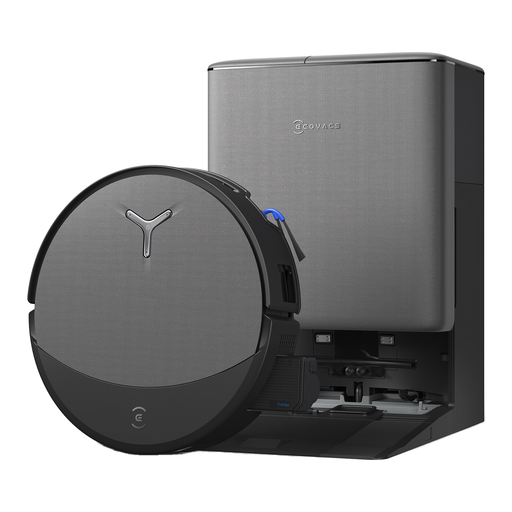
Why This Fits Their Persona: Designed for demanding environments with pets, numerous edges, and a desire for maximum cleanliness. This model focuses on extreme performance and precision.
The TruEdge 3.0 Extreme Edge Cleaning system specifically solves the problem of ineffective edge cleaning. The extremely high suction power of up to 30,000 Pa, combined with ZeroTangle 4.0, is specially designed to eliminate pet hair and prevent tangles.
Extremely high suction power (up to 30,000 Pa); Specialised system for thorough edge cleaning; TruePass Adaptive 4WD for crossing thresholds up to 24 mm.
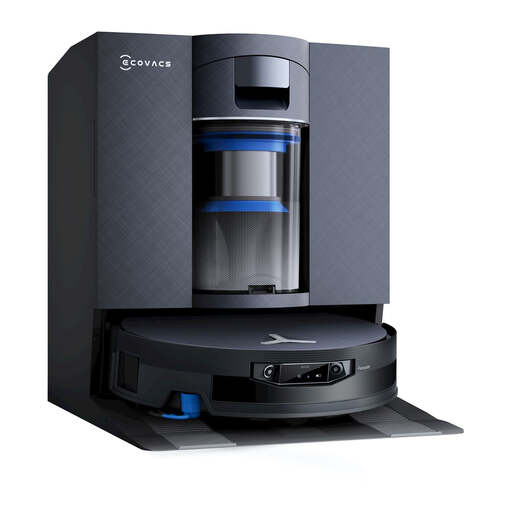
Why This Fits Their Persona: For users who want the pinnacle of current technology and automation. This model integrates AI features and a highly advanced station for a nearly hands-free cleaning experience.
The AIVI 3D 4.0 Navigation and TruePass 4WD drive system address the pitfall of poor navigation with superior obstacle detection and mobility. The comprehensive OMNI station with automatic detergent dispensing minimises manual effort.
Fully integrated smart home experience with AGENT YIKO AI assistant; PowerBoost technology for uninterrupted cleaning; OZMO ROLLER 3.0 mopping system.
We have compiled a complete, up-to-date list of products that fully meet these strict selection criteria and safety regulations.
The frequency depends on the size of the dust bag in the station (usually 2.5 to 4 litres), the size of your home, the number of occupants, and the presence of pets. On average, the dust bag only needs to be replaced every 30 to 70 days. The water tanks for the mopping function (clean and dirty water), however, require more frequent attention, typically after every one or two complete cleaning cycles.
No, modern, high-quality models are equipped with automatic carpet detection. As soon as the robot senses a carpet, it will automatically lift its mopping pads or avoid the area entirely while in mopping mode. This prevents the carpet from getting wet and potentially damaged. Be sure to look for this feature when buying.
The initial setup is generally straightforward and user-friendly. You position the station, connect the robot to your Wi-Fi via a smartphone app, and start the first mapping run. During this process, the robot creates a digital map of your home. Afterwards, you can easily use the app to define no-go zones, create cleaning schedules for specific rooms, or send the robot to a targeted area.