
Lieferung heute & morgen

Qualitätsgarantie

Willkommens-Angebote freischalten: KOSTENLOSE Lieferung | Bis zu 80 % RABATT | Kostenlose 30-Tage-JoyPlus-Testphase
App herunterladen
A robot vacuum and mop with a fully automatic docking station promises the ultimate in convenience: floors that practically clean themselves while you spend your time on more important things. But the market is flooded with devices whose marketing promises often outshine their actual cleaning performance. Before you invest a significant sum, it's crucial to understand the common pitfalls that can quickly turn a hoped-for convenience into a costly mistake.
This guide focuses on the objective criteria that define a high-quality device, helping you separate the best from the rest.
Many modern robot vacuums and mops look impressive on paper, but critical weaknesses often emerge in daily use. Pay close attention to these three points to avoid disappointment:
To avoid the problems mentioned above, you should focus on three core technical areas in your selection. These parameters are critical for reliable and truly autonomous cleaning performance.
The station is the heart of a fully automated system. A high-performance model should do more than just empty the dustbin. Look for the following features:
Precise navigation is the key to efficiency. Modern devices combine laser navigation (LiDAR) with advanced 3D object recognition.
Suction power, measured in Pascals (Pa), is an important indicator, but not the only one. For households with pets, the brush design is just as critical.
Based on the criteria above, we have identified several models that represent a smart choice for different households and needs.
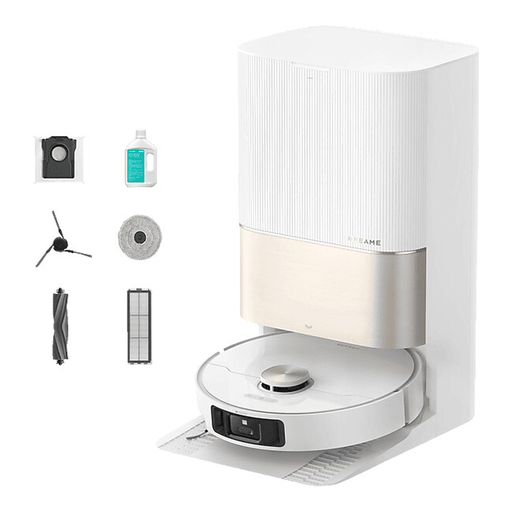
Why This Fits Their Persona: Ideal for users who refuse to compromise. This model is designed for large, complex living spaces with mixed flooring, offering maximum automation and cleaning precision.
The station cleans the mops with 70°C hot water and then dries them, preventing odour buildup. The MopExtend RoboSwing technology actively extends the mop to eliminate the uncleaned strip along edges.
The combination of an extendable mop and an extendable side brush ensures superior cleaning coverage. The OmniDirt technology detects the level of dirt and intelligently adjusts the cleaning process.
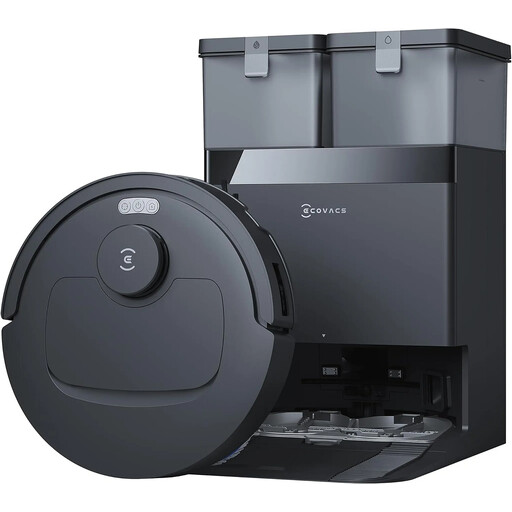
Why This Fits Their Persona: Suitable for busy families and pet owners looking for a reliable, powerful, and low-maintenance solution. The device expertly handles pet hair and changing floor types.
The ZeroTangle 3.0 technology minimises hair tangles in the brush. The OMNI station washes and dries the mops with hot air. The TruEdge technology ensures precise cleaning along walls.
Offers very high suction power at 25,000 Pa. The automatic mop lifting on carpets and precise TrueDetect 3D obstacle detection make it a dependable daily helper.
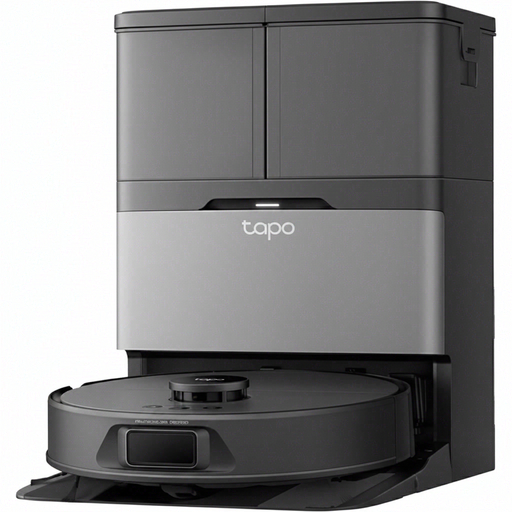
Why This Fits Their Persona: For users who want the core benefits of a fully automatic station without paying for absolute top-tier features. A solid entry into the world of "set-it-and-forget-it" floor cleaning.
The Omni station washes the mops with 60°C hot water and then dries them. The anti-tangle system reduces hair entanglement, and the dual-laser navigation ensures reliable obstacle avoidance.
Delivers a comprehensive automation package with hot water washing and drying at an accessible price point. The suction power of 15,000 Pa is sufficient for most hard floors and low-pile carpets.
We have compiled a complete, up-to-date list of products that fully meet these strict selection criteria and comply with German safety regulations.
The frequency heavily depends on usage intensity and the size of your home. For most modern stations, the dust bag lasts for 60 to 90 days. The clean and dirty water tanks (typically 4-5 litres) need to be emptied and refilled every few days to once a week, depending on the cleaning frequency. The device's app will usually notify you when maintenance is required.
Yes, high-quality models are designed for this. They feature automatic carpet detection. When the robot moves onto a carpet, it automatically lifts its mop pads to avoid getting the carpet wet while simultaneously increasing suction power for a deeper clean of the carpet fibres. Some models can also detach their mops entirely at the station before starting a vacuum-only cleaning run.
It's not necessary in the sense of basic functionality, but it is a decisive factor for hygiene and cleaning performance. Hot water dissolves grease, dried-on stains, and bacteria from the mop pads much more effectively than cold water. This not only leads to a cleaner mopping result on your floors but also prevents the buildup of germs and odours in the mop and the station itself. It's a feature that marks the difference between good and excellent automation.