
Lieferung heute & morgen

Qualitätsgarantie

Willkommens-Angebote freischalten: KOSTENLOSE Lieferung | Bis zu 80 % RABATT | Kostenlose 30-Tage-JoyPlus-Testphase
App herunterladen
A robot vacuum and mop with a fully automated cleaning station promises the ultimate in convenience: floors that virtually clean themselves, while you use your time for more important things. But the market is filled with marketing promises that often don't hold up in practice. Before you make an investment, it's crucial to know the typical pitfalls that can lead to disappointment and unnecessary expense.
As your Joybuy Product Recommendation Officer, I'll help you objectively evaluate technical specifications and find a model that truly fits your household's needs.
Many devices look impressive on paper but only reveal their weaknesses in daily use. Pay special attention to these three points:
To avoid a bad purchase, you should focus on the technical features that directly impact everyday performance.
The robot's ability to move intelligently and safely through your home is fundamental.
The station is the heart of the system's convenience. Its capabilities determine how truly autonomous the system is.
The actual cleaning work is done by the brushes and mops. Their design is crucial for the final result.
Instead of making a blanket recommendation, we have identified models that solve specific problems and suit different user profiles.
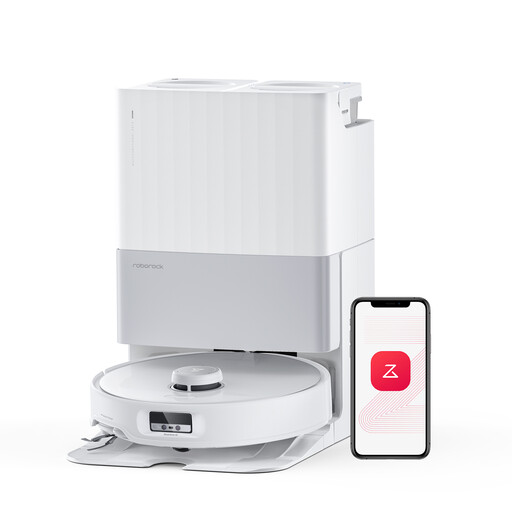
Why This Fits Their Persona: Ideal for users who refuse to compromise on cleanliness and are looking for a technological solution to the classic problem of dirty edges and corners.
The FlexiArm Design is a direct technological answer to the edge-cleaning dilemma. The mop actively extends to reach baseboards and corners where round robots typically fail.
The station cleans the mops with 167°F (75°C) hot water, ensuring a high level of hygiene. The combination of edge cleaning and a powerful station offers a very complete package.
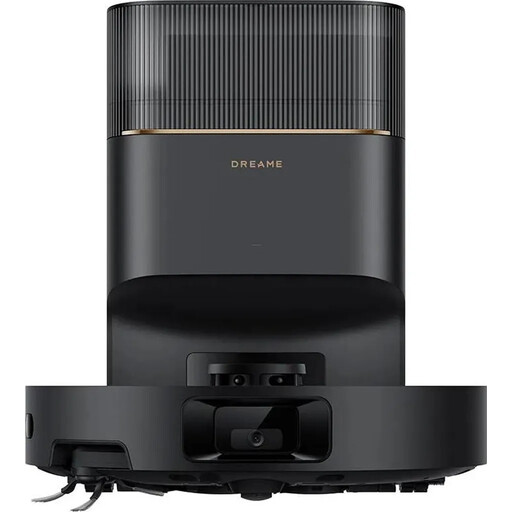
Why This Fits Their Persona: Perfect for pet owners who need a powerful, low-maintenance solution for hair, dirt, and odours, and don't want to constantly clean brushes or change dust bags.
The HyperStream Detangling DuoBrush is, according to the manufacturer, 100% tangle-free, solving the problem of hair wrapping around the roller brush. The high suction power of 13,000 Pa bypasses the trap of weak performance on carpets.
The 5-litre dust bag in the station allows for up to 150 days without manual emptying—a significant advantage with high volumes of dirt and hair. The 3D obstacle avoidance prevents collisions with toys or pet bowls.
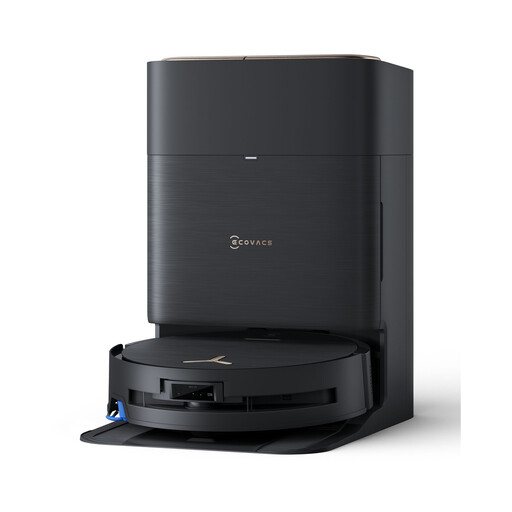
Why This Fits Their Persona: For demanding users looking for a "set-it-and-forget-it" solution. This model combines high suction power with advanced mopping and edge-cleaning technology for a flawless result with minimal effort.
The TruEdge 2.0 technology with a 3D edge sensor dynamically extends the mop to maintain a distance of just 1 mm from the edge. The OMNI station with hot water washing and drying debunks the myth of the high-maintenance station.
The OZMO Roller Mop technology with high pressure and continuous self-cleaning removes stubborn stains. The AI-powered stain detection (AI Stain Detection 2.0) automatically adjusts the cleaning strategy.
We have compiled a complete, up-to-date list of products that fully meet these strict selection criteria and safety regulations.
1. How often does a robot vacuum's cleaning station need to be maintained? This depends heavily on the frequency of use and the amount of dirt. As a rule of thumb: the clean water tank needs to be refilled every few cleaning cycles, depending on its size, and the dirty water tank emptied. The dust bag in the station lasts between 60 and 150 days, depending on the model and pet hair volume. The station's washing plate, where the mops are cleaned, should be manually cleaned every 1-2 months to prevent buildup and odours.
2. Can a robot vacuum with a mopping function also clean carpets? Yes, modern devices are designed for this. They feature carpet detection via an ultrasonic sensor. As soon as a carpet is detected, the robot automatically lifts its mopping pads (usually between 7 and 20 mm) to avoid getting the carpet wet. At the same time, the suction power is increased to remove deep-seated dirt from the fibres.
3. What is the real impact of suction power (in Pascals)? Suction power in Pascals (Pa) is an important indicator, but not the only decisive one. It describes the negative pressure the motor can generate. For actual cleaning performance, the entire system is crucial: a well-sealed suction nozzle that concentrates airflow and an effectively designed roller brush that loosens and lifts dirt from the floor are at least as important. Therefore, don't blindly rely on the highest Pa number; instead, consider the interplay of all components.