
Lieferung heute & morgen

Qualitätsgarantie

Willkommens-Angebote freischalten: KOSTENLOSE Lieferung | Bis zu 80 % RABATT | Kostenlose 30-Tage-JoyPlus-Testphase
App herunterladen
The idea is tempting: vacuuming and mopping in a single step. A vacuum mop promises just that—a significant time-saver and hygienically clean hard floors, ideal for households with children or pets. But the market is flooded with devices making grandiose marketing claims that often fail to deliver in practice. Many buyers find after just a few months that their expensive device either develops an unpleasant odour, leaves dirty streaks along baseboards, or has a battery that can't even last for one floor.
As your Joybuy Product Recommendation Officer, I've analysed the most common pitfalls to help you make an informed decision. Let's focus on the three design flaws that often lead to disappointment:
To avoid buyer's remorse, don't be dazzled by marketing jargon; instead, focus on objective technical parameters. These three aspects are crucial for your device's performance and longevity.
The choice between a cordless vacuum mop and a corded model is fundamental.
A vacuum and mop in one is only as good as its mechanical cleaning unit.
Hygienic and low-maintenance use depends heavily on the cleaning station.
Instead of making a one-size-fits-all recommendation, we've identified models that meet specific needs and successfully avoid the pitfalls mentioned above.
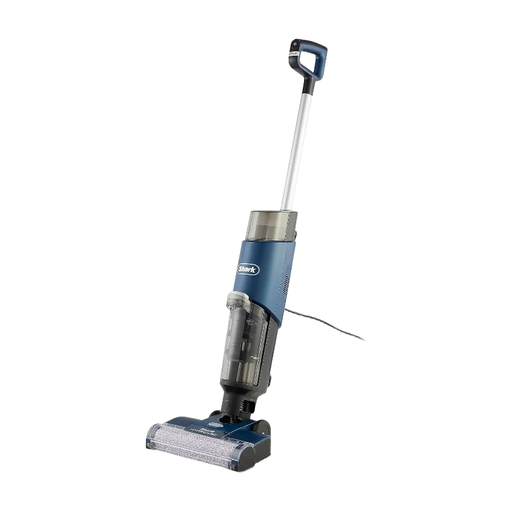
Why This Fits Their Persona: Ideal for users who want a reliable all-in-one solution without the complexity and potential drawbacks of a battery. Perfect for apartments or single floors where consistent power is more important than cordless flexibility.
The cord completely eliminates the problem of unrealistic battery runtimes. The power is consistently high, regardless of how long you use it. The self-cleaning function rinses the antimicrobial brush roll and helps reduce odour build-up.
Consistent Power: No drop in suction. Antimicrobial Brush Roll: According to the manufacturer, this inhibits bacterial growth and prevents odours.
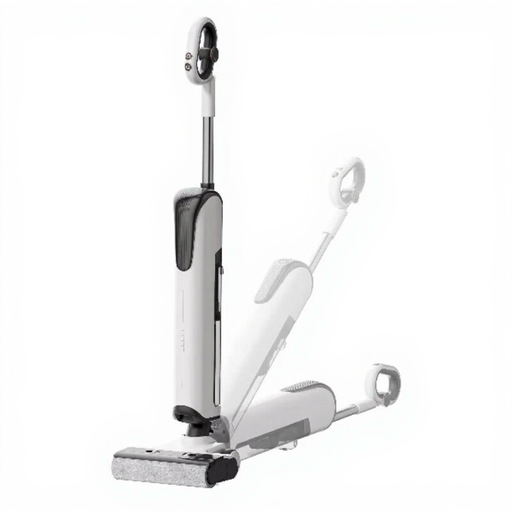
Why This Fits Their Persona: Designed for demanding households where hygiene is a top priority. The combination of powerful suction (17,000 Pa according to the manufacturer) and an advanced cleaning station is ideal for effectively tackling pet hair, food spills, and everyday dirt.
Directly addresses the "self-cleaning trap" with a docking station featuring 60°C hot air drying, which prevents odours and bacterial growth. The edge cleaning is very thorough, with a stated gap of only 2-4 mm.
Hygienic Self-Cleaning: Hot air drying and electrolytic water purification. Good Edge Coverage: Cleans very close to baseboards. Smart Dirt Sensor: Automatically adjusts power.
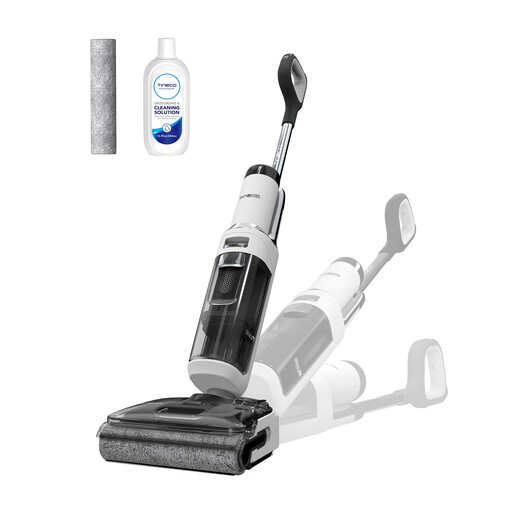
Why This Fits Their Persona: For users in modern homes with lots of furniture who need a solution that can reach even the most difficult areas. The lay-flat design is a clear standout feature for a complete clean under sofas, beds, and cabinets.
Solves the problem of inaccessible areas with its 180° lay-flat design. The three-sided edge cleaning effectively minimises dirt lines. The "FlashDry" self-cleaning system, using 70°C hot water and subsequent drying, combats the odour trap.
180° Lay-Flat Design: Allows cleaning under furniture as low as 13 cm. Advanced Self-Cleaning: Uses 70°C hot water and drying. Long Runtime: Up to 40 minutes, according to the manufacturer.
We have compiled a complete, up-to-date list of products that fully meet these strict selection criteria and European safety regulations.
For households with predominantly hard floors (tiles, laminate, sealed parquet), a high-quality hard floor cleaner can replace the vacuum for those surfaces. However, for carpets, upholstery, or car cleaning, a classic vacuum cleaner or a dedicated carpet washer is still necessary, as most vacuum mops are not designed for high-pile carpets.
Even with self-cleaning models, a manual check and cleaning after each use is recommended. Always empty and rinse the dirty water tank immediately to prevent odours. The brush roll should be checked weekly for tangled hair, and the filter should be replaced every 3 to 6 months, depending on the manufacturer's instructions, to ensure consistently high suction power and air hygiene.
No. Vacuum mops work with water and are therefore designed exclusively for sealed hard floors. On unsealed or oiled wood, cork, or porous stone, moisture can penetrate the material and cause permanent damage such as swelling or staining. Always check your flooring manufacturer's guidelines before using such a device.