
Lieferung heute & morgen

Qualitätsgarantie

Willkommens-Angebote freischalten: KOSTENLOSE Lieferung | Bis zu 80 % RABATT | Kostenlose 30-Tage-JoyPlus-Testphase
App herunterladen
A robot vacuum that not only vacuums and mops but also cleans, empties, and maintains itself—that's the promise of modern cleaning robots. However, the market is flooded with technical specs and marketing buzzwords that make an informed decision difficult. As your Joybuy Product Recommendation Officer, I'll help you identify the crucial features and avoid common purchasing pitfalls, ensuring you find a device that truly fits your daily life.
Before we dive into the features, let's clear up the three most common misconceptions that often lead to a poor purchasing decision.
To make an informed choice, focus on these three crucial performance areas that distinguish a gimmick from a genuine household assistant.
The station is the heart of a modern system. Pay attention to the degree of automation it offers:
As mentioned, high suction power is only part of the equation. For effective dirt pickup, especially with pet hair or on carpets, the brush system is crucial.
The robot's ability to move intelligently and completely through your home is fundamental.
Here are three models tailored to different needs, each fulfilling the aforementioned criteria in its own way.
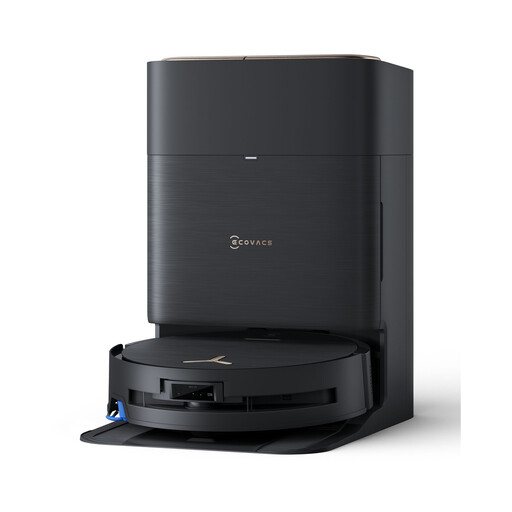
Why it's a good fit: For users seeking maximum time savings and the highest level of cleaning autonomy. This device handles nearly all maintenance tasks and delivers a thorough clean into the last corner, thanks to advanced technologies.
The OMNI station, with temperature-controlled mop washing (up to 75°C) and hot air drying, solves the "pseudo-automation" problem. The TruEdge 2.0 technology with its extendable mop actively combats "corner neglect."
The OZMO roller mop technology creates high pressure for removing stubborn stains. The AI-powered stain detection (AI Stain Detection 2.0) automatically adjusts the cleaning strategy.
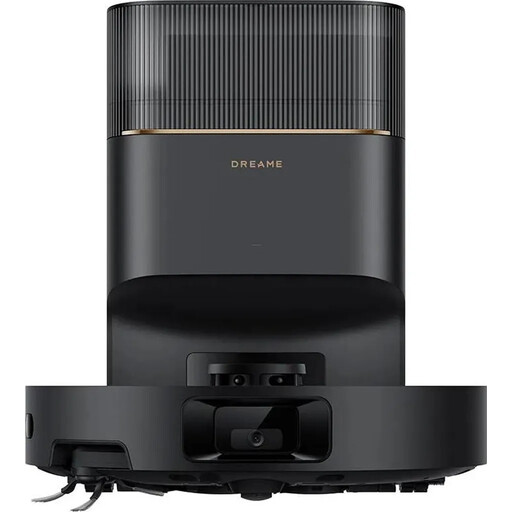
Why it's a good fit: Ideal for pet owners looking for a solution to stubborn pet hair and a hygienic environment. The combination of high suction power and a special brush system is designed for this challenge.
This model escapes the "Pascal trap" by combining high suction power of 13,000 Pa with the HyperStream Detangling DuoBrush. According to the manufacturer, this brush is 100% tangle-free, focusing on the main problem (pet hair).
The station allows for up to 150 days of maintenance-free dust disposal, minimizing contact with allergens. The extendable side brush improves edge cleaning.
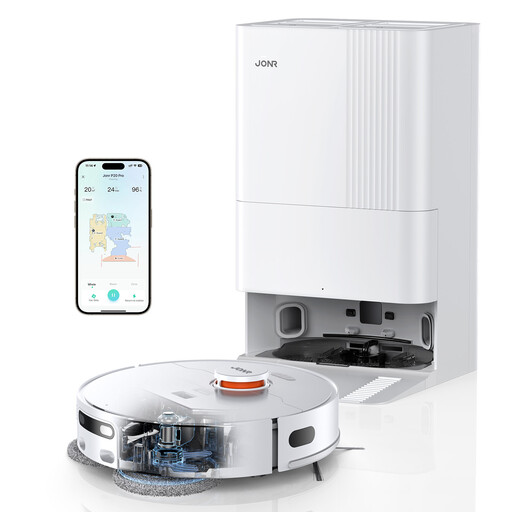
Why it's a good fit: For users who want the core benefits of a fully automated system—vacuuming, mopping, self-emptying, and mop drying—without investing in the absolute top tier. It offers a balanced package of useful features.
This model avoids the "pseudo-automation" trap by integrating hot air drying for the mops—a feature that prevents manual follow-up and is often reserved for more expensive devices.
Offers a solid suction power of 8150 Pa and an all-in-one base station that provides comprehensive automation at an accessible price. Laser navigation ensures structured cleaning.
We've compiled a complete, up-to-date list of products that fully meet these strict selection criteria.
1. How often does a robot vacuum's cleaning station need to be maintained? That depends on the model and usage. Typically, the dust bag in the station needs to be changed every 30 to 90 days. The fresh water tank must be refilled and the dirty water tank emptied, depending on how often you mop. Occasional cleaning of the station itself, especially the mop washing tray, is also recommended to prevent build-up.
2. Can a robot vacuum with a mopping function clean carpets? Yes, modern devices are designed for this. They feature carpet detection. When the robot approaches a carpet, it automatically lifts its mops and simultaneously increases suction power to deep-clean the carpet without getting it wet. The maximum lifting height of the mops is a relevant technical parameter here.
3. Is a high Pascal (Pa) number the most important criterion for suction power? No, not on its own. A high Pascal number indicates a strong motor, but the actual cleaning performance heavily depends on the design of the entire system. This includes the brush roller design (material, shape, anti-tangle properties), the seal of the air duct, and the efficiency of the filter. A well-engineered system with a moderate Pa rating can be more effective than a poorly designed model with a high marketing value.