
Lieferung heute & morgen

Qualitätsgarantie

Willkommens-Angebote freischalten: KOSTENLOSE Lieferung | Bis zu 80 % RABATT | Kostenlose 30-Tage-JoyPlus-Testphase
App herunterladen
It's an appealing prospect: a single device that vacuums, mops, and then cleans itself. A robot vacuum and mop with a self-emptying station promises just that—a clean home with minimal effort. But the market is crowded and full of technical promises that don't always deliver. Before you invest, it's crucial to separate the wheat from the chaff.
Many buyers discover after just a few months that their expensive device leaves dirt in corners, constantly gets tangled in cables, or that maintaining the station is more work than expected. This guide will walk you through the most common pitfalls and the critical technical features you need to look for to make an informed decision.
Manufacturers advertise with impressive numbers and features. However, some of these specs are less relevant in practice than you might think and can lead to a poor investment.
To avoid these problems, you should focus on three core areas that determine performance and everyday convenience.
The robot's ability to navigate its surroundings is fundamental. There are significant technological differences here:
The station is the heart of convenience. Look for the following features, which make the difference between true autonomy and regular manual intervention:
For homes with mixed flooring like hardwood and carpet, two features are indispensable:
Based on the criteria above, we have identified models that meet specific user needs and avoid common pitfalls.
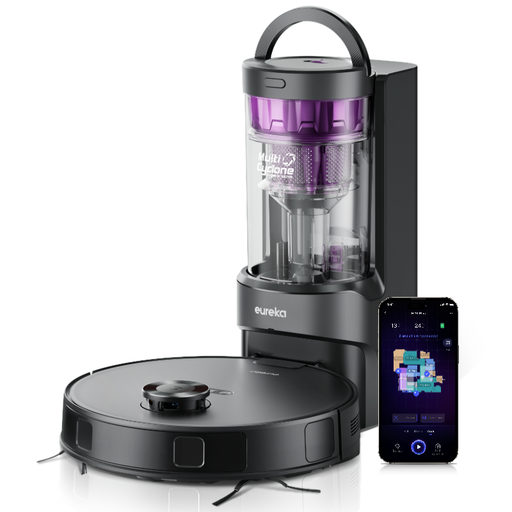
Why This Fits Their Persona: Ideal for users seeking a fully automated cleaning solution with a self-emptying station and mopping function, without investing in a premium model's budget. It offers the core features for a comfortable entry into automated floor care.
The DuoDetect AI 3D Obstacle Avoidance reduces the risk of getting stuck on cables. The automatic 10 mm mop-lifting feature prevents wet carpets—a common annoyance with less expensive combo units.
The bagless self-emptying station avoids recurring costs for dust bags. Its suction power of 8,000 Pa is more than sufficient for hard floors and low-pile carpets.
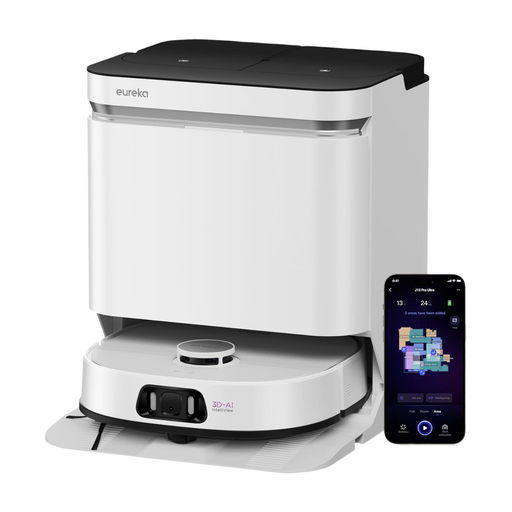
Why This Fits Their Persona: Designed for homes where pet hair and long human hair are a constant challenge. The combination of high suction power and specialized anti-hair technology significantly minimizes maintenance.
Directly addresses the "self-cleaning myth": The FlexiRazor Anti-Hair Tangling Technology actively cuts hair before it can get tangled. The 75°C hot water mop wash ensures hygienically clean mop pads.
The Flex-Arm Design improves edge cleaning. Its high suction power of 16,200 Pa effectively removes deep-seated dirt and pet hair from carpets.
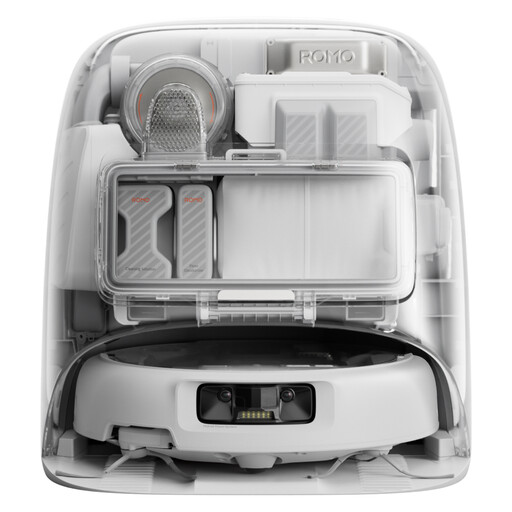
Why This Fits Their Persona: For users who refuse to compromise and are looking for a solution to the persistent problem of edge cleaning. This model integrates innovative mechanical solutions for nearly gapless coverage.
Solves "poor edge cleaning" with extendable robotic arms that move brushes and mops right up to baseboards and into corners. Its navigation technology, derived from drone tech, promises precise obstacle detection.
The mechanically extendable arms provide edge coverage that round robots cannot achieve. The extremely high suction power of 25,000 Pa ensures a thorough deep clean.
We have compiled a complete, up-to-date list of products that fully meet these strict selection criteria and relevant safety standards.
This depends on the model and your usage. For stations with dust bags, the bag needs to be replaced every 30 to 75 days. Bagless systems require emptying a larger container. The clean and dirty water tanks need to be refilled and emptied, respectively, every few days to once a week, depending on cleaning frequency and home size. A regular cleaning of the station itself (contacts, washing tray) is recommended every few weeks to maintain functionality.
Reliability depends on the carpet's pile height and the mop's lifting height. Most models can lift their mopping unit by 7 to 12 mm, which is sufficient for low- and medium-pile carpets. For very high-pile or shaggy carpets, the mop may still touch the carpet. In such cases, it's advisable to set up a "no-mop zone" for that area in the app.
For households with high hygiene standards, children, or pets, the hot water feature offers significant added value. Hot water dissolves grease, dried-on stains, and bacteria from the mop pads much more effectively than cold water. The result is not only a visibly cleaner mopping performance but also a more hygienic clean, as it reduces the spread of germs from the mop.