
Lieferung heute & morgen

Qualitätsgarantie

Willkommens-Angebote freischalten: KOSTENLOSE Lieferung | Bis zu 80 % RABATT | Kostenlose 30-Tage-JoyPlus-Testphase
App herunterladen
A robot vacuum that not only vacuums and mops but also empties and cleans itself promises the ultimate in household convenience. But the market is flooded with devices whose advertised features often fail to deliver in practice. Before making a purchase, it's crucial to understand the common pitfalls that can lead to frustration and unnecessary expense.
As your Joybuy Product Recommendation Officer, I'll help you correctly interpret technical specs and identify the features that are truly essential for reliable, automated cleaning.
Many devices boast impressive numbers and features, but their weaknesses quickly become apparent in daily use. Pay close attention to these three points to avoid a bad purchase:
To ensure your new household helper is a genuine labour-saver, you should closely examine three key technical features.
The type of navigation determines how efficiently and systematically a robot cleans your living space.
A good robot vacuum and mop must be able to handle mixed floor types without requiring manual intervention.
A robot mop with an auto-empty dock should do more than just empty the dustbin. A fully autonomous self-cleaning robot vacuum offers the following functions:
Based on the criteria above, we have identified several models that represent a considered choice for different needs and households.
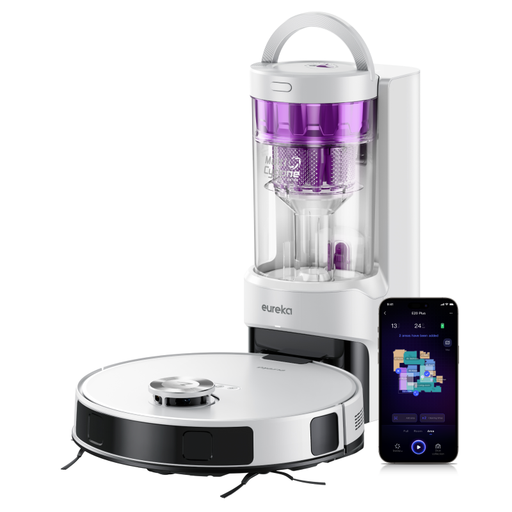
Why it's a good fit: Ideal for pet owners who deal with hair on hard floors and carpets daily. The high suction power and specialised brush system are designed to pick up pet hair.
The anti-tangle system, with its special side and main brushes, prevents long hairs from getting caught and compromising cleaning performance—a common problem with standard brushes.
The combination of 10,000 Pa suction power and the 10 mm lifting mop ensures a deep clean on carpets while simultaneously protecting them from moisture.
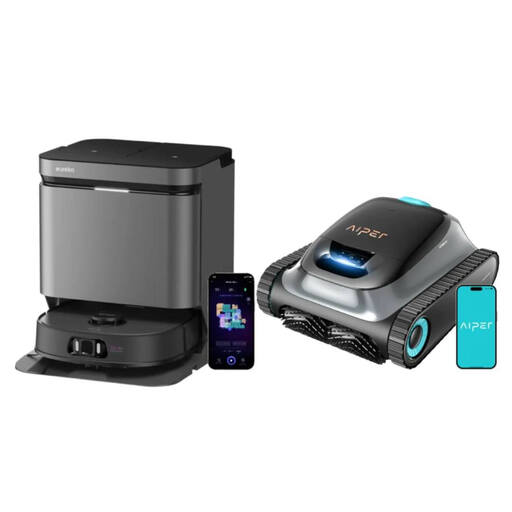
Why it's a good fit: For users seeking a fully automatic "all-in-one" solution with maximum convenience, who value advanced technology and minimal manual intervention.
The station bypasses the maintenance bottleneck with fully automatic 75°C hot-water mop washing and hot-air drying. The extendable mops (ScrubExtend technology) also solve the problem of uncleaned edges.
The IntelliView AI Dirt Detection, according to the manufacturer, identifies over 150 types of dirt and dynamically adjusts the cleaning strategy while precisely navigating around obstacles.
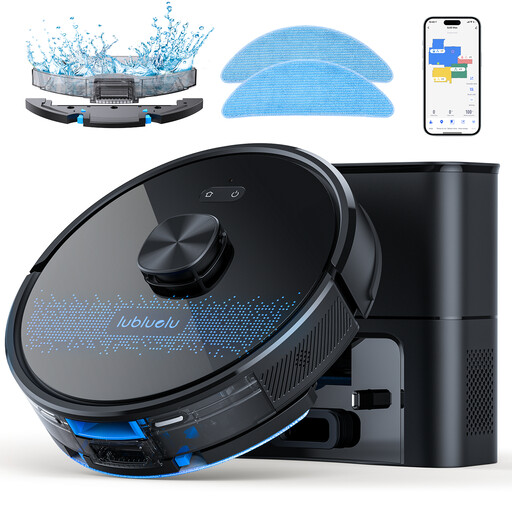
Why it's a good fit: A solid choice for anyone looking to enter the world of fully automated cleaning without sacrificing core features like an auto-empty dock and precise navigation.
This model relies on dependable Laser Navigation instead of imprecise gyroscope control. This ensures systematic, comprehensive cleaning and avoids the frustration of inefficient routes.
Offers a complete automation package with its 3-in-1 function (vacuuming, mopping, auto-emptying). The app control also allows for the creation of cleaning schedules and no-go zones.
We have compiled a complete, up-to-date list of products that fully meet these strict selection criteria and the German safety regulations.
The maintenance frequency depends on the model. For devices with dust bags, the bag needs to be replaced every 30 to 75 days, depending on household size and dirt levels. For stations that also wash and dry the mop pads, you should regularly empty the dirty water tank and refill the clean water tank. Occasional cleaning of the charging contacts and sensors on both the station and the robot is also recommended to ensure smooth operation.
Yes, that is one of the major advantages of LiDAR technology. Unlike camera-based systems that rely on good lighting conditions, laser navigation works precisely even in complete darkness. This means you can easily have the robot clean at night or in darkened rooms.
Yes, modern devices are very well-suited for these demanding conditions, provided they have the right features. Look for high suction power (e.g., 5000 Pa or more), automatic suction boost on carpets, and a brush with anti-tangle technology. A robot vacuum for pet hair with a lifting mop pad is crucial for keeping carpets dry while thoroughly mopping hard floors.