
Lieferung heute & morgen

Qualitätsgarantie

Willkommens-Angebote freischalten: KOSTENLOSE Lieferung | Bis zu 80 % RABATT | Kostenlose 30-Tage-JoyPlus-Testphase
App herunterladen
The idea is tempting: a single device that vacuums, mops, and then cleans itself in its station. A robot vacuum with a mopping function and cleaning station promises just that—the ultimate in convenience and a permanently clean home. But the market is flooded with devices whose marketing promises often fall short in practice. Before you invest, it's crucial to understand the common pitfalls that lead to disappointment and unnecessary expense.
As your Joybuy Product Recommendation Officer, I'll help you separate the wheat from the chaff. We'll highlight the critical features that define a truly autonomous cleaning assistant and show you which technical specifications actually matter.
Many devices look impressive on paper but only reveal their weaknesses during daily use. Pay special attention to these three points to avoid a bad purchase:
To avoid the problems mentioned above, don't be swayed by mere marketing terms; instead, focus on verifiable technical specifications.
Suction power is measured in Pascals (Pa) and describes the vacuum pressure the device can generate. While a high number looks impressive, it alone is no guarantee of cleanliness. However, for homes with carpets or pets, high suction power is a basic requirement. Models with 16200 Pa of suction power or more offer the necessary force to reliably remove deep-seated dirt and pet hair from carpet fibres. How the robot uses this power is also important—intelligent carpet detection that automatically increases suction is a key advantage here.
A modern robot vacuum and mop with an all-in-one station should perform comprehensive maintenance. Look for the following features that offer real added value:
The ability to clean a room completely depends on the navigation technology. Modern LiDAR systems and AI-powered obstacle avoidance are standard. However, the decisive difference is seen in a robot with edge cleaning. Innovative models use extendable side arms or mops (Flex-Arm Design) that specifically reach right up to the baseboards and into corners. This eliminates the typical dirt lines and ensures a consistently clean result.
Based on these objective criteria, we have put together a selection of devices that offer a suitable solution for different user profiles.
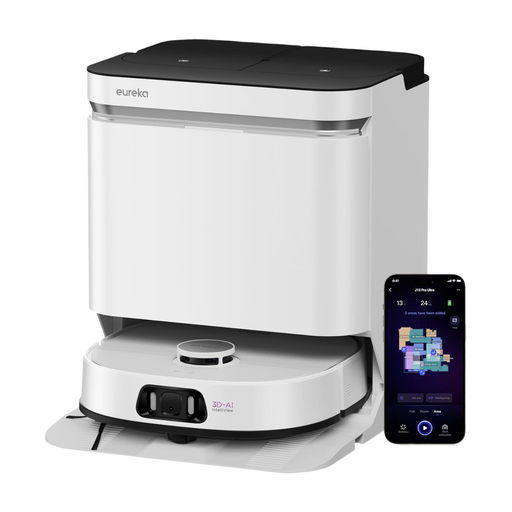
Why This Fits Their Persona: Ideal for tech-savvy households seeking the highest level of automation and cleaning performance, and who are willing to invest in a true "hands-off" solution.
The 8-in-1 station cleans the mops with 75°C hot water and dries them. The Flex-Arm Design ensures precise edge cleaning, and the FlexiRazor anti-tangle technology prevents tangled brushes.
The combination of 16200 Pa suction power, intelligent dirt detection, and a fully automatic maintenance station offers a comprehensive, low-maintenance cleaning solution.
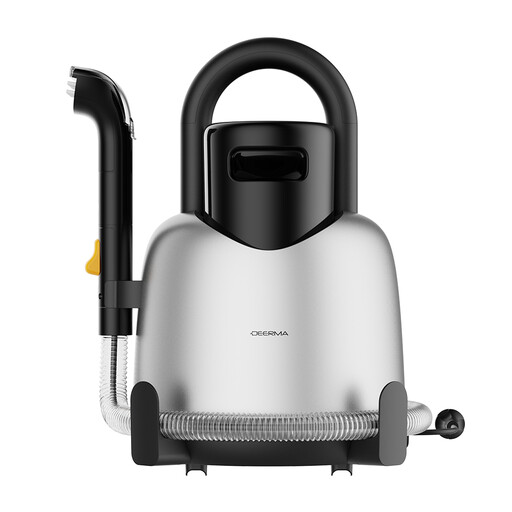
Why This Fits Their Persona: Perfect for households with children or pets where stubborn stains on upholstery, carpets, or car seats are a regular occurrence and require targeted, intensive treatment.
This device bypasses the limited mopping power of robots by offering a specialised solution. It tackles stains directly with high-temperature steam and powerful suction, rather than just superficially wiping them.
The combination of 100°C steam, 60°C hot water rinsing, and 13 kPa suction power enables a hygienic deep clean of fabric surfaces that a robot vacuum and mop alone cannot achieve.
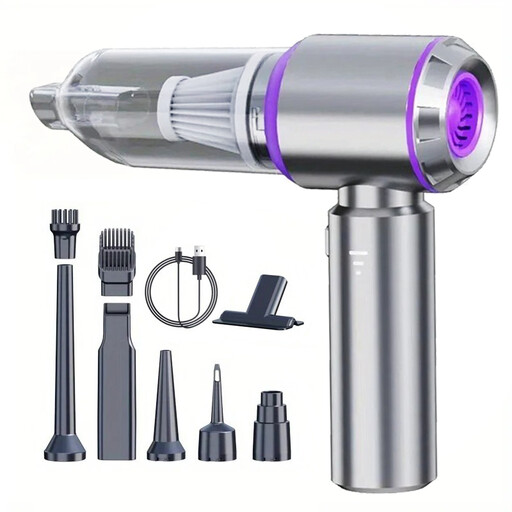
Why This Fits Their Persona: For users who need a powerful, cordless supplement to their robot vacuum to quickly and efficiently clean hard-to-reach areas like cars, stairs, or upholstered furniture.
This device solves the problem of inaccessible areas. While the robot takes care of the floors, this handheld vacuum provides the necessary suction power and flexibility for all other cleaning tasks in and around the house.
With 16,000 PA of suction power, comparable to that of premium robots, and a brushless motor, it offers high cleaning performance in a compact, cordless format. The 4-in-1 function (vacuum, blow, pump, charge) increases its versatility.
We have compiled a complete, up-to-date list of products that fully meet these strict selection criteria and all relevant safety standards.
With an advanced, self-cleaning robot vacuum, the manual effort is minimal. The dust bag in the station needs to be changed approximately every 60-75 days, depending on the size of your household and the amount of dirt. The clean and dirty water tanks should be emptied or refilled every few days or weekly, depending on usage frequency. A station that self-rinses significantly reduces the effort of cleaning the washing tray.
Yes, modern devices are designed for this. They feature automatic carpet detection. When the robot moves onto a carpet, it lifts its mop pads to avoid getting the carpet wet and simultaneously increases suction power for a deeper clean. After leaving the carpet, it lowers the mops again and continues the mopping process.
A high Pa number is a good indicator of strong suction capability, which is especially important for carpets and picking up pet hair. However, it's not the only factor. The design of the brush (e.g., anti-tangle technology), the efficiency of the filter system, and the intelligence of the software that adapts suction power to the surface are just as crucial for the overall result. A balanced system is more important than a single peak value.