
Lieferung heute & morgen

Qualitätsgarantie

Willkommens-Angebote freischalten: KOSTENLOSE Lieferung | Bis zu 80 % RABATT | Kostenlose 30-Tage-JoyPlus-Testphase
App herunterladen
A robot that not only vacuums but also mops and then cleans itself—the promise of a robot vacuum with a mopping function and an all-in-one station is appealing. Yet, the market is filled with devices whose marketing promises more than the technology can deliver. Many buyers quickly find that their expensive new gadget requires more manual intervention than expected. This guide highlights the most common pitfalls and explains which technical features truly matter.
Written by: Joybuy Product Recommendation OfficerDate: July 28, 2026
Before you make a purchasing decision, you should be aware of the typical marketing exaggerations that often lead to disappointment.
To avoid the pitfalls mentioned above, you should carefully examine three core components of a robot vacuum. These determine the actual cleaning quality and the degree of automation in your daily life.
A robot's ability to move intelligently and safely through your home is fundamental.
A good mopping function is more than just a wet rag. Look for the following technologies:
An "all-in-one" station should offer at least these four functions to truly minimize maintenance:
Here are some models that, based on their technical specifications, meet specific requirements well and avoid the common pitfalls.
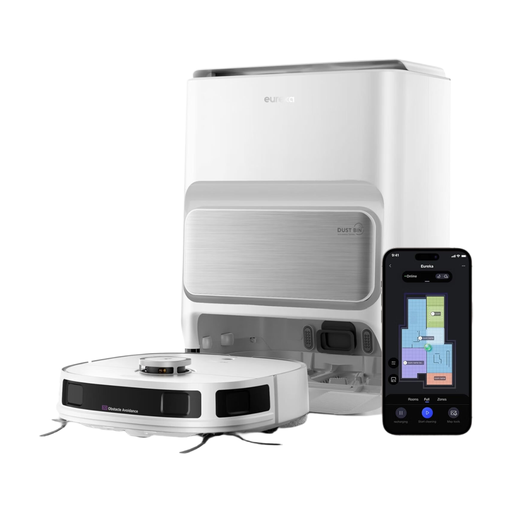
Why This Fits Their Persona: This model is aimed at users looking for a fully automated cleaning solution without a premium budget. It offers comprehensive station functionality that is normally reserved for more expensive devices.
It bypasses the "semi-automatic" trap with an all-in-one station that empties dust, washes the mops, and dries them with 55°C hot air. This prevents odour buildup and manual follow-up work.
Full Automation: The station offers self-emptying, mop washing, and drying. Intelligent Navigation: Dual-LiDAR and 3D AI obstacle avoidance ensure reliable cleaning.
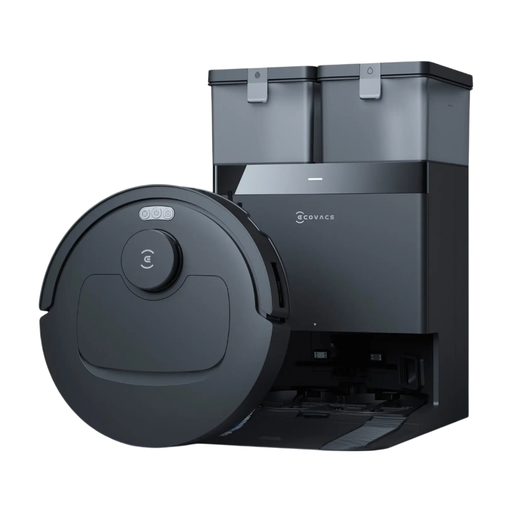
Why This Fits Their Persona: Ideal for pet owners and users with high standards for cleanliness and hygiene. The combination of very high suction power, anti-tangle technology, and hot-water mop cleaning is designed to eliminate pet hair and neutralize bacteria.
Avoids the "Pascal Trap" with 25,000 Pa of suction power combined with a ZeroTangle brush that effectively picks up hair. The 75°C hot-water mop wash combats the "wet wipe effect" by hygienically deep-cleaning the mops.
High Suction for Pet Hair: The 25,000 Pa suction power is designed to lift pet hair from carpets. Hygienic Mop Cleaning: The station washes the mops with 75°C hot water.
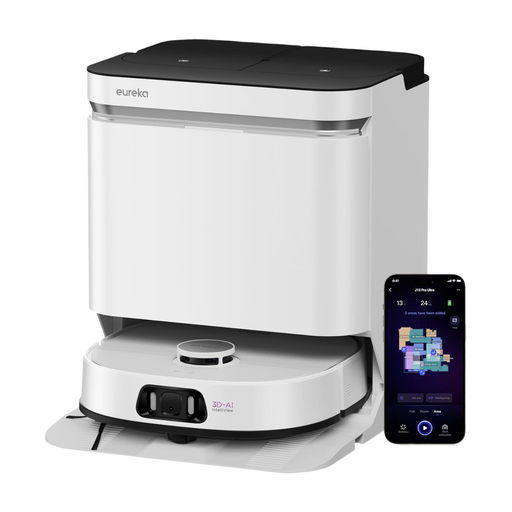
Why This Fits Their Persona: Perfect for users with complex room layouts and high standards for comprehensive cleaning. Anyone annoyed by robots leaving dirt along edges and in corners will find a targeted technical solution here.
Addresses the weakness of many robots that fail to reach edges. The "Flex-arm" technology actively extends the mop pad to clean right up to the baseboards. This avoids the typical uncleaned border strip.
Precise Edge Cleaning: The extendable mopping system cleans corners and edges. Anti-Tangle Technology: The FlexiRazor technology actively cuts hair to reduce tangles in the brush roll.
We have compiled a complete, up-to-date list of products that fully meet these strict selection criteria and German safety regulations.
The frequency heavily depends on the size of your home, the amount of dirt, and the number of pets. For average use, the dust bag in the station needs to be changed approximately every 45 to 75 days. The dirty water tank should be emptied and the fresh water tank refilled after every 1-2 full cleaning cycles to ensure optimal mopping performance and hygiene.
Yes, modern devices are designed for this. Models with ultrasonic sensors automatically detect carpets. They then increase suction power for a deep clean and lift the mop pads to keep the carpet dry. This feature is crucial for households with a mix of hard floors and carpets.
The setup is generally straightforward. After unpacking and plugging in the station, you download the manufacturer's app. The app guides you step-by-step through connecting the robot to your Wi-Fi network (usually 2.4 GHz). During its first cleaning run, the robot creates a map of your home. Afterwards, you can use the app to create cleaning schedules, define no-go zones, and customize cleaning modes.