
Lieferung heute & morgen

Qualitätsgarantie

Willkommens-Angebote freischalten: KOSTENLOSE Lieferung | Bis zu 80 % RABATT | Kostenlose 30-Tage-JoyPlus-Testphase
App herunterladen
It's a tempting proposition: a device that vacuums and mops on its own while you focus on other things. But the market for robot vacuum and mop combos is crowded, and not every model delivers on its promises. As your Joybuy Product Recommendation Officer, I'll help you identify the crucial features and avoid common buying mistakes.
Many devices look impressive on paper but prove impractical in daily use. Pay close attention to these three points to avoid a bad investment.
To separate the wheat from the chaff, you should focus on a few, but crucial, technical features.
The type of navigation determines how efficiently and reliably the robot cleans your home.
For most households, LiDAR navigation offers the most reliable and fastest mapping.
A good robot vacuum and mop must intelligently combine both tasks, especially on mixed floor types.
Battery life is important, but the "Recharge and Resume" feature is more critical. This allows the robot to return to its station when the battery is low, recharge, and then continue cleaning from the exact spot it left off. For allergy sufferers and pet owners, a HEPA (High-Efficiency Particulate Air) filter is also relevant, as it reliably filters fine dust particles and allergens from the air.
Instead of making a one-size-fits-all recommendation, we've identified models that are tailored to specific needs and households.
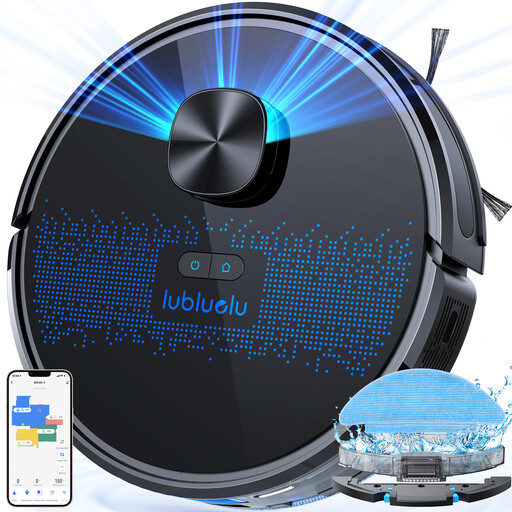
Why This Fits Their Persona: Ideal for users who want reliable, intelligent navigation without the premium price tag. Perfect for apartments and smaller homes with mostly hard floors.
Thanks to LiDAR navigation, it cleans systematically, avoiding the chaotic routing trap. Its 2-in-1 system provides a solid combined cleaning performance that goes beyond simply dragging a wet cloth.
Precise map creation with storage for up to 5 maps. At 55 dB, it's a comparatively quiet robot vacuum.
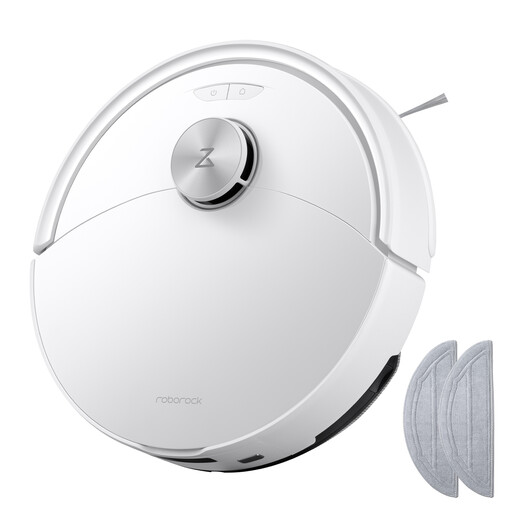
Why This Fits Their Persona: Designed for the most demanding scenarios: pet hair, deep-seated dirt in carpets, and the need to mop hard floors without getting carpets wet.
The 10,000 Pa suction power isn't just an empty marketing number here; it's backed by a dual anti-tangle brush system. The auto-lifting mop function elegantly solves the problem of wet carpets.
Outstanding suction power for a robot vacuum for pet hair. Intelligent carpet detection and cleaning strategy adjustment.
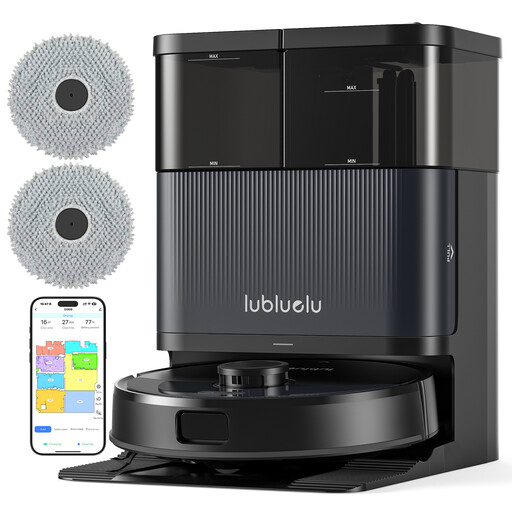
Why This Fits Their Persona: For users seeking a nearly fully autonomous cleaning solution for large living spaces and wanting to reduce manual maintenance to an absolute minimum.
The all-in-one station not only automates dust disposal but also the washing and drying of the mop pad. This addresses the hidden effort required by many 2-in-1 models (manually cleaning the mop).
Fully automated operation for weeks. Strong 10,000 Pa suction power and precise LiDAR navigation for efficient cleaning of large areas.
We have compiled a complete, up-to-date list of products that fully meet these strict selection criteria and rigorous safety standards.
Yes, many modern devices are capable of this. Models with ultrasonic sensors or advanced camera detection identify carpet edges. They react by either lifting the mop plate to cross the carpet dryly or by treating the area as a "no-mop zone" and avoiding it while mopping. This is a key feature for households with mixed floor types.
The frequency largely depends on the size of your home, how often you run it, and whether you have pets. On average, the bag in a robot vacuum with an auto-empty station needs to be replaced every 30 to 60 days. Most apps will notify you when a change is due.
Usually not. The process is designed to be very user-friendly by most manufacturers. It typically involves setting up the charging station, downloading the companion app to your smartphone, and connecting the robot to your 2.4 GHz Wi-Fi network. The first mapping run, where the robot gets to know your home, usually starts automatically after that.