
Lieferung heute & morgen

Qualitätsgarantie

Willkommens-Angebote freischalten: KOSTENLOSE Lieferung | Bis zu 80 % RABATT | Kostenlose 30-Tage-JoyPlus-Testphase
App herunterladen
A robot vacuum cleaner with a mopping function can make everyday floor care much easier. However, not every model is right for every home. Strong suction, app control and a modern docking station may sound impressive, but they don’t tell you on their own how reliably a robot will perform day to day.
Three common issues can lead to the wrong purchase:
For homes in the UK, the layout, flooring, pet hair, door thresholds and available space for the station are all important factors to consider.
The Pa rating is a technical guide. Models with strong suction can pick up loose dirt, crumbs and hair. For carpets, it’s also important to check whether the robot adjusts its power automatically and whether the main brush is designed to minimise hair tangles.
If you have pets, look for a robot vacuum cleaner for pet hair with:
Even a robot vacuum cleaner with powerful suction won’t replace the occasional manual clean of especially deep-pile carpets. Treat manufacturers’ figures as a comparison guide, rather than the only measure of quality.
There are significant differences between robot vacuum and mop cleaners. Rotating mop pads generally make more direct contact with the floor than a cloth simply dragged along behind the robot. For carpets, automatic mop lifting or a customisable no-go zone is important.
Look for:
A robot vacuum cleaner with hot-water mop washing can rinse the mop pads with warm water after a cleaning run. This reduces the amount of manual cleaning, but you’ll still need to empty the dirty-water tank regularly and check the washing tray.
A robot vacuum cleaner with LiDAR navigation uses a laser to map rooms and plan systematic routes. This is especially useful in larger homes, properties with multiple floors or homes with lots of rooms. Cameras and structured-light sensors can also help the robot spot cables, shoes and other obstacles.
Before you buy, check:
Even an automatic robot vacuum cleaner needs a clear floor to work properly. Pick up cables, small toys, shoelaces and delicate items before starting a clean.
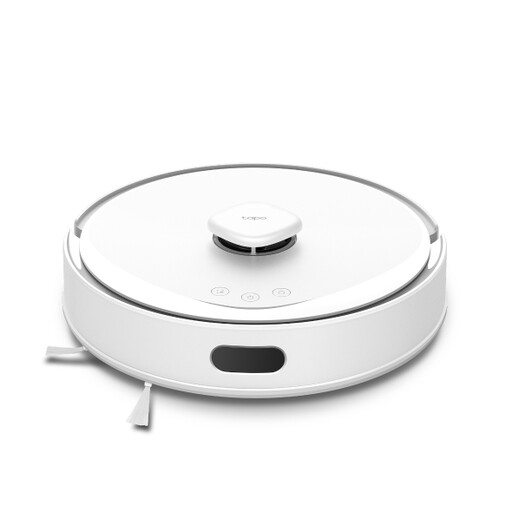
Why this product suits this type of home: This model combines vacuuming and mopping with LiDAR and IMU navigation, app control and multi-map storage for up to four floors.
Five suction levels and three water-flow settings let you adjust cleaning for hard floors and carpets, rather than relying on a single fixed programme.
5,300 Pa, H11 filter, automatic return to the charging station and cleaning resumption.
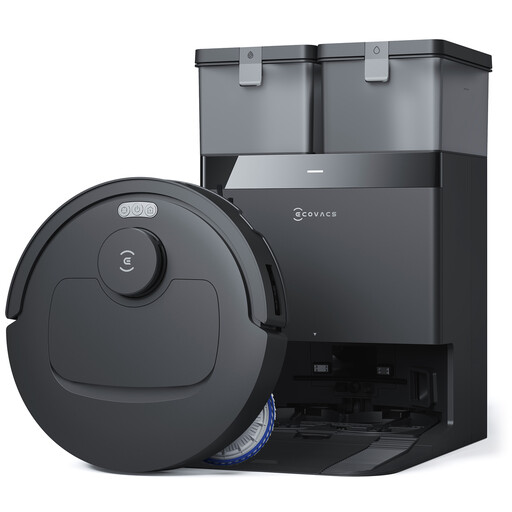
Why this product suits this type of home: This model combines 25,000 Pa suction with laser-based TrueMapping 2.0 navigation and an OMNI station with automated maintenance features.
According to the product information, the mop pads are washed with 75 °C water and dried with 45 °C warm air. Mop lifting is designed to help protect carpets.
Four suction levels, automatic dust emptying, carpet detection and up to 180 minutes of runtime.
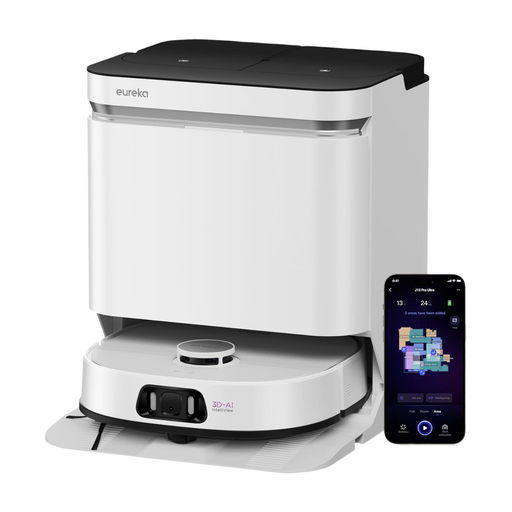
Why this product suits this type of home: Anti-tangle technology, liquid detection and a self-cleaning station are useful for homes with pet hair and frequent cleaning cycles.
According to the product description, FlexiRazor technology is designed to reduce hair tangles. The station takes care of dust emptying, mop washing and drying.
16,200 Pa, 75 °C mop washing and automatic station self-cleaning.
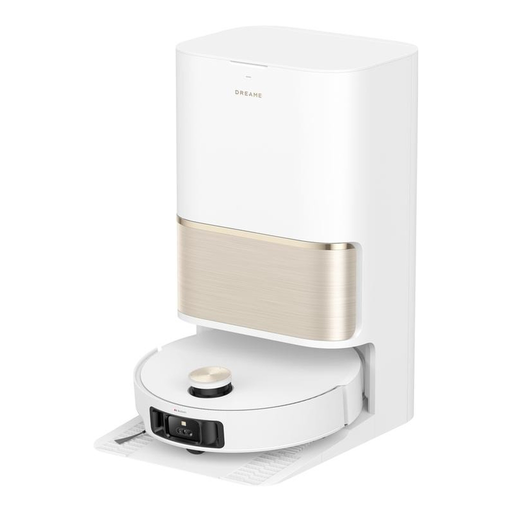
Why this product suits this type of home: A 6,400 mAh battery, up to 230 minutes of runtime and automatic station maintenance make this model well suited to larger areas.
Its extendable components and VersaLift navigation are designed to handle edges and low furniture, while a 3.2-litre dust bag means less frequent emptying.
19,500 Pa, mop lifting up to 10.5 mm, 75 °C mop washing and automatic water supply.
We’ve put together a complete, regularly updated list of products that meet these strict selection criteria and fully comply with the safety regulations in force in the EU.
A robot vacuum cleaner with an auto-empty station still needs consumables. These include dust bags, filters, side brushes, main brushes and mop pads. Stations that wash mop pads also need cleaning solution, and their clean and dirty water needs changing regularly.
For reliable performance over time, we recommend:
Actual runtime depends on the suction setting, the amount of carpet, the map layout and the mopping mode. Manufacturer claims such as ‘up to’ are a guide, not a guarantee of how much floor area the robot can clean.
On hard floors, the mopping function can help with regular cleaning. It won’t necessarily replace a thorough manual clean, especially when dealing with heavily dried-on or sticky dirt. For carpets, the robot should have mop lifting or suitable no-go zones.
Lifespan depends on battery use, maintenance, how often the robot is used and whether replacement parts are available. Regularly looking after the brushes, filters, sensors and station can help keep it working well. Before buying, check that replacement parts and customer support are available for the specific model.
Energy use depends on how often the robot needs charging, the area being cleaned, the suction setting and the station’s features. Models with auto-emptying, hot-water mop washing or hot-air drying also use energy to run the station. Schedules and a suitable suction setting can help tailor operation to your needs.