
Lieferung heute & morgen

Qualitätsgarantie

Willkommens-Angebote freischalten: KOSTENLOSE Lieferung | Bis zu 80 % RABATT | Kostenlose 30-Tage-JoyPlus-Testphase
App herunterladen
A robot vacuum with a mop can take much of the daily floor care off your hands. However, models vary considerably when it comes to navigation, edge cleaning, maintenance and actual mopping performance. Robot vacuum and mop combos are also often compared with cordless wet and dry vacuum cleaners, even though these two types of appliance are designed for different tasks.
If you buy without checking the details, you could fall into one of three common traps:
For homes with several rooms, laser navigation, detailed maps and reliable obstacle detection are useful features. You should still try to clear cables, toys and pet bowls from the floor. These systems can’t reliably detect every small or low-lying obstacle.
Also check the details on edge cleaning. According to product descriptions, technologies such as TruEdge or extendable side brushes can help the robot get closer to walls and furniture. However, how well they work will depend on the layout of your walls, skirting boards and floor surface.
The Pa rating describes one aspect of suction, but it isn’t a consistent way to compare quality across different manufacturers. If you’re looking for a robot vacuum for pet hair, also look for a main brush designed to minimise tangles, an easy-access brush cover and automatic suction boost on carpets.
If your home has both hard floors and carpets, check:
A self-cleaning robot vacuum can wash and dry its mop pads at the station. Models with automatic detergent dispensing, a dirty water tank and hot-air drying reduce the amount of manual work. Even so, you’ll need to check the tanks, filters, brushes and cleaning tray regularly.
A traditional wet and dry vacuum cleaner, by contrast, is usually operated by hand. It’s particularly useful for spills, sticky messes and targeted cleaning of hard floors. A cordless wet and dry vacuum cleaner doesn’t need to navigate or move around your home by itself, but it gives you direct control over the cleaning.
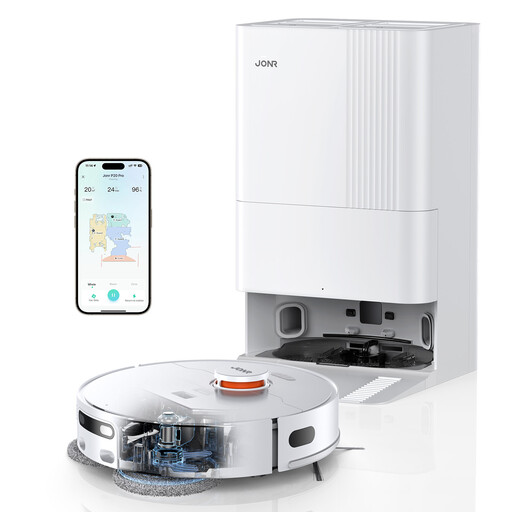
Why it suits this type of home: This robot combines laser navigation, mopping and vacuuming, with up to 150 minutes of runtime in combined mode, according to the product details.
Automatic returns to the station and map guidance reduce the need for manual control. You should still clear obstacles and cables before starting.
8.150 Pa stated suction power, hot-air drying and a 5.200-mAh battery, according to the product details.

Why it suits this type of home: This model combines laser navigation, automatic dust emptying, mop-pad washing and carpet detection for a largely automated cleaning routine.
According to the product description, the mop pads lift when the robot reaches carpet. This reduces the risk of dampening carpeted areas while mopping.
Up to 25.000 Pa, 180 minutes of runtime, ZeroTangle 3.0, plus washing at 75 degrees and hot-air drying at 45 degrees, according to the product details.
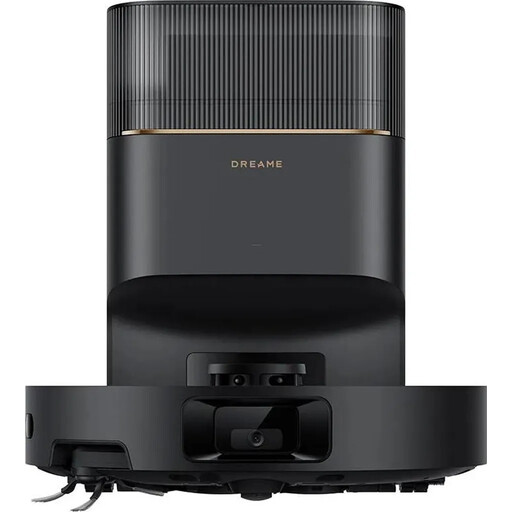
Why it suits this type of home: A 5-litre dust bag, a DuoBrush designed to minimise tangles and up to 285 minutes of runtime in vacuum-and-mop mode make this model a good fit for larger homes and households with pets.
The station takes care of emptying the dust. You’ll still need to maintain and dry the filters, brushes and mop pad according to the manufacturer’s instructions.
13.000 Pa, a 5-litre dust bag, 3D obstacle detection and automatic carpet detection, according to the product description.
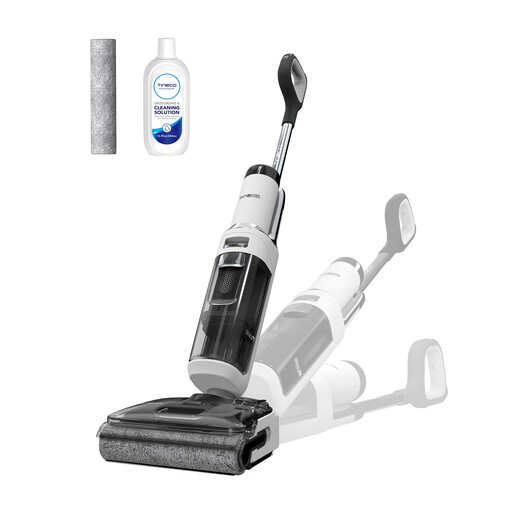
Why it suits this type of home: This cordless wet and dry vacuum cleaner is designed for sealed hard floors and can reach underneath low furniture.
The product details specifically list hard floors such as tiles, laminate and sealed wood. This type of appliance isn’t designed for deep-pile carpets.
180-degree lay-flat design, a height of 13 centimetres when reclined and up to 40 minutes of runtime, according to the product details.
We’ve put together a complete, regularly updated list of products that meet these strict selection criteria and comply fully with the safety regulations in force in the EU.
No, their uses only overlap to some extent. A robot takes care of scheduled floor cleaning and moves around accessible rooms on its own. A wet and dry vacuum cleaner is better for individual stains, spills and heavily soiled areas of hard flooring. Only pick up large quantities of liquid if the instruction manual specifically says it’s suitable.
The dust container or dust bag, dirty water tank, mop pads, filters and brushes all need regular care. Even with an automatic cleaning station, don’t leave dirty water or residue in the appliance for long periods. The right cleaning intervals will depend on how often you use it, your household, pet hair and the manufacturer’s instructions.
A runtime of around 90 to 120 minutes may be enough for a small flat. Larger floorplans, several carpets and intensive mopping modes all use more power. So it’s not just the battery rating that matters: check the automatic recharging, mapping and whether the robot resumes cleaning by itself after charging.