
Lieferung heute & morgen

Qualitätsgarantie

Willkommens-Angebote freischalten: KOSTENLOSE Lieferung | Bis zu 80 % RABATT | Kostenlose 30-Tage-JoyPlus-Testphase
App herunterladen
A robot vacuum cleaner with a mopping function can combine vacuuming with damp mopping. To make sure it remains a worthwhile purchase for your home in the long term, though, you should look beyond suction figures and app features. The key factors are the combination of navigation, brush design, docking station, carpet detection and the maintenance actually required.
The figure in pascals describes the theoretical suction pressure. On its own, however, it doesn’t show how well a device picks up hair, crumbs or dust from a carpet. The main brush, airflow, automatic power adjustment and ability to make several passes over heavily soiled areas are just as important.
A robot vacuum for pet hair should therefore also have an anti-tangle design or a brush that’s easy to access. Long hair can quickly clog even powerful devices if they don’t have a suitable brush design.
A docking station can empty the dust container, top up the water and wash and dry the mop pads. Even so, you’ll still need to check the dirty water tank, filters, brushes, sensors and, where applicable, the base plate regularly. Consumables such as dust bags, mop pads and cleaning solution can also add to the running costs.
When choosing a self-cleaning robot vacuum, check which tasks the station actually takes care of and what still needs to be done by hand.
A robot vacuum and mop needs to treat hard floors and carpets differently. Automatic carpet detection combined with liftable mop pads reduces the risk of damp pads being dragged over carpeted areas. Even so, check the carpet pile, floor transitions and the lift height specified for the model.
If you have pets or lots of soft furnishings, these points are worth considering:
A robot vacuum with an auto-empty station is particularly useful for families, pet owners and homes with a large floor area. If you’re considering a model with a dust bag, check how easy it is to find replacement bags. Bagless stations avoid this consumable, but their collection containers need regular cleaning instead.
A robot vacuum with LiDAR navigation uses a laser to map your home and can clean rooms in a systematic pattern. This is useful if you have several rooms, multiple floors or a larger living space. You should also look for sensors that detect stairs, furniture and smaller objects.
Bear in mind that even advanced obstacle detection won’t eliminate the need to tidy up completely. Pick up cables, small toys and breakable items, and clear away any liquids before starting the robot. If you have children or pets, no-go zones and virtual walls in the app can also come in handy.
A station with hot-water mop cleaning can automatically wash the pads after a cleaning run. Some devices then dry them with warm air. The temperature refers to the technical washing or drying process; it doesn’t indicate a medical or hygiene benefit.
Look out for:
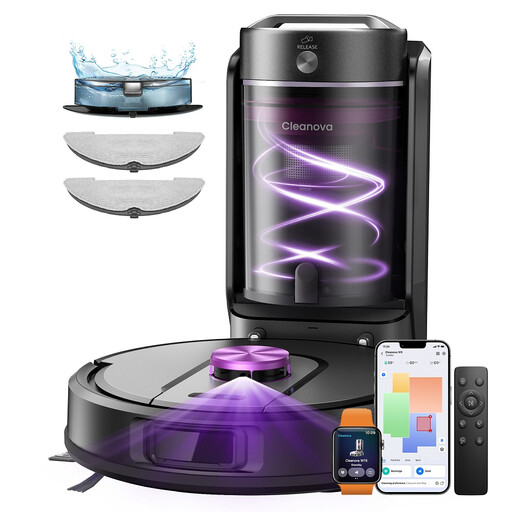
Why this product suits your needs: This model combines vacuuming and mopping with LiDAR navigation, app control and a bagless 4-litre auto-empty station.
The bagless station reduces the need for dust bags. Three suction levels and three water flow settings let you adjust the robot for hard floors and carpets.
According to the product information: 10,000 Pa suction power, up to five maps and up to 180 minutes of runtime.
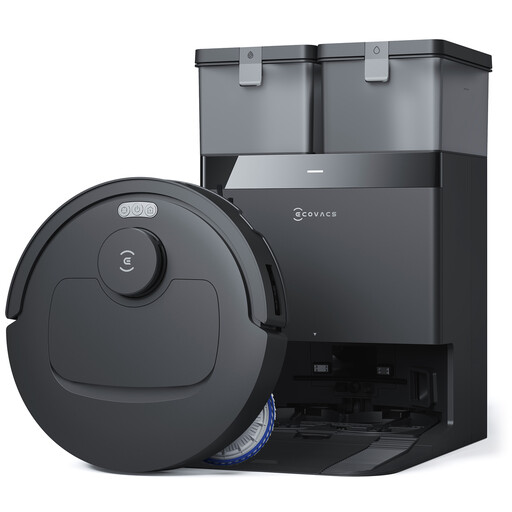
Why this product suits your needs: The OMNI station takes care of dust emptying, mop washing and drying, and is designed to automate household cleaning routines.
Automatic mop lifting on carpets keeps mopping separate from carpet cleaning. According to the product information, ZeroTangle 3.0 is designed to reduce hair tangles.
According to the product information: 25,000 Pa suction power, 75°C mop washing, 45°C drying and up to 180 minutes of runtime.
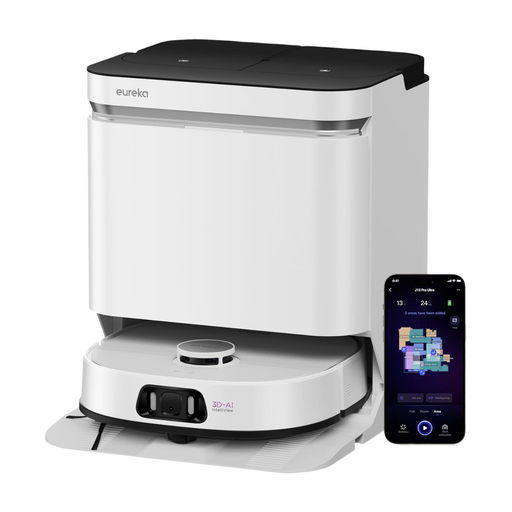
Why this product suits your needs: This device is aimed at households with pet hair, hard floors and carpets that want extensive automation from their docking station.
According to the product information, FlexiRazor technology is designed to reduce hair tangles. The station takes care of emptying, refilling the water and washing and drying the mop pads.
According to the product information: 16,200 Pa suction power, 75°C mop washing, 55°C warm-air drying and up to three hours of runtime.
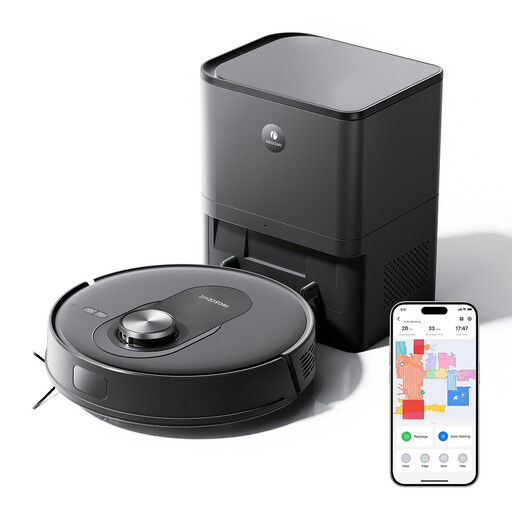
Why this product suits your needs: This model combines LiDAR mapping, room planning and an auto-empty station for homes with several areas to clean.
LiDAR navigation supports systematic cleaning routes and lets you set up no-go zones. The auto-empty station reduces the need for daily manual emptying.
According to the product information: 8,000 Pa suction power, up to five maps, app and voice control, and up to 200 minutes of runtime.
We’ve put together a complete, regularly updated list of products that meet these strict selection criteria and fully comply with the safety regulations in force in the EU.
Before using it for the first time, place the station on a level surface with enough clearance around it. Pick up cables, small objects and delicate decorations from the floor. Next, it’s a good idea to map all the rooms. The app will often let you set cleaning schedules, no-go zones, room order and suction levels.
To keep performance consistent, clean the filters and brushes as instructed in the manual. Keep the charging contacts dry. Children should not touch hot-water or warm-air stations while they’re operating. Liquids, hot ash and flammable substances should never go in the robot vacuum.
On hard floors such as tiles, laminate and sealed parquet, the mopping function can complement your regular floor care. It won’t necessarily replace a thorough manual clean, particularly when dealing with dried-on dirt, delicate surfaces or larger spills.
As well as electricity, you may need to pay for dust bags, filters, mop pads, brushes and approved cleaning solutions. A bagless auto-empty station means you won’t need to buy replacement bags regularly, but the filters and collection container still need looking after. Check replacement part prices and availability before you buy.
Its lifespan depends on how often you use it, your floor conditions, how well it’s maintained and whether replacement parts are available. Removing hair regularly, cleaning the sensors and replacing filters and brushes when needed can help keep it running reliably. Check the retailer’s and manufacturer’s information for the specific warranty and service terms.