
Lieferung heute & morgen

Qualitätsgarantie

Willkommens-Angebote freischalten: KOSTENLOSE Lieferung | Bis zu 80 % RABATT | Kostenlose 30-Tage-JoyPlus-Testphase
App herunterladen
A robot vacuum cleaner with a mopping function can make everyday floor care much easier. However, not every model automatically means less work. Details such as carpet detection, brush maintenance, dock size and navigation quality often determine whether a device is practical in a British home.
The stated suction power in pascals (Pa) describes the motor’s suction pressure. A high figure can be useful for pet hair, crumbs and carpets, but on its own it says little about the brush design, airflow or actual cleaning coverage. So also check:
A robot vacuum cleaner for pet hair should not just have a high Pa rating; it should also be easy to clean regularly.
Many devices simply drag a damp cloth across the floor. This is suitable for light everyday marks, but it will not always replace manual cleaning in more heavily soiled areas. Look for adjustable water flow, separate cleaning modes and automatic mop lifting on carpets.
Maintenance is also important: mop pads need to be washed or dried after use. A dock with mop washing and hot-air drying can reduce the upkeep involved, but it needs space and regular water-tank maintenance.
A smart robot vacuum cleaner can map rooms and set no-go zones. However, it can still get caught on loose cables, thin fabrics or high door thresholds. Before you buy, measure the height of the unit, its obstacle clearance and the space available for the charging dock.
For hard floors, lower power settings are often enough, depending on how dirty they are. Homes with dogs, cats or lots of carpets can benefit from several suction settings and automatic carpet boost. A robot vacuum cleaner with high suction power should also have an easily accessible filter and a removable main brush.
Anti-tangle systems are useful if you have long hair. They will not prevent every tangle, but they can reduce the need to remove hair by hand. Even so, check the main brush, side brush and wheels regularly.
A robot vacuum cleaner with laser navigation uses LiDAR or LDS to create a map of your home. This allows it to clean in systematic paths, tackle rooms individually and set virtual walls. Cameras or 3D sensors can also help it detect shoes, cables or pet accessories.
Bear in mind that dark carpets, reflective surfaces and very low objects can affect sensors, depending on the model. The first mapping run should be done with the floors cleared.
A robot vacuum cleaner with an auto-empty dock empties its dust container automatically. Some docks also wash and dry the mop and dispense cleaning solution. Before you buy, check:
The runtime quoted on the packaging depends on the suction setting, the proportion of carpet and whether the mopping function is in use. For larger homes, it is useful if the robot returns to charge automatically and then resumes cleaning.
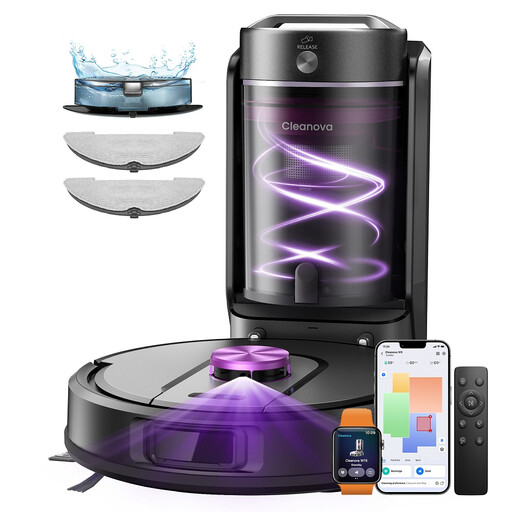
Why this product suits this profile: This model combines vacuuming and mopping with a bagless emptying dock. According to the product specifications, it offers 10,000 Pa, LiDAR navigation, up to five maps and a runtime of up to 180 minutes.
The bagless 4-litre dock reduces the need for dust bags. Several suction and water settings help it clean hard floors and short-pile carpets differently.
LiDAR mapping, app and voice control, and a stated noise level of 60 dB.
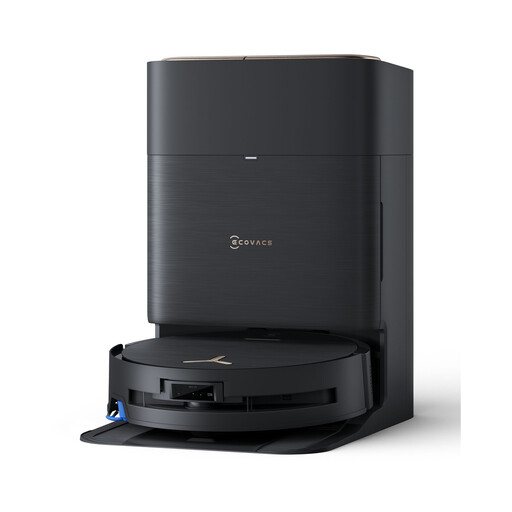
Why this product suits this profile: The OMNI station handles dust emptying, mop washing and drying. According to the product specifications, this model offers 16,600 Pa, an OZMO roller mop, 3D obstacle detection and a runtime of up to 200 minutes.
Automatic mop lifting keeps wet cleaning separate from carpet cleaning. The station reduces direct contact with dust and used mop pads.
A roller mop that cleans itself continuously, plus hot-water washing and hot-air drying at the station.
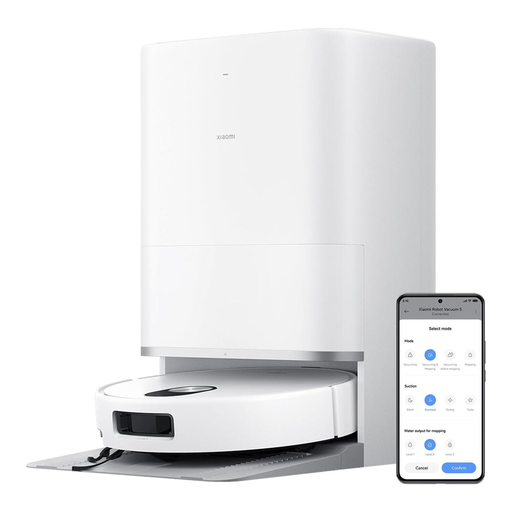
Why this product suits this profile: This model is designed for homes with hard floors and carpets. Specifications include 20,000 Pa, LiDAR navigation, automatic mop lifting by 15 mm and an all-in-one station.
The stated 15 mm mop lift helps keep carpets dry while mopping. Anti-tangle brushes can reduce the effort needed to remove hair.
App, voice and button controls, plus a stated dust bag capacity of 2.5 litres.
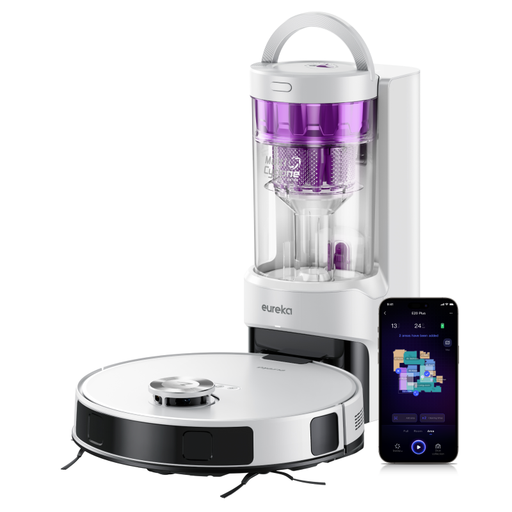
Why this product suits this profile: This robot vacuum cleaner combines 10,000 Pa, LiDAR navigation, 3D obstacle detection and a bagless dock. According to the product specifications, the mop lifts by 10 mm when carpet is detected.
The mop lift helps reduce the risk of damp carpets. DuoDetect 3D obstacle detection supports navigation across changing floor conditions.
Bagless 2-litre dock, up to 180 minutes of runtime, and app and voice control.
We’ve put together a complete, regularly updated list of products that meet these strict selection criteria and fully comply with the safety regulations in force in the EU.
Children and pets should be supervised while the device is running. Liquids, burning objects and sharp-edged items should not be put into the robot vacuum cleaner.
It depends on the size of your home, how much dust there is and whether you have pets. Brushes and filters should be checked regularly. Mop pads usually need attention after every more intensive clean. An auto-empty or cleaning dock reduces some of the work, but does not replace basic cleaning.
Many models are designed for both types of flooring. Carpet detection, automatic suction boost and mop lifting are key features to look for. For deep-pile carpets, check the maximum obstacle height and the manufacturer’s recommendations.
As well as electricity, you’ll need to allow for filters, brushes, mop pads, cleaning solution and, where applicable, dust bags. Bagless docks can reduce the need for disposable bags. Before buying, it’s worth checking the availability and prices of replacement parts.