
Lieferung heute & morgen

Qualitätsgarantie

Willkommens-Angebote freischalten: KOSTENLOSE Lieferung | Bis zu 80 % RABATT | Kostenlose 30-Tage-JoyPlus-Testphase
App herunterladen
A robot vacuum cleaner with a mopping function can make everyday floor care much easier. The key is choosing a robot, docking station and cleaning features that suit your household. Before buying, families, pet owners and busy professionals should look beyond a high Pa rating or a sleek app design.
Figures such as 8,000, 16,200 or 25,000 Pa refer to the maximum suction power stated by the manufacturer. On their own, they don’t show how well a robot vacuum cleaner handles carpets, edges or pet hair. Brush design, airflow, carpet detection and adjustable suction settings are just as important.
A robot vacuum cleaner for pet hair should also have an anti-tangle feature, an easily accessible main brush and filters that are straightforward to maintain.
A robot vacuum cleaner with an auto-empty station empties its dust container automatically. However, you’ll still need to check the filters, brushes, sensors, mop pads and clean and dirty water tanks regularly. Stations that use bags also involve the ongoing cost of replacement bags. Bagless systems save on consumables, but the dust container and filters need regular cleaning.
Basic models drag a damp cloth across the floor. More advanced systems lift the mops on carpets, wash them automatically, or use rotating or continuously rinsed mop rollers. Hot-water mop washing can automate the station’s cleaning process, but you’ll still need to maintain the tank, washboard and filters.
A robot vacuum cleaner with laser navigation uses LiDAR or similar sensors to map your home. Useful features include maps for multiple floors, room labelling, no-go zones and virtual walls. If you have cables, toys or pet accessories around the home, check the product details for specific information about obstacle detection.
Even with sensors, you should remove loose cables, small objects and fragile items before the first cleaning run. Not every model can reliably detect very small or low obstacles.
Check the height of the robot and your door thresholds. Low-profile models can reach under more furniture. Depending on the model, the stated climbing height may be around 1.7 to 2 cm. For carpets, automatic mop lifting, carpet detection and a separate vacuuming strategy are useful features.
If you have mostly hard floors, look at the mopping technology and tank capacity. In homes with lots of carpets, dry suction performance and reliable mop lifting are more important.
An all-in-one station can empty dust, refill water, wash mop pads and dry them with warm air. However, features vary considerably. Check the following:
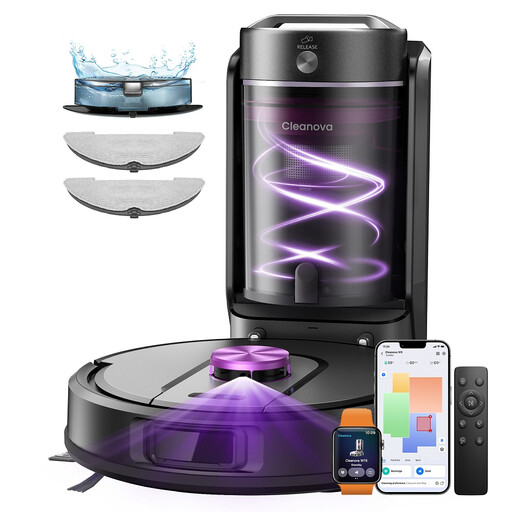
Why this product suits this type of household: This model combines vacuuming and mopping with LiDAR navigation, app control and a 4-litre bagless station. The stated runtime is up to 180 minutes.
The bagless station reduces the need for dust bags. Multiple maps and up to 15 no-go zones let you tailor the setup to your home.
10,000 Pa according to the manufacturer, three suction levels and support for hard floors and carpets.

Why this product suits this type of household: This robot vacuum and mop features laser navigation, automatic mop lifting on carpets and a station that empties dust, washes mops at 75 degrees Celsius and dries them with warm air.
The separate carpet setting keeps the mops raised when vacuuming carpets. The brush design is intended to reduce tangling.
25,000 Pa according to the manufacturer, up to 180 minutes of runtime and four adjustable suction levels.
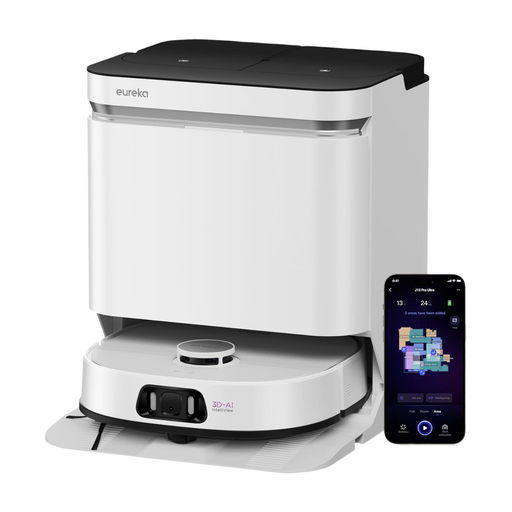
Why this product suits this type of household: For homes with pets and frequent cleaning cycles, the stated anti-tangle technology, liquid detection and automated station are useful features.
The brush system is designed to reduce hair tangles. According to the product description, the station handles dust emptying, mop washing and drying.
16,200 Pa according to the manufacturer, washing at 75 degrees Celsius and a station with a self-cleaning function.
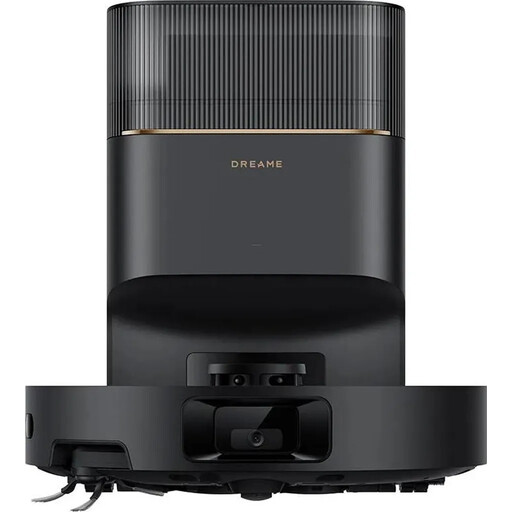
Why this product suits this type of household: The 5-litre dust bag, stated runtime of up to 285 minutes in combined mode and 3D obstacle detection make it well suited to larger homes.
The combination of 3D structured light and Pathfinder navigation is designed to handle common obstacles such as furniture and cables. Automatic carpet detection adjusts the suction and mopping settings.
13,000 Pa according to the manufacturer, a 5-litre dust bag and app settings for adjusting suction and water levels by room.
We’ve put together a comprehensive, regularly updated list of products that meet these strict selection criteria and comply fully with the safety regulations in force in the EU.
Place the station on a level, hard surface and leave the clearance recommended by the manufacturer. Remove any protective film, fully charge the robot and then start the mapping process. Before its first automatic run, set up no-go zones for carpets, areas with cables or delicate spots.
Its lifespan depends on how often you use it, how well you maintain it and whether spare parts are available. Brushes, filters and mop pads are wear parts. Regularly cleaning the sensors, emptying the water tanks and using suitable cleaning products can help keep the robot in good condition. Check the warranty period and availability of spare parts before you buy.
As well as electricity, you may need to pay for dust bags, filters, brushes, mop pads and approved cleaning solution. Bagless stations reduce the need for dust bags, but require more manual cleaning. A station with hot-water washing will also use water and, where applicable, cleaning solution.