
Lieferung heute & morgen

Qualitätsgarantie

Willkommens-Angebote freischalten: KOSTENLOSE Lieferung | Bis zu 80 % RABATT | Kostenlose 30-Tage-JoyPlus-Testphase
App herunterladen
A robot vacuum cleaner with a mopping function can pick up dust, pet hair and everyday dirt automatically. However, models vary considerably when it comes to navigation, maintenance, carpet detection and how much they can really do on their own. A high Pa rating alone is therefore not enough to help you choose the right option for your home.
Figures such as 8,000, 10,000 or 18,000 Pa describe the maximum suction pressure. On their own, they don’t tell you how effectively a robot will pick up hair, crumbs or dust. Other important factors include the shape of the main brush, airflow, brush width and how systematically it can clean carpets.
A robot vacuum cleaner with high suction power can pick up plenty of particles from hard floors. For pet hair, however, an anti-tangle system is just as important. Otherwise, hair can collect around the brush, affecting cleaning performance and how often you need to carry out maintenance.
Many devices simply drag a damp cloth across the floor. This is mainly suitable for light dust and fresh marks, but it won’t necessarily replace a thorough manual clean. So check the following:
An automatic mop lift is especially useful in homes with both carpets and hard floors. According to the product details, the Narwal Freo X10 Pro lifts its mop by 10 mm when it detects a carpet. The Roborock Q10 S5 is also available with an automatic mop-lifting function.
A robot vacuum cleaner with an auto-empty station means you don’t have to empty the dust container as often. However, depending on the model, you may still need to top up the water, clean the mops, maintain the filters and check the brushes. Bagless stations save you from buying replacement bags, but you’ll need to empty the dust container directly.
Also consider how much space the station needs, whether it can be placed near a socket and whether there’s enough clear space in front of it. In smaller homes, the station could otherwise get in the way.
A robot vacuum cleaner with laser navigation uses LiDAR or LDS sensors to map rooms and plan systematic cleaning routes. This is useful if you have several rooms or long hallways, or want to set regular cleaning schedules. Simpler devices with random navigation may take longer and go over the same areas more than once.
Other features may include structured-light, infrared or PSD sensors. These help the robot detect furniture, cables, stairs and small objects. Even so, you should remove loose cables, toys and breakable items from the floor before starting a cleaning cycle.
When choosing a robot vacuum cleaner for carpets and hard floors, look out for three things:
The robot’s height also matters. Low furniture can limit how much floor it can reach. For example, the Lefant M310 Ultra is listed as measuring 28 × 7,9 × 28 cm.
The battery life should suit the size of your home. The Lefant N1 is listed with up to 165 minutes of battery life and a 560-ml dust container. According to its product description, the EUREKA E20 Plus has a 2-litre container in the station and a stated runtime of 180 minutes. These figures depend on the cleaning mode, floor type and layout of your home.
App controls let you set schedules, no-go zones, virtual walls and different settings for each room. Before buying, check that the model supports your Wi-Fi network and whether it offers voice control via Alexa or Google Assistant. The Lefant M310 Ultra is listed as supporting 2.4 and 5 GHz Wi-Fi, as well as app and Alexa controls.
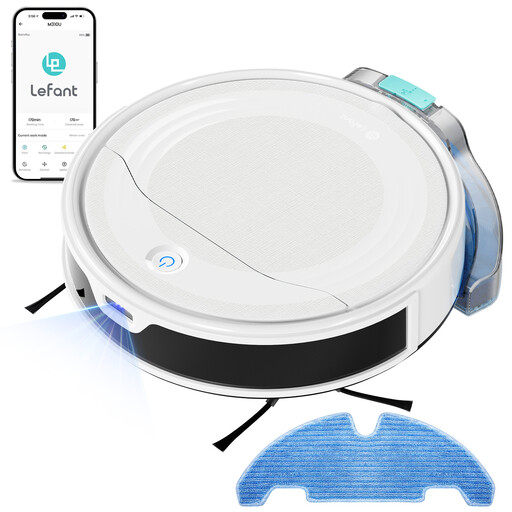
Why this product suits this type of home: This compact model combines a stated suction power of 6,000 Pa with a mopping function, app controls and Alexa compatibility. It’s suited to small and medium-sized homes with hard floors and a few rugs.
Its stated ToF laser navigation and PSD obstacle detection go beyond basic random navigation. The 200-ml water tank is also a reminder that you’ll need to top up the water regularly when using the mopping function.
Compact height of 7,9 cm, stated battery life of 170 minutes, plus a 500-ml dust container and HEPA filter.
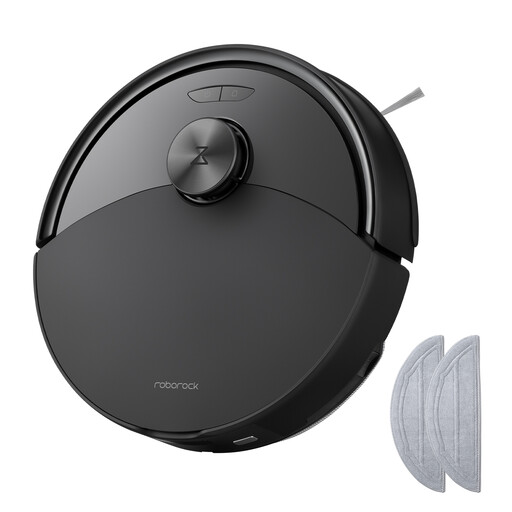
Why this product suits this type of home: This model is designed for homes with a mix of carpets and hard floors, and regular pet hair to deal with. It’s listed with 10,000 Pa HyperForce suction, a mopping function and a dual anti-tangle system.
The automatic mop lift helps prevent carpets from getting wet. The app also lets you create room maps and cleaning schedules, set no-go zones, and adjust suction and mopping intensity.
Stated suction power of 10,000 Pa, automatic mop lift and two anti-tangle systems for the main and side brushes.
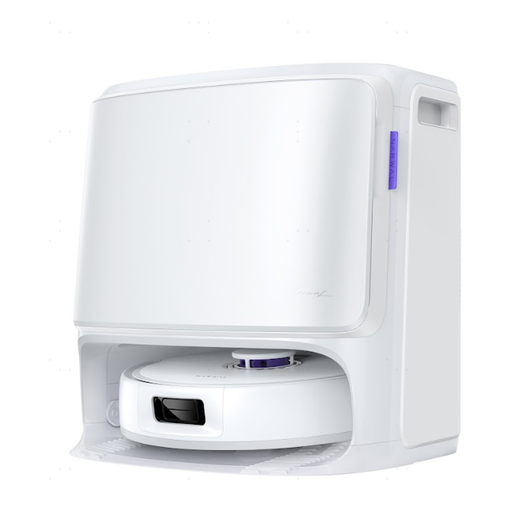
Why this product suits this type of home: For larger homes and frequent use, the product details list 11,000 Pa suction, up to 220 minutes of runtime and a station that washes and dries the mop, as well as collecting dust.
The combination of LDS laser navigation, structured obstacle detection and automatic carpet detection reduces the need for manual intervention. According to the manufacturer, the brushes are designed to reduce hair tangles.
2.5-litre dust bag, stated 10-mm mop lift and a combined station with washing, drying and auto-empty functions.
We’ve put together a complete, regularly updated list of products that meet these strict selection criteria and fully comply with the safety regulations in force in the EU.
Ongoing costs include electricity, filters, side and main brushes, mop cloths and, where applicable, dust bags. A bagless station saves you from buying replacement bags, while models with 2.5- or 3.5-litre dust bags may need emptying less often.
To keep cleaning performance consistent:
Yes, provided the main and side brushes are designed to handle hair and are maintained regularly. For homes with a dog or cat, systematic navigation, multiple suction levels and an anti-tangle system are particularly useful. How much hair the robot actually picks up also depends on the amount of shedding, carpet pile and how often you clean.
Its lifespan depends on the battery, brushes, filters, dust levels and maintenance. Regularly cleaning the sensors and brushes can help reduce unnecessary wear. If the runtime starts to drop, the battery is often the part that needs attention, so check the availability of spare parts and the warranty before buying.
The robot usually only charges during or after a cleaning cycle. The auto-empty station also uses energy when emptying the dust container and, if available, when washing or drying the mop. Actual consumption depends on how often you clean, the size of your home, the suction setting and the station’s features.