
Lieferung heute & morgen

Qualitätsgarantie

Willkommens-Angebote freischalten: KOSTENLOSE Lieferung | Bis zu 80 % RABATT | Kostenlose 30-Tage-JoyPlus-Testphase
App herunterladen
A robot vacuum cleaner with a mopping function should pick up dust, crumbs and pet hair, then mop hard floors. In practice, however, how well it works day to day depends on more than a high Pascal rating. Navigation, brush design, mop management and the amount of maintenance required all matter.
Figures such as 10,000, 16,200 or 25,000 Pa describe the maximum suction pressure under specific conditions. On their own, they say little about how well a robot vacuum cleaner lifts hair from carpet fibres or how reliably it cleans along edges. Brush shape, airflow, carpet detection and automatic power adjustment are also important.
A robot vacuum cleaner with an auto-empty station can empty its dust container automatically. Depending on the model, you may still need to check the water tank, dirty-water tank, filters, brushes and mop pads regularly. Stations that wash the mop also have a wash tray and drying channels to maintain.
A basic mop attachment can dampen carpets if the robot does not have reliable mop lifting or no-go zones. For homes with both carpets and hard floors, carpet detection, adjustable no-go zones and automatic mop lifting are therefore important features.
A robot vacuum cleaner with laser navigation uses LiDAR or LDS to create a map of your home. This helps it follow systematic routes, divide rooms and clean specific areas. Obstacle detection is also useful for avoiding cables, toys, slippers and pet bowls. Even so, prepare the floor before the first run: remove loose cables, sharp objects and delicate decorations from the robot’s path.
Also look for:
For a robot vacuum cleaner for pet hair, an anti-tangle design matters more than a single peak suction figure. Rotating main brushes can pick up long hair, but they can also get tangled. Systems such as ZeroTangle and specially designed detangling brushes aim to reduce the maintenance involved. Regular checks are still necessary.
Suction power should suit your home:
A station with automatic dust emptying means less manual emptying. Models with automatic self-cleaning, mop washing and warm-air drying reduce the need to handle damp pads. However, the features vary considerably between models.
Examples from the product details:
Hot water and hot air mean you’ll need a suitable place for the station. It should stand on a level surface, with enough clearance from furniture, and be kept out of easy reach of children and pets. Follow the manufacturer’s stated space requirements for the model.
The selection below groups devices by their stated features and typical uses. Details of functions and performance are taken from the respective product descriptions.
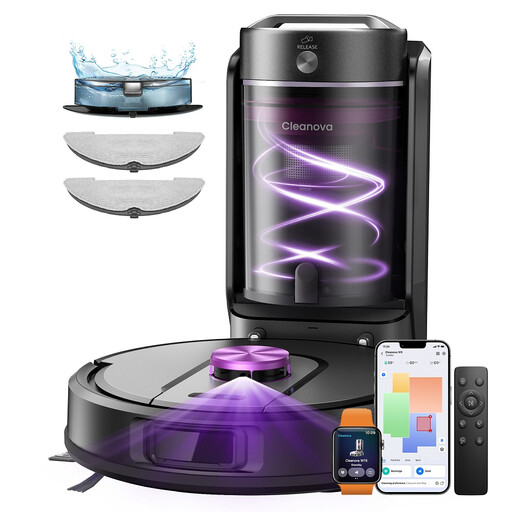
Why it suits this type of home: The W15 combines vacuuming and mopping with 10,000 Pa, LiDAR navigation, app control and a bagless 4-litre station.
The bagless station avoids ongoing dust-bag costs. Three suction levels and three water settings let you adjust cleaning for hard floors and carpets.
Up to 180 minutes’ runtime, support for up to five maps, and app, voice and remote control.
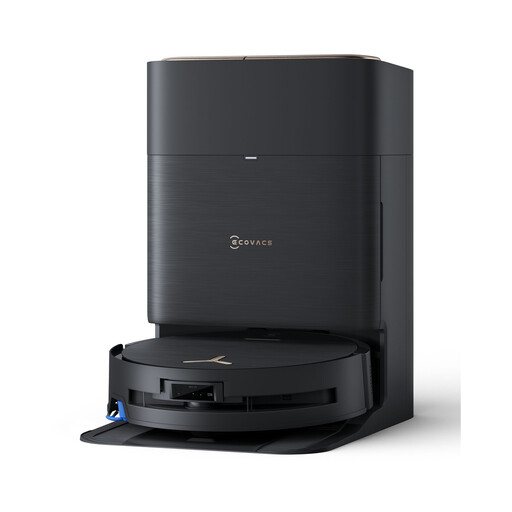
Why it suits this type of home: This model combines OZMO roller mopping technology with AIVI 3D navigation, app and voice control, and automated station maintenance.
According to the product description, the Triple-Lift system keeps dry and wet cleaning separate. The station washes the mop with temperature control and dries it with warm air.
Up to 200 minutes’ runtime, stated suction power of 16,600 Pa and hot-water washing between 40 and 75 °C.
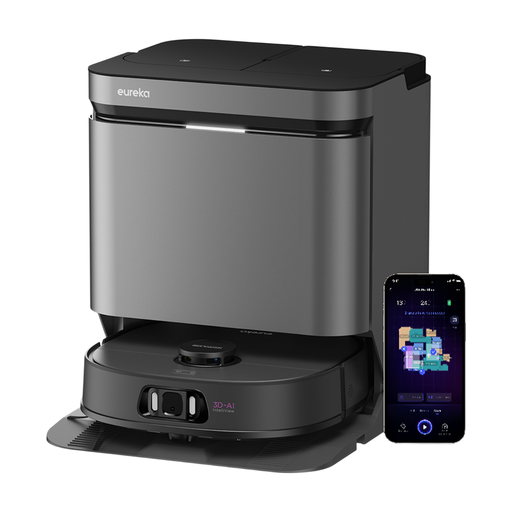
Why it suits this type of home: For homes with pet hair and frequent cleaning cycles, this model offers stated anti-tangle technology and an automated cleaning station.
According to the manufacturer, the brush design is intended to reduce hair tangles. The 75 °C mop wash helps keep damp pads clean.
Stated suction power of 16,200 Pa, liquid detection, brush lifting, and automatic mop washing and drying.

Why it suits this type of home: The combination of laser navigation, 180 minutes’ runtime, mop lifting and an OMNI station suits homes with several types of flooring.
Automatic mop lifting on carpets reduces the risk of dampening textile flooring. Four suction levels let you adjust cleaning for different floor types.
Stated suction power of 25,000 Pa, 75 °C mop washing, 45 °C hot-air drying and automatic dust emptying.
We’ve put together a complete, regularly updated list of products that meet these strict selection criteria and the safety requirements in force in the EU.
Before the first clean, place the station on a hard, level surface. Check the side and front clearance specified in the instructions. Only fill the designated water tank, and use approved cleaning products only. Large amounts of liquid, hot ash, sharp objects and flammable liquids must not be put into the robot.
For use in the EU, the product should come with clear instructions, manufacturer details, a responsible point of contact and the required conformity information. Disconnect the station from the mains before carrying out maintenance. Do not cover or damage the laser or motion sensors.
It depends on how often you use it, how much pet hair there is and the type of station. Check the dust container, brushes and filters regularly. Mop pads and the dirty-water tank often need more frequent attention, while a station with a drying function can reduce the work involved.
Yes, provided the model supports suitable carpet detection, mop lifting or no-go zones. If you have delicate carpets, check the water settings and, if necessary, exclude carpeted areas in the app.
As well as electricity, you may need to pay for dust bags, filters, mop pads, brushes and cleaning products. Bagless stations reduce the need for dust bags. Before you buy, it’s worth checking the availability and prices of the manufacturer’s replacement parts.