
Lieferung heute & morgen

Qualitätsgarantie

Willkommens-Angebote freischalten: KOSTENLOSE Lieferung | Bis zu 80 % RABATT | Kostenlose 30-Tage-JoyPlus-Testphase
App herunterladen
A robot vacuum and mop can make everyday floor care much easier. However, not every model automatically means less work. Small water tanks, awkwardly designed stations or poor obstacle detection can limit day-to-day convenience. Households with children, pets, carpets and large floor areas should pay particular attention to the technical specifications, rather than relying on high Pa ratings or bold marketing claims.
Suction power is often measured in pascals. A high figure can indicate a powerful motor, but it doesn’t tell you on its own how well a robot actually cleans. Brush design, airflow, filters, carpet detection and the ability to pick up hair all play a part. A robot vacuum for pet hair should also have anti-tangle technology or a main brush that’s easy to remove.
Depending on the model, a self-cleaning robot vacuum may wash and dry the mops, empty the dust container or refill the water. Consumables such as dust bags, filters and mop pads still need checking and replacing when necessary. Dirty water tanks and cleaning trays also require regular care.
Even a robot vacuum with obstacle detection may miss thin cables, small objects or shiny items in certain conditions. Before its first run, clear cables, toys, sharp objects and delicate decorations from the floor. This reduces the risk of blockages and damage.
A robot vacuum with laser navigation will generally create a systematic map and let you manage rooms, no-go zones and cleaning schedules. Other models use DToF, camera or structured-light systems. What matters is whether the app supports multiple maps, room-by-room cleaning and virtual boundaries.
Obstacle detection is also important in homes with furniture, pets and frequently changing obstacles. Features described as ‘3D detection’ or ‘AI navigation’ should be backed up by practical capabilities, such as detecting cables, carpets, door thresholds and small objects.
When choosing a robot vacuum and mop, check whether the mop lifts automatically on carpets. The lift height matters, as you won’t want carpets to get damp. Rotating mops, roller systems and pressure-based systems also differ in design and maintenance requirements.
For a robot vacuum for carpets and hard floors, the following specifications are particularly useful:
A robot vacuum with an auto-empty station means you won’t have to empty the dust container by hand as often. Stations that also refill the clean water tank, collect dirty water and dry the mops are even more convenient. Models with hot-water mop washing often quote temperatures such as 75 °C. This refers to the mop-washing process; it isn’t a general hygiene or health claim.
Before ordering, check how much space the station needs. It requires a level surface, clearance from the wall and an open area in front. You should also check whether you’ll need to buy dust bags, cleaning solution or specific mop pads.
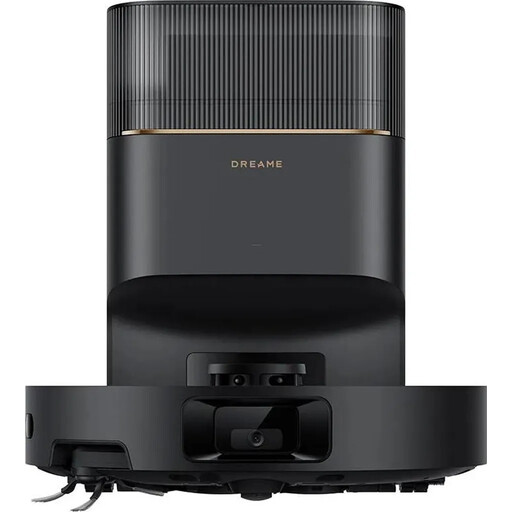
Why it suits this profile: This robot vacuum and mop combines 13.000 Pa suction power with a 5-litre dust bag. It’s a good fit for households that don’t want to empty the dust container every day.
The specifications include automatic dust emptying, carpet detection and an anti-tangle DuoBrush, rather than focusing solely on the Pa rating.
5-litre dust bag, up to 260 minutes of runtime in vacuum mode and 3D structured light for obstacle detection.

Why it suits this profile: The combination of laser navigation, an OMNI station and automatic mop lifting is designed for households with different types of flooring and high expectations.
Its features go beyond suction power, with ZeroTangle 3.0, TrueDetect 3D and 75 °C mop washing.
25.000 Pa, 4-litre water tanks, up to 180 minutes of runtime and automatic mop washing with hot-air drying.
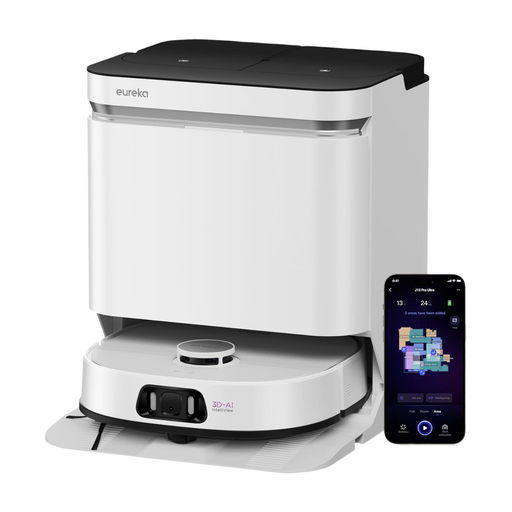
Why it suits this profile: For pet hair, frequent mopping and heavily used floors, this model offers several features to automate cleaning and maintenance.
Alongside 16.200 Pa suction power, the specifications include FlexiRazor technology to prevent hair tangles, as well as liquid detection and brush lifting.
75 °C mop washing, 55 °C warm-air drying, automatic dust emptying and a stated runtime of up to three hours.
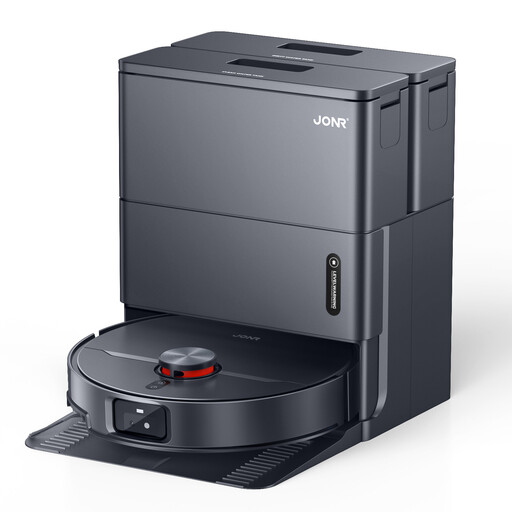
Why it suits this profile: With two extendable arms, hot-water washing and warm-air drying, this model is designed for households that need to clean regularly.
The product specifications list specific station features and dimensions, rather than making vague claims about complete automation.
20 kPa suction power, 2.5-litre dust bag, 75 °C hot-water washing and 45 °C hot-air drying.
We’ve put together a complete, regularly updated list of products that meet these strict selection criteria and fully comply with the safety regulations in force in the EU.
It depends on the station and how often you use the robot. Brushes, filters and sensors should be checked regularly. For models with an auto-empty and washing station, you’ll also need to keep an eye on dust bags, clean water and dirty water. Automatic features reduce the workload, but don’t eliminate maintenance altogether.
Yes, as long as the model is designed for carpets. Look for carpet detection, automatic suction boost and mop lifting. If you have deep-pile carpets or high door thresholds, check the specifications for maximum threshold clearance and the robot’s height particularly carefully.
As well as electricity, you may need to budget for dust bags, filters, mop pads, brushes and approved cleaning solutions. Before you buy, check that replacement parts are available and look at the recommended replacement intervals. This will help you decide whether an automatic station is worth the higher upfront cost in the long run.