
Lieferung heute & morgen

Qualitätsgarantie

Willkommens-Angebote freischalten: KOSTENLOSE Lieferung | Bis zu 80 % RABATT | Kostenlose 30-Tage-JoyPlus-Testphase
App herunterladen
A robot vacuum cleaner with a mopping function can make everyday floor care much easier. However, models vary considerably when it comes to navigation, carpet detection, maintenance and docking stations. A high Pa rating alone tells you little about how reliably a robot covers your rooms or how much work is left after it has finished cleaning.
For households in the UK, three questions are particularly important: Is the model suitable for your flooring? How much maintenance does the station take care of? And can you configure maps, no-go zones and cleaning times to suit your needs?
Figures such as “10,000 Pa” or “25,000 Pa” describe a technical measurement of suction power. They don’t automatically guarantee an even clean. Brush design, airflow, filters, cleaning patterns and how the robot adapts to carpets all affect the results.
So don’t choose a robot vacuum cleaner with high suction power based on its Pa rating alone. Also check whether the manufacturer provides details about carpet modes, brush design and filtration.
A robot vacuum cleaner with a self-emptying station automatically empties its dust container, depending on the model. You’ll still need to check the water tanks, mop roller, filters, brushes and sensors regularly. Even a robot vacuum cleaner with automatic dust emptying needs replacement consumables or occasional station cleaning.
So check the capacity of the dust and water tanks, the availability of spare parts and the station’s design.
A robot vacuum cleaner with laser navigation can map rooms and plan systematic cleaning routes. However, loose cables, small objects, pet toys and low obstacles can still interrupt cleaning. Good navigation doesn’t remove the need to prepare your floors.
Useful app features include no-go zones, room mapping and support for multiple maps. If you have more than one floor, check whether the model actually supports this feature.
If you have a dog or cat, a robot vacuum cleaner for pet hair needs a main brush that minimises tangles. Hair often collects around the ends of brushes, side brushes and wheels. Anti-hair technology can reduce the effort involved, but it won’t eliminate the need for occasional manual cleaning.
Suction power should suit your floors:
A basic mop attachment spreads water across a cloth. This may be enough for light dirt on smooth floors, but it won’t always replace a thorough manual clean. Models with an active mop roller, automatic cleaning or adjustable water flow offer more convenience.
For homes with hard floors and carpets, a liftable mop module is useful. Otherwise, the robot could dampen your carpet. Also check whether the robot is designed to pick up liquids or only to mop with a damp pad.
A more advanced station can empty dust, refill water, clean mop components and dry them. This means fewer hands-on tasks, but it takes up more space. Before you buy, measure the available floor space, the clearance from the wall and how easy it will be to access the tanks.
App control is useful if you want to clean rooms individually, set schedules or create no-go zones. When setting up the robot, check your Wi-Fi frequency band too: some models only connect to 2.4 GHz Wi-Fi.
The models below have been matched to different needs based on the product information provided. Manufacturer claims about suction power, run time and maintenance intervals should be treated as product specifications, as performance can vary depending on how the robot is used.
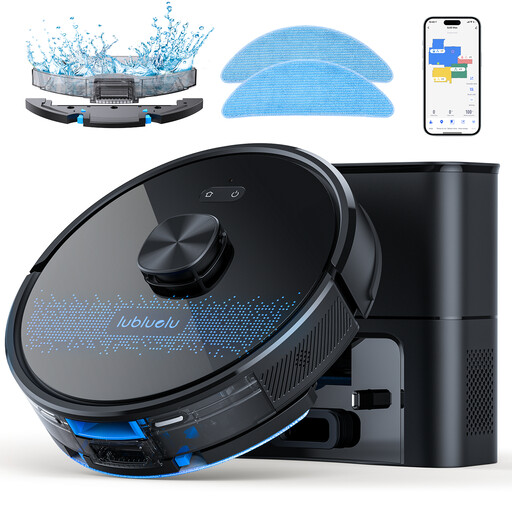
Why this product suits these needs: This model combines vacuuming, mopping and a dust-collection station with laser navigation and app control. It’s well suited to small and medium-sized homes with hard floors, carpets and regular cleaning needs.
The choice isn’t based on suction power alone: laser navigation, app connectivity and guidance on regular brush and sensor maintenance are also taken into account.
3-in-1 functionality, 4,000 Pa according to the product specifications, laser navigation and app control.
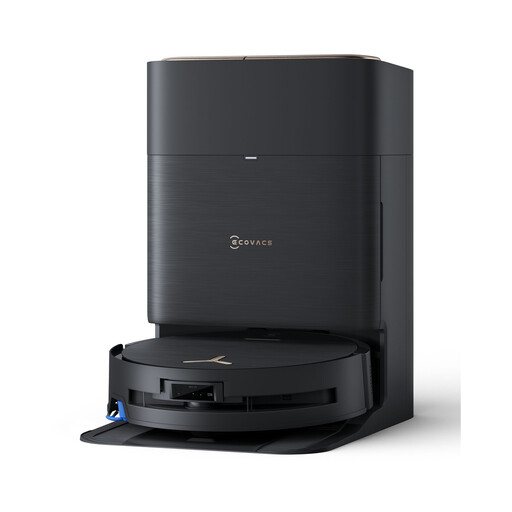
Why this product suits these needs: The OMNI station takes care of several maintenance tasks. It’s a good option for larger households that vacuum and mop frequently and want app or voice control.
Alongside 16,600 Pa according to the product specifications, the selection also takes into account carpet adjustment, mop roller care, dust emptying and obstacle detection.
OZMO mop roller, automatic dust emptying, hot-water washing and hot-air drying according to the product description.
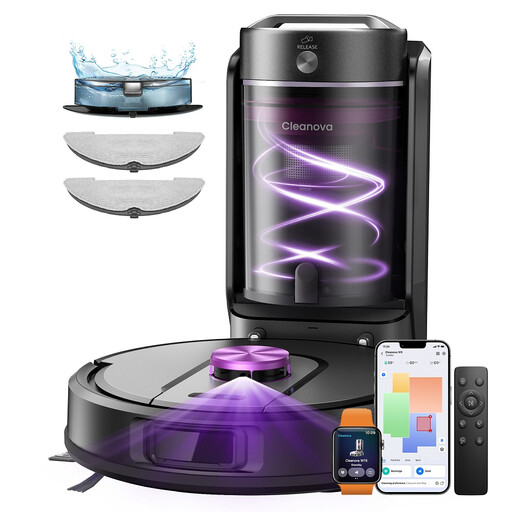
Why this product suits these needs: The W15 is designed for users who need multiple maps, no-go zones and different control options. Its bagless self-emptying station is a good choice for households looking to avoid dust bags.
Alongside 10,000 Pa according to the product specifications, it offers 5 maps, up to 15 no-go zones and a 4-litre dust container. These features make cleaning easier to plan, but don’t replace filter maintenance.
Bagless station, LiDAR navigation, up to 180 minutes’ run time according to the product specifications, plus app, voice and remote control.
We’ve put together a complete, regularly updated list of products that meet these strict selection criteria and fully comply with the safety regulations in force in the EU.
Place the station on a level surface, leaving enough space around it and away from walls and furniture. Clear cables and small objects from the floor, fully charge the robot and connect it to the recommended app. It should then complete an initial mapping run. Follow the manufacturer’s instructions for water and cleaning products.
Its lifespan depends on how often it’s used, as well as the battery, brushes, filters and availability of spare parts. Regularly removing hair, cleaning the sensors and replacing worn parts when needed can help keep it working well. It’s not possible to give a lifespan that applies to every model.
As well as electricity, you may need to budget for filters, side brushes, main brushes, mop pads, dust bags or cleaning solution. A bagless station removes the need to buy dust bags regularly, but stations with water tanks still need to be cleaned and maintained. Before buying, check the prices and availability of compatible spare parts.