
Lieferung heute & morgen

Qualitätsgarantie

Willkommens-Angebote freischalten: KOSTENLOSE Lieferung | Bis zu 80 % RABATT | Kostenlose 30-Tage-JoyPlus-Testphase
App herunterladen
The automation of floor cleaning has made significant strides in recent years. Modern robot vacuums with mopping functions and fully automatic cleaning stations aim to reduce manual effort to an absolute minimum. For demanding households, especially those with pets, children, or complex floor plans, selecting the right device is crucial. This article provides an overview of important purchasing criteria and presents a selection of current models to help you make an informed decision.
The technological differences between models are often found in the details. Three core areas are particularly relevant for performance and convenience.
A modern cleaning station, often called an all-in-one station, does much more than just charge the robot. Key features that determine the level of automation include:
A robot vacuum and mop with self-cleaning should ideally combine all these functions to enable nearly maintenance-free floor care.
A robot's ability to navigate your home efficiently and safely is fundamental. Advanced models combine several technologies:
The actual cleaning performance depends on the combination of vacuuming and mopping.
Based on the criteria mentioned, we have compiled a selection of devices that focus on different technological strengths.
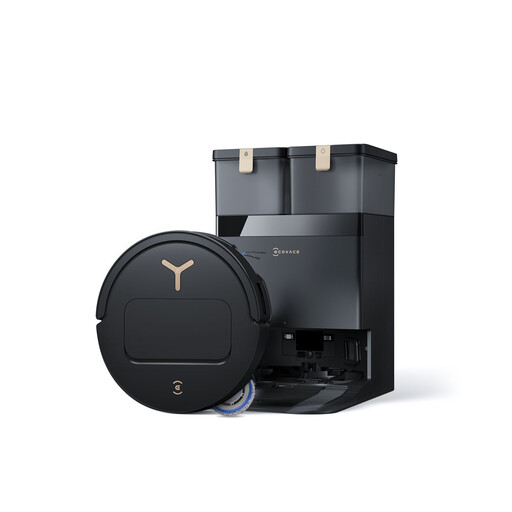
Why This Model Stands Out: The DEEBOT T50 PRO OMNI combines what the manufacturer claims is very high suction power with advanced edge cleaning. The TruEdge 2.0 technology allows the mop to extend adaptively to reach right up to the edges. The all-in-one OMNI Station handles all maintenance, including hot water mop washing.
Pros:
Who is it for? This model is an option for users who place the highest value on thorough cleaning right into the corners and high suction power for carpets and pet hair.
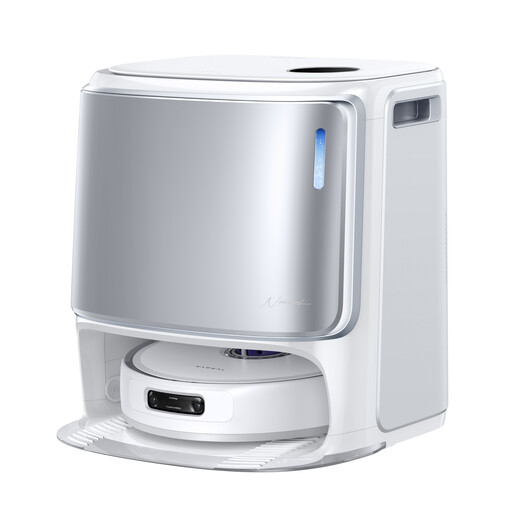
Why This Model Stands Out: The NARWAL Freo Z10 Ultra focuses on deep cleaning edges and corners with 8N of downward pressure. The station separates dry dust from dirty water, which can improve hygiene. Obstacle avoidance is supported by dual RGB cameras and AI chips.
Pros:
Who is it for? Users looking for particularly intensive mopping performance along edges and in corners, and who value a well-designed hygiene concept for the station, might consider this model.
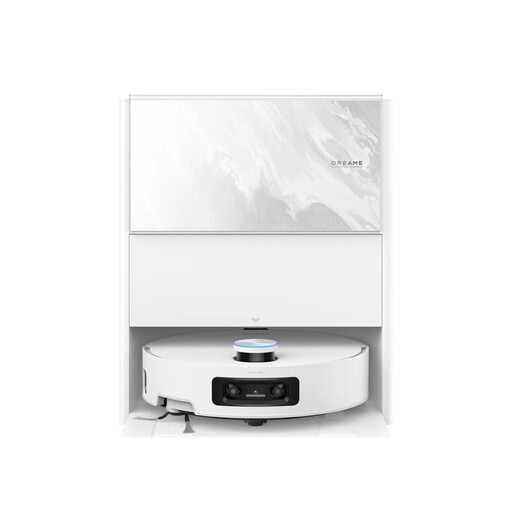
Why This Model Stands Out: The Dreame Aqua10 Ultra is distinguished by its extendable chassis, which, according to the manufacturer, allows it to overcome obstacles up to 6 cm high. The ThermoHub Station cleans the mop with 100°C hot water. Navigation is handled by two AI cameras and a 3D structured light sensor.
Pros:
Who is it for? This device is aimed at tech-savvy users with complex living environments that have high door sills or carpet edges, and who desire maximum automation from a particularly powerful cleaning station.
If the models presented do not exactly meet your requirements, or if you are looking for devices with a different set of features, you can find a broader selection in our comprehensive Vacuum & Mop Combos category. There, you can filter and compare various models based on specific characteristics.
1. How high should the suction power be for a robot vacuum for pet hair? High suction power, often defined as values over 8,000 Pa, is advantageous for picking up pet hair, especially from carpets. However, the design of the main brush is at least as important. Models with rubber finned brushes are less prone to getting tangled with long hair, which simplifies maintenance. The combination of high suction power and an anti-tangle brush is a good guideline for households with pets.
2. What is Hot Water Mop Washing and what is its advantage? With Hot Water Mop Washing, the cleaning station heats the water before using it to clean the robot's mopping pads. Temperatures can range from 50°C to 100°C, depending on the model. The advantage of hot water is its ability to dissolve greasy and stubborn dirt more effectively than cold water. This can lead to a more hygienic cleaning of the mops and, consequently, better mopping results on the floor.
3. How well does edge cleaning work on modern robot vacuum and mop combos? Edge cleaning has long been a weak point for round robot vacuums. Newer technologies specifically address this problem. These include extendable mops that move out from the side of the device to wipe directly along baseboards, or D-shaped robots that are inherently better at getting into corners. Specially designed side brushes that sweep dirt from the edges into the path of the main brush also contribute to a better result.