
Lieferung heute & morgen

Qualitätsgarantie

Willkommens-Angebote freischalten: KOSTENLOSE Lieferung | Bis zu 80 % RABATT | Kostenlose 30-Tage-JoyPlus-Testphase
App herunterladen
The idea is appealing: a single device that vacuums and mops on its own, freeing up your time for more important things. But the market for robot vacuum and mop combos is filled with marketing promises that often fall short in practice. Many devices turn out to be expensive purchases that require more manual follow-up than expected. As your Joybuy Product Recommendation Officer, I'll help you identify the crucial features and steer clear of common purchasing traps.
Before you invest, you should be aware of the most common shortcomings that often only become apparent after the purchase, severely limiting the device's usefulness.
To make an informed decision, focus on verifiable technical specifications that directly impact the level of automation and cleaning quality.
The robot's ability to move through your home autonomously and without collisions is fundamental.
The station is the core of a modern system. A simple robot vacuum with an auto-empty dock is just the starting point today. Look for the following features that drastically reduce maintenance:
An effective brush system is essential for pet-owning households. A good robot vacuum for pet hair is distinguished by the following features:
Instead of a one-size-fits-all recommendation, we have selected models that meet specific needs and are designed to avoid the pitfalls mentioned earlier.
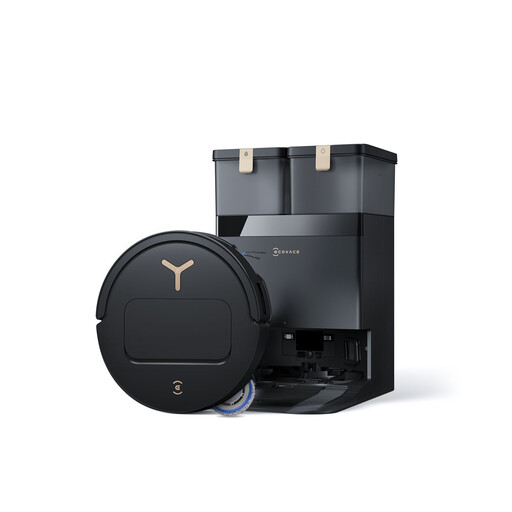
Why It's a Match: For users seeking maximum automation and minimal maintenance. The OMNI station handles nearly every task, from hot water mop washing to dust emptying.
The TruEdge 2.0 Adaptive Edge Mopping technology specifically addresses the problem of edge cleaning by actively extending the mop to reach borders. The rotating OZMO Turbo 2.0 mops provide real scrubbing pressure instead of just dragging a damp cloth.
The combination of 25,000 Pa suction power, hot water mop washing, and AI-powered obstacle avoidance (AIVI 3D 3.0) offers a comprehensive cleaning system for demanding households.
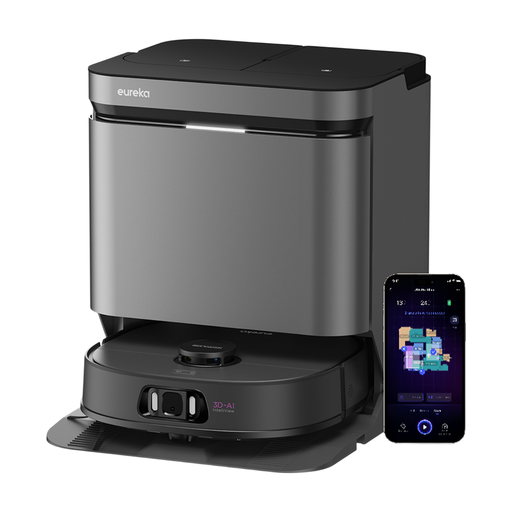
Why It's a Match: Engineered for the challenges of households with pets. The combination of powerful suction and a special anti-hair technology ensures reliable pet hair pickup.
The FlexiRazor Anti-Tangle Technology actively counters the problem of hair getting wrapped around the brush. The 75°C hot water cleaning of the mops in the station ensures hygiene, which is especially relevant in homes with pets.
The extendable mopping technology (ScrubExtend) improves edge cleaning, while the AI-powered dirt detection (IntelliView AI) adapts the cleaning strategy to the type of mess.
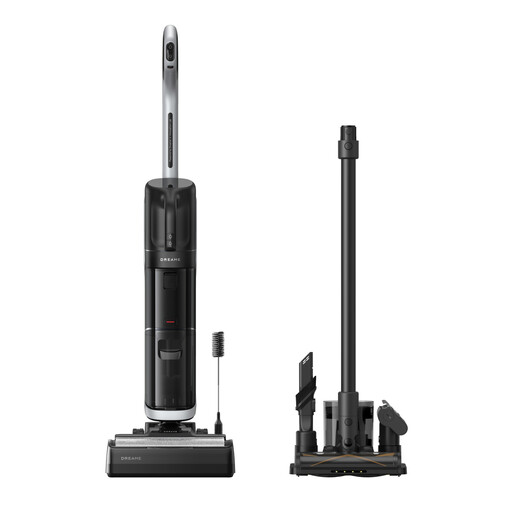
Why It's a Match: For users who prefer the power of a wet and dry vacuum with manual control. Ideal for tackling specific spills and deep cleaning targeted areas, without relying on the full automation of a robot.
This device is a **wet and dry vacuum**, not a robot. It bypasses the pitfall of inadequate mopping performance through an active brush roller and direct user control. The **180° lay-flat design** allows it to clean under furniture where many robots can't reach.
The brush's self-cleaning cycle with **60°C hot water** and subsequent hot air drying in the station ensure hygienic, low-maintenance use. The **18,000 Pa** suction power is impressive for a cordless wet and dry vacuum.
For a deep clean that goes beyond daily vacuuming and mopping, specialised devices are available. We've curated a selection of products designed for deep cleaning with hot water.
1. How often does the station of a robot vacuum and mop need to be maintained? This depends heavily on the model and usage. For fully automatic stations with dust collection, the dust bag typically only needs to be changed every 60-90 days. The fresh water tank needs to be refilled and the dirty water tank emptied, depending on the cleaning area and frequency. Modern stations remind the user via app or voice prompt.
2. Can a robot vacuum and mop also clean carpets? Yes, most modern models can. They feature carpet detection. When the robot moves onto a carpet, it automatically lifts its mop pads (Mop-Lifting) to avoid wetting the carpet and simultaneously increases suction power. Some models can also detach the mopping unit entirely at the station to perform vacuum-only runs.
3. What is the advantage of hot water mop cleaning? Hot water (often between 60°C and 75°C) dissolves greasy and dried-on dirt from the mop pads much more effectively than cold water. This leads to a more hygienic cleaning of the mops themselves and prevents dirt from being spread back onto the floor during the next cleaning run. In combination with hot air drying, it also minimises the growth of germs and odours in the damp mops.